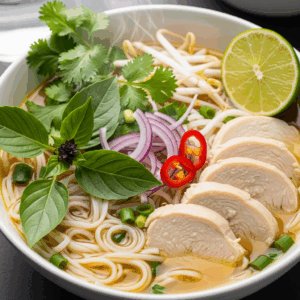
There’s something profoundly comforting about a steaming bowl of Vietnamese chicken pho-a harmonious dance of fragrant herbs, tender meat, and rich, aromatic broth that awakens the senses and warms the soul. Mastering this iconic dish at home is not just about following a recipe; it’s an invitation to explore a culinary tradition steeped in history, culture, and meticulous craftsmanship. In this guide, we will unravel the secrets behind perfecting every element of chicken pho, from simmering the nuanced broth to balancing fresh ingredients, empowering you to create an authentic and flavorful experience right in your own kitchen. Whether you’re a seasoned cook or a curious food lover, prepare to embark on a flavorful journey that transforms humble ingredients into a masterpiece of Vietnamese cuisine.
Choosing the Perfect Ingredients to Elevate Your Pho Experience
Mastering Vietnamese Chicken Pho is more than just following a recipe-it’s about selecting the right, fresh ingredients that bring your bowl to life. The magic truly begins with premium chicken bones and aromatic herbs that infuse the broth with a deep, authentic flavor reminiscent of bustling Hanoi street stalls. Opt for a whole free-range chicken or a mix of bones and meat to build a broth with rich taste and luscious texture.
Freshness is key: ginger, onions, and the essential star anise lend pho its unmistakable warmth and subtle sweetness. Choose organic whenever possible as these aromatics have a powerful impact on the broth’s clarity and depth. For the broth base, a splash of fish sauce will add the perfect savory umami boost without overpowering the delicate chicken flavor.
Unlocking the Secrets of Broth Brewing for Authentic Flavor
The soul of Vietnamese chicken pho lies in a meticulously brewed broth, a labor of love that reveals layers of complex, comforting flavors. Start by roasting ginger and onions until they develop a smoky char-this step unlocks the broth’s vibrant character. Simmering the chicken bones low and slow, for at least 3 hours, gently extracts collagen and essence, resulting in a silky, rich broth.
Skim impurities frequently for crystal-clear broth and add aromatics like cinnamon sticks, cloves, and carefully balanced star anise pods at the right time to avoid bitterness. This patience pays off with a broth that’s fragrant, nuanced, and infinitely satisfying.
Crafting the Ideal Noodle and Toppings Harmony
Equally crucial to the broth is the perfect harmony of soft, slippery rice noodles and vibrant fresh toppings. Choose flat rice noodles (banh pho) that are tender yet have a slight bite. Quickly blanch noodles in boiling water to maintain texture without becoming mushy.
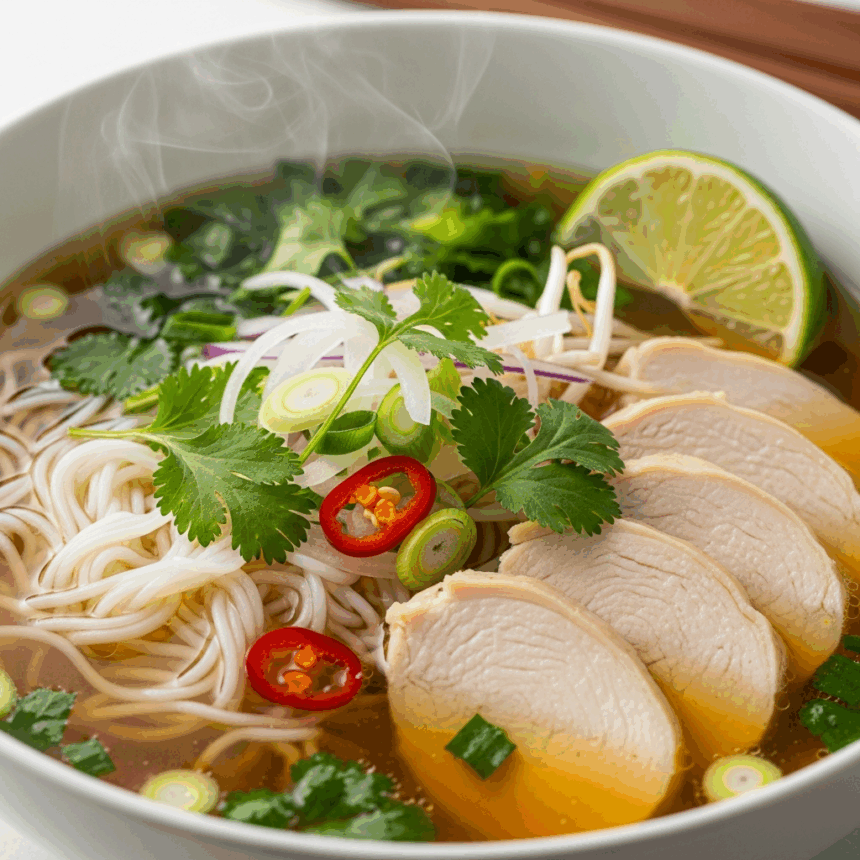
Top your pho with a symphony of fresh herbs: Thai basil, cilantro, and mint, along with crisp bean sprouts and thinly sliced scallions.For an authentic Vietnamese touch, add thin lime wedges and fresh chili slices, allowing each diner to customize their bowl’s brightness and heat.
Expert tips for Serving and Enjoying Pho Like a Vietnamese Chef
Presentation elevates the pho experience as much as flavor. Serve steaming bowls with freshly prepared garnishes on the side, encouraging a personal assembly that invites participation. Ladle the clear,fragrant broth over noodles and freshly cooked chicken slices right before serving to preserve textures and temperature.
Use a pair of chopsticks and a deep soup spoon to savor every slurp, and don’t rush-pho is a slow, comforting ritual. Experiment with condiments like hoisin sauce and sriracha sparingly to highlight the broth’s delicate balance. With these steps, your homemade pho transforms from a simple meal into an aromatic, soulful festivity.
Prep and Cook Time
- prep: 30 minutes
- Cook: 3 hours 30 minutes
- Total: 4 hours
Yield
Serves 4 generous bowls
Difficulty Level
Medium – patience required, but techniques are straightforward
Ingredients
- 2 lbs free-range chicken bones or carcass
- 1 whole chicken (about 3 lbs), cleaned
- 2 large yellow onions, halved
- 5-inch piece fresh ginger, halved lengthwise
- 4 star anise pods
- 2 cinnamon sticks
- 5 whole cloves
- 1 tbsp coriander seeds
- 2 tbsp fish sauce
- 1 tsp salt
- 1 tsp sugar
- 8 oz dried flat rice noodles (banh pho)
- 1 cup fresh Thai basil leaves
- 1 cup fresh cilantro leaves
- 1/2 cup fresh mint leaves
- 2 cups bean sprouts, rinsed and drained
- 3 scallions, thinly sliced
- 2 limes, cut into wedges
- 1 fresh red chili, thinly sliced (optional)
instructions
- Char Aromatics: Roast the onion halves and ginger over an open flame or under a broiler until blackened slightly, about 8 minutes, turning for even charring. This step adds smoky depth to the broth.
- Prepare Broth: In a large pot, add chicken bones and the whole chicken. Cover with 4 quarts of cold water. Slowly bring to a boil, skimming off any foam and impurities to ensure clarity.
- Add Aromatics: Tie star anise, cinnamon sticks, cloves, and coriander seeds in cheesecloth or a spice bag.Add to the pot along with the charred onion and ginger. Lower heat to a gentle simmer.
- Simmer and Season: Simmer the broth uncovered for 3 hours. Add fish sauce, salt, and sugar during the last 30 minutes. Adjust seasoning to taste.
- Remove Chicken and Bones: Carefully take out the whole chicken and bones. Set the chicken aside to cool slightly, then shred the meat into bite-sized pieces.
- Strain Broth: Strain broth through a fine mesh sieve or cheesecloth to remove solids,achieving a clear,fragrant liquid.
- Prepare Noodles: Soak dried rice noodles in warm water for 20 minutes or until pliable. Just before serving, blanch noodles in boiling water for 30-60 seconds until tender but not mushy. Drain well.
- Assemble Bowls: Distribute noodles evenly into bowls. Top with shredded chicken, scallions, and a generous handful of bean sprouts.
- Ladle Broth: Pour hot broth over noodles and toppings, allowing flavors to meld.
- Garnish and Serve: Offer fresh herbs, lime wedges, chili slices, hoisin sauce, and sriracha on the side for personalizing each bowl.
Chef’s Notes
- For a more intense chicken flavor, roast the bones in the oven at 400°F for 25 minutes before boiling.
- Use a combination of chicken breasts and thighs when shredding the meat for ideal texture and moisture.
- Make broth ahead: It tastes even better the next day. Store refrigerated up to 3 days or freeze for 2 months.
- If unavailable, substitute fresh flat rice noodles with fresh pho noodles found at Asian markets.
- For an extra clear broth, strain twice and avoid boiling rapidly; keep a gentle simmer.
Serving Suggestions
Delight in your pho with traditional accompaniments-place fresh Thai basil, mint, and cilantro on a separate plate alongside crisp bean sprouts, thinly sliced chili, and lime wedges. Encourage guests to squeeze lime generously and add herbs to their preferred level. Use wooden chopsticks and a deep soup spoon to savor tender noodles, juicy chicken, and aromatic broth simultaneously, enjoying every layered sip and bite.
Pair this broth-rich meal with a light Vietnamese iced coffee or a jasmine tea to balance the savory warmth.
| Nutrient | Per Serving |
|---|---|
| Calories | 360 kcal |
| Protein | 42 g |
| Carbohydrates | 28 g |
| Fat | 8 g |
Explore more detailed guides on Vietnamese cuisine and learn about pho’s history and cultural meaning with this authoritative resource.
Q&A
Q&A: Mastering Vietnamese Chicken Pho – A Flavorful Homemade Guide
Q1: What is Vietnamese Chicken Pho and why is it so special?
A1: Vietnamese Chicken Pho (Phở Gà) is a fragrant, soul-warming noodle soup that combines delicate chicken broth, tender meat, fresh herbs, and perfectly cooked rice noodles. Unlike its beef counterpart, chicken pho boasts a lighter, subtly aromatic profile that’s perfect for those seeking comfort without heaviness. its magic lies in the harmony of flavors-earthy spices, bright garnishes, and the umami depth of a slow-simmered broth.
Q2: What are the essential ingredients needed to make authentic Chicken pho at home?
A2: Authentic Chicken Pho requires a balance of simple yet aromatic ingredients: whole chicken (preferably free-range), rice noodles (bánh phở), charred onions and ginger, star anise, cloves, cinnamon sticks, cardamom pods, fish sauce, rock sugar, and fresh herbs like cilantro, Thai basil, and scallions. Don’t forget the classic accompaniments-lime wedges, bean sprouts, and sliced chili for that final punch!
Q3: How do you create the perfect broth that defines Chicken Pho?
A3: The broth is a labor of love-start by simmering the whole chicken with charred onions and ginger, allowing gentle bubbles to coax out a clean, flavorful base. Toast your spices separately to awaken their aromatic oils, adding them later to infuse depth without overpowering. The key is patience: a slow simmer for at least 1.5 to 2 hours lets the flavors meld and the broth clarify to a golden, fragrant elixir.
Q4: Are there any tips to achieve tender chicken meat in Pho?
A4: Absolutely! Poach the chicken gently rather than boiling vigorously to keep the meat tender and juicy. Once cooked, remove and let it rest before shredding or slicing thinly against the grain. This ensures a melt-in-your-mouth texture that complements the broth without turning rubbery.
Q5: Can I make Chicken Pho vegetarian or vegan?
A5: While traditional Chicken Pho centers on chicken broth, you can craft a vegetarian or vegan version by simmering a robust vegetable broth infused with charred onions, ginger, star anise, cinnamon, and mushrooms for umami. Swap fish sauce for soy sauce or a mushroom-based seasoning. The fresh herbs and garnishes remain the same, delivering that signature pho aroma and complexity.
Q6: How should I serve and garnish Chicken Pho for an authentic experience?
A6: Presentation is part of the ritual-serve steaming bowls of noodles and chicken topped with scallions and cilantro, alongside plates of Thai basil, bean sprouts, lime wedges, sliced chili, and hoisin or sriracha sauces. Encourage diners to customize their bowls, layering flavors and textures for a personalized, vibrant pho feast.
Q7: What common mistakes should I avoid when making Chicken Pho at home?
A7: Avoid rushing the broth’s simmering time, as a fast boil can yield cloudy, flat flavors. Don’t skip charring the onions and ginger-it’s a simple step that adds smoky sweetness. Also, overcooking noodles can ruin the texture; soak and blanch them briefly so they remain tender but firm. Lastly, balance your seasoning carefully-too much salt or fish sauce can overpower the broth’s delicate harmony.
Q8: How can I experiment or put my own spin on Chicken Pho?
A8: Once you master the classic, feel free to infuse your personality into the bowl: try adding lemongrass or kaffir lime leaves for citrusy brightness, toss in shiitake mushrooms for earthiness, or swap chicken for duck or seafood. Experiment with homemade chili oils or infused vinegars for unique dipping sauces. Pho is a versatile canvas, inviting creativity without losing its soulful essence.
Mastering Vietnamese Chicken Pho is less about rigid rules and more about embracing the sensory journey-from the aroma of simmering spices to the joyful layering of fresh herbs and tangy garnishes. With patience and care, your homemade pho will not only warm your kitchen but also your heart.
The Conclusion
As you savor the last fragrant spoonful of your homemade Vietnamese chicken pho, you’ve not only indulged in a rich tapestry of flavors but also embraced a culinary tradition steeped in history and heart. Mastering this iconic dish transforms your kitchen into a sanctuary of warmth and comfort, where every ingredient sings in harmony. Whether it’s the delicate broth simmered to perfection or the vibrant medley of herbs and noodles, your homemade pho is more than a meal-it’s an experience, a story, and a celebration of Vietnamese culture. So, roll up your sleeves, trust your palate, and continue to explore the endless possibilities this flavorful guide has opened up. Pho-nomenal cooking awaits!