In a world where plant-based living is more than a trend, crafting homemade vegan chicken seitan stands out as a delightful culinary adventure. This savory,protein-packed marvel mimics the tender texture and rich flavor of traditional chicken,without a hint of animal products. Whether you’re a seasoned vegan, a curious flexitarian, or simply someone seeking fresh flavors, making seitan from scratch offers both creativity and control over every ingredient. Join us as we explore the art and science behind this savory sensation, unlocking the secrets to transforming simple pantry staples into a mouthwatering, cruelty-free chicken option that’s as satisfying as it is sustainable.
Crafting Homemade Vegan Chicken Seitan is a rewarding culinary journey,blending art and science to replicate the beloved bite and chew of chicken using wholesome plant-based ingredients. The magic lies in selecting premium components, mastering texture techniques, and infusing deep, vibrant flavors that sing together with every forkful. Whether you’re vegan-curious or a seasoned plant-based foodie, transforming simple wheat gluten into tender, savory “chicken” will elevate your kitchen creations and impress every palate.
Prep and Cook Time
- Preparation: 20 minutes
- Cooking: 1 hour 30 minutes
- Total: 1 hour 50 minutes
Yield
Serves 6-8 generously
Difficulty Level
Medium – requires moderate hands-on techniques and attention
Ingredients
- 1 1/2 cups vital wheat gluten, fresh and finely sifted
- 1/4 cup chickpea flour for structure and a mild nutty undertone
- 1 tbsp nutritional yeast to boost umami depth
- 2 tsp garlic powder – finely ground for even distribution
- 2 tsp onion powder for gentle sweetness
- 1 tsp smoked paprika for subtle warmth and color
- 1/2 tsp white pepper – delicate heat that won’t overpower
- 1 1/4 cups vegetable broth (low sodium, flavorful) – infused with herbs
- 3 tbsp chickpea miso paste – adds richness and fermented complexity
- 2 tbsp soy sauce or tamari for that signature savory punch
- 1 tbsp maple syrup to balance saltiness
- 2 tbsp refined coconut oil – smooth mouthfeel without overpowering aroma
- Fresh herbs: 1 tbsp finely chopped sage and 1 tbsp chopped thyme, optional but highly recommended
Instructions
- Mix the dry ingredients: in a large bowl, combine the vital wheat gluten, chickpea flour, nutritional yeast, garlic powder, onion powder, smoked paprika, and white pepper. Whisk them together until evenly distributed.
- Create the flavorful broth: In a separate bowl, whisk the vegetable broth with miso paste, soy sauce, maple syrup, and finely chopped fresh herbs until smooth. The miso paste adds a deep,savory layer essential for authenticity.
- Combine wet and dry: Slowly pour the broth mixture into the dry ingredients. Using a wooden spoon or your hands, stir and knead just until a dough forms. Resist over-kneading here to preserve tenderness.
- Develop the texture: Transfer the dough to a clean surface.Knead firmly for 3-5 minutes until it springs back lightly but remains slightly elastic and moist. This step awakens the gluten,critical for the “chewy” seitan bite.
- Shape the seitan: Divide the dough into 4-6 equal portions. Shape each into elongated, chicken breast-like forms. Smooth the surfaces with damp hands for even cooking and a refined appearance.
- Prepare the cooking broth: Fill a large pot with vegetable broth seasoned simply with bay leaves, peppercorns, and a splash of soy sauce. Bring to a gentle simmer-avoid rolling boils to prevent toughness.
- Simmer the seitan: Carefully add the shaped seitan pieces into the broth. Cover partially and let gently simmer for 1 hour to 1 hour 15 minutes. Turn the seitan every 15 minutes to ensure even infusion and tenderness.
- Cool and rest: After cooking, let the seitan cool in the broth at room temperature for 20 minutes. This resting period lets the flavors fully permeate and allows the texture to relax for cutting.
- Store or use: Remove from broth and pat dry. Use promptly in your favorite recipes or refrigerate in its cooking liquid for up to 5 days. For longer storage,freeze in an airtight container for up to 3 months.
Chef’s Notes
- For a more fibrous texture, try pulling and shredding the dough slightly before shaping-it mimics pulled chicken superbly.
- Chickpea flour intensifies tenderness, but oat or rice flour can substitute if needed without losing bite.
- Infusing the cooking broth with dried mushrooms or kombu can add a natural glutamate boost-experiment to find your perfect umami harmony.
- If the seitan feels too dense, reduce kneading time by a minute or add a splash more broth to loosen the dough.
- Make-ahead tip: Prepare the dough a day ahead; refrigerate wrapped in plastic and let gluten develop overnight for enhanced texture.
Serving Suggestions
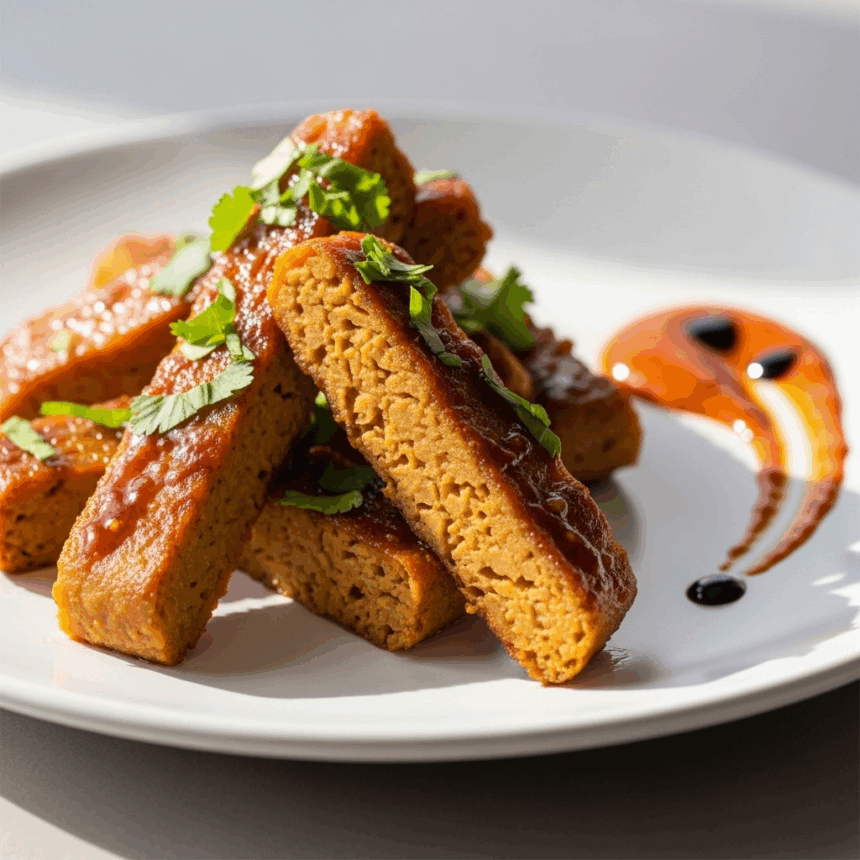
This homemade vegan chicken seitan shines in countless dishes-slice it for grilling, dice into stir-fries, or shred for hearty sandwiches. Garnish with fresh parsley or cilantro,a drizzle of tangy vegan aioli,or a squeeze of lemon for brightness. Pair with roasted vegetables, in creamy vegan stews, or atop a vibrant salad for a satisfying meal that feels indulgent yet wholesome.

| Nutrient | Per Serving |
|---|---|
| Calories | 180 kcal |
| Protein | 25 g |
| Carbohydrates | 10 g |
| Fat | 4 g |
Mastering the Art of Texture: Techniques to Achieve Tenderness and Chew
Texture defines the experience of homemade vegan chicken seitan. Fine-tuning kneading time balances chewiness with tenderness-too little kneading yields crumbly results, too much becomes rubbery. Allow the dough to rest after kneading; this lets gluten strands relax, softening each bite. Simmering gently instead of boiling preserves elasticity and prevents a tough exterior. For an authentic “bite,” shaping into elongated forms that mimic chicken breasts adds to the visual and textural illusion.
Infusing Flavor Depth with Herbs, Spices, and broths
Flavor infusion is just as crucial as texture.Incorporate umami-rich staples like miso, soy sauce, and nutritional yeast in the dough for complexity.The cooking broth doubles as a seasoning bath-layer it with fresh herbs like thyme and sage and aromatics such as bay leaves and peppercorns. This bathing method permeates the seitan with subtle, soulful flavor notes, elevating it beyond plain wheat gluten into a truly savory delight.


Tips for Perfectly Cooking and Storing Your Homemade Seitan
When simmering, maintain a low to medium heat and avoid a rolling boil to ensure a consistent tender bite. Turn seitan frequently to achieve even cooking and avoid sogginess on one side.After cooking, cool in the broth to lock in moisture and flavor.Store your seitan submerged in broth for best shelf life and texture preservation-this also makes reheating less drying. For longevity, freezing in an airtight container keeps it fresh and ready to thaw for creative weeknight meals.
For an extended dive into plant-based cooking techniques, explore our Vegan Protein Basics guide. for further scientific insight on gluten’s role in meat substitutes, check out this ScienceDirect resource on gluten mechanics.
Q&A
Q&A: Crafting Homemade Vegan Chicken Seitan – A Savory Delight
Q1: What exactly is seitan, and why is it a great substitute for chicken?
A: Seitan is a plant-based protein made primarily from vital wheat gluten, which is the protein found in wheat. When prepared correctly, it boasts a chewy, meaty texture that closely mimics chicken, making it an ideal vegan alternative. Its neutral flavor allows it to soak up any seasoning or marinade, creating a savory delight that pleases even the most devoted meat-eaters.
Q2: How do I achieve that authentic “chicken-like” texture in homemade seitan?
A: The magic lies in kneading and cooking. Kneading develops the gluten, giving seitan its firm, elastic texture. For a tender bite reminiscent of chicken breast, knead until the dough is springy but not tough.Simmering the seitan gently in a flavorful broth infuses it with moisture and depth, preventing it from becoming rubbery or dry.
Q3: What secret ingredients elevate vegan chicken seitan to savory perfection?
A: Umami-packed components such as nutritional yeast, soy sauce or tamari, garlic powder, smoked paprika, and a splash of white miso can transform your seitan from bland to brilliant. These flavors mimic the savoriness of cooked chicken and enrich the overall profile, making each bite irresistibly tasty.
Q4: Can I customize the flavors of vegan chicken seitan to match different recipes?
A: Absolutely! One of seitan’s greatest strengths is versatility. For asian-inspired dishes, add ginger, garlic, and a touch of sesame oil. For Italian flair, infuse the dough with sun-dried tomatoes, basil, and oregano. Whatever your cuisine of choice, the base seitan adapts beautifully to your creative cravings.
Q5: Is making seitan at home time-consuming or intricate?
A: While homemade seitan does require some hands-on effort, it’s surprisingly straightforward and rewarding.With a bit of kneading, simmering, and seasoning, you can craft a batch of vegan chicken that’s fresh, customizable, and free from preservatives. Plus, the aroma alone makes the time worthwhile!
Q6: How should I store homemade vegan chicken seitan?
A: After cooking, allow your seitan to cool fully, then store it airtight in the refrigerator for up to a week. For longer preservation, seitan freezes well-slice or portion it beforehand for fast use in future dishes.
Q7: What dishes shine brightest with homemade vegan chicken seitan?
A: The possibilities are as vast as your imagination! From crispy seitan nuggets and hearty sandwiches to savory stir-fries and comforting pot pies, vegan chicken seitan brings a delightful plant-based punch to a wide array of meals. Its adaptability makes it a kitchen champion for any savory craving.
Ready to roll up your sleeves and dive into the world of homemade vegan chicken seitan? With its savory flavor and satisfying texture, this plant-powered delight might just become your new cooking muse!
To Conclude
As you wrap up your journey into crafting homemade vegan chicken seitan, remember that this savory delight is more than just a dish-it’s a canvas for creativity and a festivity of plant-based ingenuity. With each bite,you’re not onyl savoring rich,meaty textures but also embracing a sustainable,compassionate way of eating. Whether you’re a seasoned vegan or simply curious, mastering this recipe opens the door to endless culinary possibilities. So roll up your sleeves, experiment with flavors, and let your kitchen become a playground where vegan chicken seitan transforms from humble wheat gluten into a star ingredient worthy of any meal. Happy cooking!