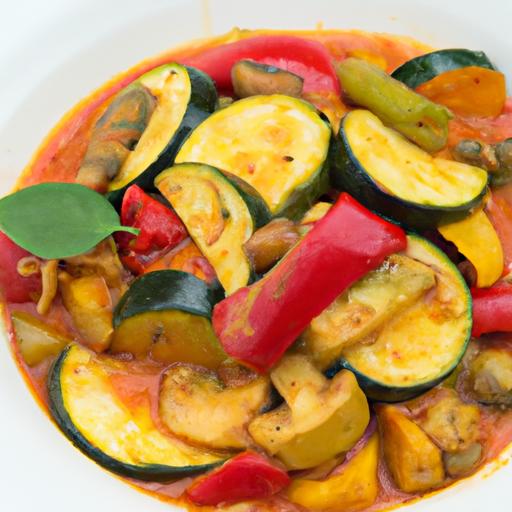
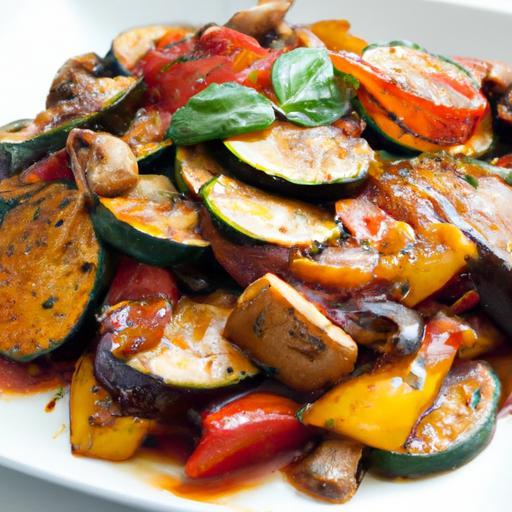
In the vibrant world of plant-based cuisine, few dishes capture the essence of rustic Mediterranean charm quite like ratatouille.This timeless vegan classic, with its colorful medley of tender vegetables and fragrant herbs, is more than just a meal-it’s a celebration of simplicity, seasonality, and soulful cooking. In this article, we unravel the secrets behind perfecting this beloved French staple, exploring its origins, culinary nuances, and step-by-step guidance to help you craft a ratatouille that’s as visually stunning as it is appetizing. Whether you’re a seasoned vegan or simply craving a wholesome, comforting dish, prepare to dive into the art of making ratatouille-a recipe that continues to enchant palates across generations.
Timeless Vegan Ratatouille is a celebration of vibrant summer vegetables, deeply infused with aromatic herbs and infused through gentle, slow cooking that nurtures authentic French flavor.This dish,born from the rustic kitchens of Provence,invites you to experience the essence of fresh,seasonal produce harmonized perfectly through the art of selecting each ingredient thoughtfully. Embracing this time-honored technique transforms simple veggies into a fragrant, colorful melody that delights every sense.
Prep and Cook Time
- Preparation: 20 minutes
- Cooking (Slow Simmer): 1 hour 15 minutes
- Total Time: 1 hour 35 minutes
Yield
Serves 6 generously as a main or side dish
Difficulty Level
Medium: Ideal for home cooks agreeable with vegetable prepping and simmer techniques
Ingredients
- 2 medium eggplants, sliced into ½-inch rounds
- 3 medium zucchinis, sliced into ½-inch rounds
- 3 large ripe tomatoes, peeled and chopped
- 1 large yellow onion, finely diced
- 1 red bell pepper, seeded and chopped
- 3 cloves garlic, minced
- ⅓ cup extra virgin olive oil
- 1 tsp dried thyme
- 1 tsp dried oregano
- 2 sprigs fresh rosemary
- Salt and freshly ground black pepper, to taste
- Fresh basil leaves, for garnish
- Optional: splash of balsamic vinegar for brightness
Instructions
- Prepare the vegetables. Rinse and dry all produce thoroughly. Slice eggplants and zucchinis into even rounds to ensure uniform cooking.
- Salt the eggplants. Lightly sprinkle eggplant slices with salt and place on a rack or paper towels for 15 minutes. This draws out bitterness and excess moisture. Rinse and pat dry before cooking.
- Heat 3 tbsp olive oil in a large heavy-bottomed pan over medium heat.Add diced onion and sauté until translucent, about 5 minutes.
- Add minced garlic and red pepper, cooking another 3 minutes until fragrant and lightly softened.
- Transfer the sautéed base to a bowl. In the same pan, add remaining olive oil and lightly brown slices of eggplant and zucchini in batches. Remove and set aside.
- Return all vegetables to the pan,including the chopped tomatoes,dried thyme,oregano,and rosemary sprigs. Stir gently to combine.
- Reduce heat to low and cover the pan partially. Let simmer slowly, stirring occasionally, for 1 hour. This slow simmer technique allows flavors to meld and vegetables to soften fully while preserving their shape.
- Season with salt and pepper to taste. For a subtle acidity boost, stir in a splash of balsamic vinegar if desired.
- Remove rosemary sprigs. Garnish with freshly torn basil leaves just before serving to add a vibrant herbal brightness.
Chef’s Notes & Tips for Success
- Choosing produce: Select firm,glossy eggplants without blemishes,zucchini of medium size to avoid excess seeds,and fully ripe,fragrant tomatoes. Local farmer’s markets often provide the freshest choices.
- Make-ahead tip: ratatouille tastes even better the next day as flavors deepen. Store in an airtight container in the refrigerator for up to 3 days.
- Creative twists: add diced smoked tofu or marinated tempeh for extra protein. For a nutty crunch, sprinkle toasted pine nuts just before serving.
- Vegan cheese alternative: garnish with cashew cream or a sprinkle of nutritional yeast for a cheesy umami dimension without dairy.
- Texture balance: Avoid over-stirring during simmering to keep veggie slices intact and visually appealing.
Serving Suggestions
serve your vegan ratatouille warm as a hearty main alongside crusty artisan bread or fluffy quinoa for a complete meal. Alternatively,present it chilled as a vibrant side dish at summer gatherings,paired with grilled vegetables or vegan pâté.
For an elegant touch, drizzle with extra virgin olive oil and freshly cracked black pepper. Garnish plates with a sprig of rosemary or basil and a few cherry tomatoes sliced in halves to brighten the presentation.

| Nutrition (per serving) | Amount |
|---|---|
| Calories | 180 kcal |
| Protein | 4 g |
| Carbohydrates | 20 g |
| Fat | 9 g |
For more inspiration on plant-based French cuisine, check out our Classic French Vegan Dishes collection.To explore the health benefits of Mediterranean vegetables,visit Medical News Today.
Q&A
Q&A: Timeless Vegan Ratatouille – A Classic Recipe Unveiled
Q1: What makes ratatouille a timeless dish?
A1: Ratatouille is timeless because it celebrates the vibrant bounty of summer vegetables in a way that’s both simple and soul-satisfying. Originating from Provence, France, this rustic medley of eggplant, zucchini, peppers, tomatoes, and herbs has endured centuries by embracing seasonal freshness and allowing each ingredient’s natural flavors to shine. Its versatility and comforting warmth keep it forever relevant on tables worldwide.
Q2: How does making ratatouille vegan enhance its authenticity?
A2: Traditionally, ratatouille is naturally vegan, relying on plant-based ingredients that highlight the essence of Mediterranean cuisine. By focusing on fresh vegetables,olive oil,garlic,and herbs without dairy or meat,the dish remains true to its heritage-pure,wholesome,and celebratory of nature’s pleasures. A vegan ratatouille honors the original heart of the recipe while promoting health and sustainability.
Q3: What are the key vegetables and herbs used in this classic vegan ratatouille?
A3: The cornerstone veggies are eggplant, zucchini, bell peppers, tomatoes, and onions. These are paired with fragrant garlic, fresh thyme, rosemary, and bay leaves. A generous splash of olive oil ties it all together, while a sprinkle of fresh basil at the end offers a sweet, aromatic finish.
Q4: Can ratatouille be enjoyed hot, cold, or both?
A4: Absolutely! Ratatouille’s magic lies in its adaptability. It can be served hot as a comforting main or side dish,warming the soul during cooler months. Alternatively, it’s delightful chilled or at room temperature, allowing the flavors to meld and intensify-a perfect choice for summer picnics or as a refreshing antipasto.
Q5: What’s the secret to achieving the perfect texture in ratatouille?
A5: The key is patience and respect for each vegetable’s cooking time. Building the layers slowly, sautéing each vegetable separately before combining, preserves their individual textures and prevents mushiness. Low and slow simmering allows flavors to meld without losing the distinct character of every ingredient, resulting in a dish that’s tender yet texturally vibrant.
Q6: How can someone put their personal twist on this classic recipe?
A6: Creativity blossoms in ratatouille’s simplicity! Swap traditional herbs for herbs de Provence, add a touch of smoked paprika for warmth, or incorporate a splash of balsamic vinegar for tang. Some like to serve it over creamy polenta or quinoa for a hearty meal, while others blend it slightly for a smooth spread. The possibilities are endless-each variation telling a new story while respecting its timeless roots.
Q7: Why is ratatouille considered a perfect dish for mindful eating?
A7: Ratatouille encourages slowing down and savoring the colors, textures, and flavors of fresh produce. Its plant-based nature nourishes the body and soul without pretense. Eating ratatouille is an act of gratitude for the earth’s gifts-a vibrant reminder of how simplicity and patience in cooking lead to profound satisfaction.
This Q&A captures the essence of timeless vegan ratatouille,weaving together history,technique,and inspiration for anyone eager to explore or deepen their love for this classic culinary gem.
To Conclude
As the final notes of this timeless vegan ratatouille recipe unfold, we’re reminded that classic dishes transcend time not merely through tradition, but by their ability to adapt and inspire. This vibrant medley of fresh, wholesome ingredients-steeped in rustic simplicity and bursting with layered flavors-invites both seasoned chefs and curious novices to partake in a culinary story that honors health, sustainability, and heartfelt creativity. Whether served hot from the oven or cooled for a summer picnic, this ratatouille proves that plant-based cooking can be both effortlessly elegant and deeply comforting. So, next time you seek a dish that bridges heritage and innovation, let this classic vegan ratatouille be your timeless companion in the kitchen.