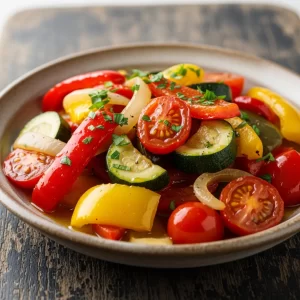
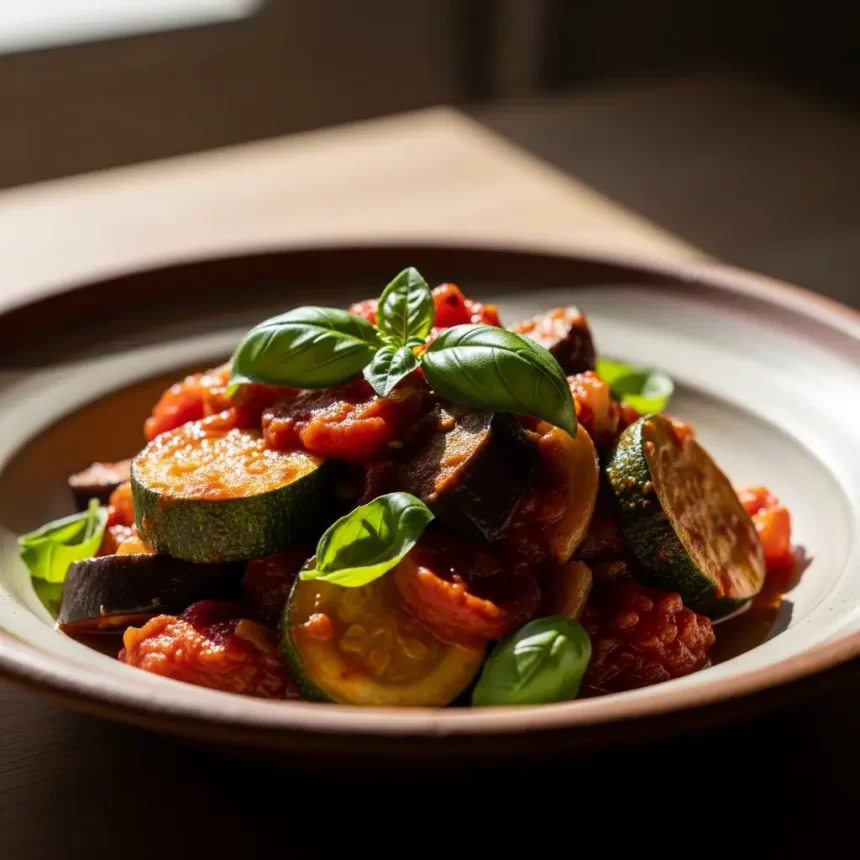
Bursting with vibrant hues and rich, earthy aromas, pisto is Spain’s answer to the beloved vegetable stew-a culinary mosaic that celebrates the simplicity and depth of fresh, sun-ripened produce. Often compared to the French ratatouille, this dish is more than just a medley of ingredients; it’s a time-honored tradition that captures the essence of Spanish home cooking. From the sizzle of sizzling peppers and tomatoes to the tender embrace of slow-cooked zucchini and onions, pisto invites both novice cooks and seasoned food lovers to savor a wholesome, flavorful experience that’s as colorful on the plate as it is indeed on the palate.In this article, we’ll explore the origins, ingredients, and secrets behind Spain’s vibrant vegetable stew, unlocking the magic that makes pisto a beloved staple across regions and generations.
Pisto, Spain’s colorful vegetable stew packed with flavour, is a vibrant party of fresh produce and rustic charm. Originating from the central and southern regions of Spain, especially La Mancha, this humble yet deeply satisfying dish embodies the essence of Mediterranean cooking-simplicity, seasonality, and vibrant taste. Each spoonful bursts with the natural sweetness of slow-cooked peppers, zucchini, and ripe tomatoes, making it a perfect reflection of Spain’s rich culinary diversity.
Origins and Regional Variations: A Reflection of Spain’s Culinary Mosaic
While pisto is frequently enough compared to the French ratatouille, it carries a distinct spanish soul tied to local traditions and ingredients. In La Mancha, where cervantes once roamed, the stew serves as a rustic staple for farmers, often accompanied by a fried egg or crusty bread. Up north in Basque Country, the dish may feature chorizo or local olives for a smoky twist. Andalusia adds a splash of robust olive oil and occasionally integrates eggplant for a creamier texture. These regional adaptations highlight how pisto beautifully adapts to the varying climate zones of Spain, illustrating a seamless fusion of local resources with time-honored techniques.
Key Ingredients That Bring Every Bite to Life: Freshness and Seasonality
Pisto relies on the freshest vegetables to evoke its signature flavor profile. The backbone consists of juicy, ripe tomatoes softened to a luscious base, tender zucchini, and brightly colored red and green bell peppers, which add sweetness and a subtle crunch. Onions, gently sautéed until golden, provide a savory depth, while garlic enhances the aromatic complexity. The use of high-quality spanish extra virgin olive oil is crucial-it infuses the vegetables with richness and a smooth, fruity undertone. Seasonal variations may include eggplant, summer squash, or even fresh herbs like thyme or bay leaf to advance the stew’s layers of flavor.
Prep and Cook Time
- Planning Time: 15 minutes
- Cook Time: 40 minutes
- Total Time: 55 minutes
Yield
- Serves 4 generously
Difficulty Level
- Easy – Perfect for both beginners and seasoned home cooks
Ingredients
- 4 medium ripe tomatoes, finely chopped
- 2 medium zucchinis, diced
- 2 red bell peppers, seeded and chopped
- 1 green bell pepper, seeded and chopped
- 1 large onion, finely chopped
- 3 cloves garlic, minced
- 5 tbsp extra virgin olive oil
- Salt to taste
- Freshly ground black pepper to taste
- 1 tsp smoked paprika (optional)
- Fresh basil or parsley, chopped for garnish
Step by Step Guide to Crafting the Perfect Pisto at Home
- prepare your vegetables: Wash and dice your zucchini, bell peppers, and finely chop the tomatoes. Set aside.
- Warm the olive oil: In a large skillet or wide sauté pan, heat the olive oil over medium heat until shimmering, but not smoking.
- Sauté onions and garlic: Add the chopped onion and garlic, cooking gently until translucent and fragrant, about 5 minutes. Stir occasionally to prevent burning.
- Add bell peppers: Toss in the red and green bell peppers, sautéing for 8-10 minutes until slightly softened and vibrant.
- Incorporate zucchini: Stir in the diced zucchini and cook for another 5 minutes while stirring to ensure even cooking.
- Add tomatoes and seasoning: pour in the tomatoes along with salt, pepper, and smoked paprika if using. Simmer on low heat, stirring occasionally, until the mixture thickens and all vegetables meld together, about 15 minutes.
- Final touches: Taste and adjust seasoning. For a deeper flavor, simmer covered for an extra 5 minutes. Remove from heat.
- Serve: Garnish with freshly chopped basil or parsley. Enjoy warm or at room temperature.
Chef’s Notes: Tips for Success
- For authentic flavor, use fully ripened tomatoes to avoid bitterness.
- Consider roasting the bell peppers beforehand for a smoky infusion.
- if preferred, add a fried or poached egg on top to replicate the traditional Manchego presentation.
- Pisto can be made ahead and refrigerated for up to 3 days-it tastes even better as the flavors develop.
- vegetarian and vegan-friendly; though, adding Spanish chorizo or a drizzle of sherry vinegar can provide exciting variations.
Creative Serving suggestions to Elevate Your Pisto Experience
Pisto shines as a hearty side or a standalone main dish. For a rustic tapas spread, serve it alongside crusty sourdough bread or toasted baguette slices. Top with a perfectly fried egg for a comforting brunch or a light dinner. For a Mediterranean twist, spoon pisto over creamy polenta or quinoa for added texture. Drizzle with a splash of high-quality olive oil just before serving to enhance the freshness, and sprinkle toasted pine nuts or crumbled feta for an elevated flavor contrast. During warmer months,serve chilled topped with a dollop of Greek yogurt and fresh herbs.The versatility ensures you never tire of this colorful dish.
| Nutrient | Per Serving |
|---|---|
| Calories | 180 kcal |
| Protein | 4 g |
| Carbohydrates | 20 g |
| Fat | 10 g |
For a deeper dive into Mediterranean vegetable dishes, explore our Mediterranean Vegetable Recipes.To learn more about Spain’s culinary traditions beyond this stew, check out the insights at Spain tourism’s Gastronomy Page.
Q&A
Q&A: Pisto – spain’s colorful Vegetable stew Packed with Flavor
Q: What exactly is pisto?
A: Pisto is a traditional Spanish vegetable stew, bursting with colour and vibrant flavors. Imagine a melange of tomatoes, peppers, zucchini, and onions, all slow-cooked until they meld into a luscious, rustic medley reminiscent of ratatouille but with its own distinctive Spanish flair.

Q: Where does pisto originate from?
A: Pisto hails from the heart of Spain, particularly popular in regions like Castilla-La Mancha and Andalusia. It’s the Mediterranean essence captured in a pot, reflecting the rich agricultural heritage and seasonal bounty of Spanish kitchens.
Q: What makes pisto so flavorful?
A: The magic lies in its simplicity and the quality of fresh ingredients. Ripe tomatoes provide sweetness and acidity, while olive oil imparts silkiness.Slow-cooking vegetable layers allows their natural sugars to caramelize, blending into a harmonious symphony of earthiness, sweetness, and a touch of smoky depth.
Q: How is pisto traditionally served?
A: Pisto is incredibly versatile! It can be served as a side dish,a main course,or even a tapa. Often, it’s topped with a fried egg, which when broken, creates a rich, velvety sauce that elevates the dish to sublime heights. Some enjoy it alongside crusty bread,manchego cheese,or cured ham to round out the experience.
Q: Can pisto be customized or modernized?
A: Absolutely! While traditional pisto sticks to classic veggies, creatives can add eggplant, garlic, or fresh herbs like thyme and oregano. For a modern twist, try roasting the vegetables before stewing or stirring in a splash of sherry vinegar for a tangy kick. Vegan, gluten-free, and bursting with nutrients, it adapts beautifully to any lifestyle.
Q: Why is pisto relevant in today’s culinary scene?
A: In a world craving wholesome, colorful, and flavorful meals, pisto shines as a nutritious, plant-forward dish. It’s a celebration of simplicity and seasonality, perfectly suited for those seeking comfort food that honors tradition while embracing modern palettes.
Q: How can I make authentic pisto at home?
A: Start with fresh, seasonal vegetables-think ripe tomatoes, bell peppers, zucchini, and onions. Sauté each vegetable gently in olive oil, letting them soften and sweeten. Patience is key: let the stew simmer low and slow until all ingredients fuse into a rich tapestry of flavor. Don’t forget to season with salt,pepper,and maybe a hint of smoked paprika or fresh herbs. Serve warm, topped with a fried egg if you like, and enjoy Spain’s colorful heritage on your plate.
Dive into the vibrant world of pisto and savor Spain’s gift of garden-fresh goodness, one spoonful at a time!
In Conclusion
Whether enjoyed as a warm, comforting meal or a vibrant side dish, pisto embodies the heart and soul of Spanish cuisine-simple ingredients transformed into a symphony of flavors and colors. This humble vegetable stew invites you to slow down, savor the season’s freshest harvest, and celebrate the culinary traditions that have simmered through generations. So next time you’re craving a dish that’s both wholesome and bursting with character, let pisto transport your taste buds to sun-drenched Spanish kitchens, where every bite tells a story of warmth, community, and the beauty of Mediterranean bounty.