there’s something undeniably magical about homemade pasta-the tender texture, the rich flavor, and the comforting aroma that fills your kitchen. Crafting perfect pasta dough from scratch might seem like an art reserved for seasoned chefs, but with a handful of simple ingredients and a bit of patience, anyone can master this timeless culinary skill. In this guide,we’ll unravel the secrets to making flawless pasta dough right at home,turning an ordinary meal into a celebration of tradition,creativity,and deliciousness. Whether you’re a curious beginner or looking to refine your technique, let’s dive into the joy of crafting pasta that’s as gorgeous to make as it is to eat.
Crafting perfect homemade pasta dough begins with understanding the subtle nuances that turn simple ingredients into silky, elastic strands of deliciousness. Pasta, a timeless Italian treasure, owes its unique texture and flavor to the flour’s quality, meticulous kneading, balanced hydration, and patient resting. Whether its your first time or you’re refining your technique, this guide reveals how to elevate your pasta-making craft with confidence and flair.
Prep and Cook Time
Preparation: 20 minutes | Resting: 30 minutes | Cooking: 2-3 minutes
Yield
Makes dough for approximately 4 servings of fresh pasta
Difficulty Level
Medium – Ideal for cooks ready to take their pasta-making skills to the next level
Ingredients
- 2 cups all-purpose flour, sifted (for a tender bite)
- 1 cup “00” flour (finely milled Italian flour for silkiness)
- 3 large eggs, at room temperature
- 1 tbsp olive oil (adds suppleness and flavor)
- 1 tsp fine sea salt
- Water, as needed (to balance hydration)
Instructions
- Combine Flours: On a clean surface or in a large bowl, mix the sifted all-purpose flour and “00” flour evenly. Creating a peak with a well in the center sets the stage for your eggs.
- Whisk Eggs and Oil: Crack your eggs into the flour well. Add olive oil and salt. Using a fork, gently whisk the eggs, gradually incorporating the flour from the edges into the center, allowing the dough to form.
- Begin Kneading: Once the mixture thickens, use your hands to knead. Push down and away with the heel of your palm, fold the dough back over, turn, and repeat. This creates gluten strands, delivering elasticity and chew.
- Balance Hydration: If the dough feels dry or crumbly, drizzle tiny amounts of water (a teaspoon at a time). conversely, if it’s too sticky, dust with a bit more flour. Aim for a supple, slightly tacky dough-never wet or crumbly.
- Knead for Elasticity: Continue kneading for at least 10 minutes. You’ll notice the dough transform from rough and lumpy to silky and springy, a hallmark of perfect pasta dough.
- Rest the Dough: wrap the ball tightly in plastic wrap or a damp cloth and let it rest at room temperature for 30 minutes. This step relaxes the gluten, making rolling easier and preventing shrinkage in the pot.
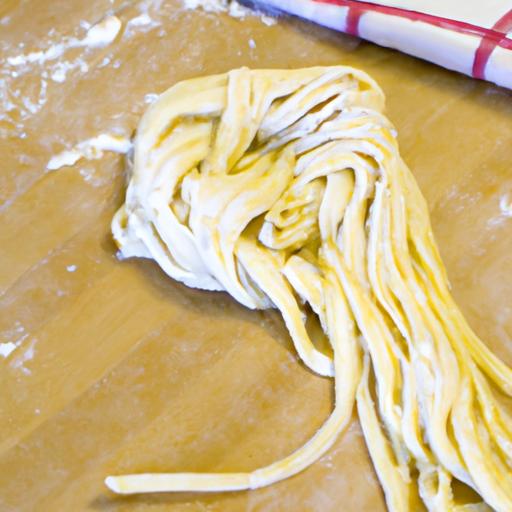
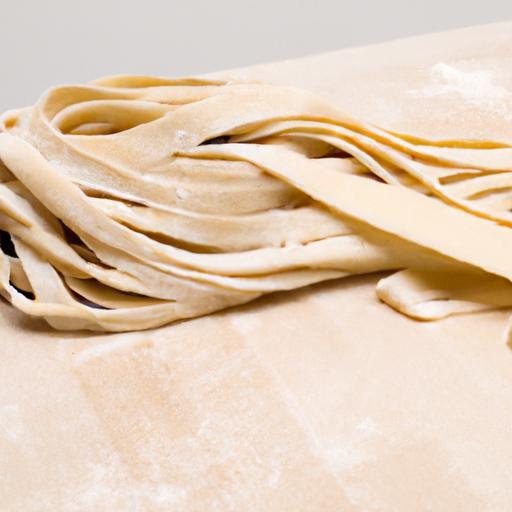
- Roll and Shape: Divide the dough into manageable sections. Lightly flour your surface and roll each piece with a rolling pin or pasta machine. Start thick and gradually thin the dough to your desired thickness, usually paper-thin for ravioli or fettuccine.
Tips for success
- Flour Selection: Combining all-purpose and “00” flours offers the perfect balance of strength and silkiness.”00″ flour alone yields delicate dough but can be tricky to handle for beginners.
- Kneading: Resist the urge to rush. the dough’s elasticity is developed by consistent kneading. If the dough springs back when you press it lightly, you’re on the right track.
- Hydration: Weather and flour brand affect moisture absorption. Adjust little by little to reach the perfect dough consistency.
- Resting: Don’t skip resting-it’s essential! A well-rested dough rolls out smoothly and holds its shape when cooked, enhancing both texture and flavor.
- Make-Ahead: Homemade pasta dough can be wrapped tightly and refrigerated for up to 24 hours. Bring to room temperature before rolling to avoid tears.
Serving suggestions
Fresh pasta shines best with simple, vibrant sauces that celebrate its silky texture.toss your handmade pasta gently in olive oil-infused garlic butter or a delicate sage cream sauce sprinkled with freshly grated Parmigiano-Reggiano. For a rustic touch, pair with a luminous classic marinara sauce simmered to perfection.
Garnish with fresh basil leaves, cracked black pepper, or a sprinkle of toasted pine nuts for added crunch and aroma. Serve immediately to savor the tender,chewy texture characteristic of beautifully crafted pasta dough.
| Nutrient | Per Serving (Approx.) |
|---|---|
| Calories | 310 kcal |
| Protein | 12 g |
| Carbohydrates | 45 g |
| Fat | 6 g |
For more tips on artisan pasta-making, check out our complete guide to homemade pasta shapes and sauces.

Q&A
Q&A: Crafting Perfect homemade Pasta Dough – A Simple Guide
Q1: Why make homemade pasta dough when I can buy fresh or dried pasta at the store?
A1: Homemade pasta is an experience-a tactile, aromatic journey that transforms cooking into art. Fresh pasta dough melts differently in your mouth, offering a delicate texture and richer flavor that store-bought pasta frequently enough can’t match. plus, making it yourself lets you customize thickness, shape, and even infuse unique flavors right into the dough.
Q2: What are the essential ingredients for perfect pasta dough?
A2: The classic trio: flour, eggs, and a pinch of salt. Usually, all-purpose flour or ’00’ flour yields silky results. Some purists swear by ’00’ flour for its fine texture, but all-purpose works beautifully too. Eggs add richness and structure. Sometimes a splash of olive oil or a touch of water helps with elasticity,but simplicity reigns supreme in conventional recipes.
Q3: How do I know if my dough is kneaded enough?
A3: When your dough feels smooth, elastic, and no longer sticky, you’re there. It should spring back gently when pressed with a finger. Kneading is like waking up the gluten strands-too little, and your dough is crumbly; too much, and it’s tough. Aim for a soft,pliable ball that’s a joy to roll and shape.
Q4: Can I make pasta dough without eggs?
A4: Absolutely! Eggless pasta dough is popular in Southern Italy and perfect for those with dietary restrictions. Typically, it’s made from flour and water alone-sometimes a splash of olive oil. The texture is slightly different-less rich and a bit firmer-but with the right technique, you can achieve delicious results.
Q5: How long should the dough rest before rolling it out?
A5: Patience pays off here. Resting your dough for at least 30 minutes (wrapped tightly) allows the gluten to relax, making rolling smoother and preventing shrinkage. The dough becomes more forgiving and easier to shape into ribbons, sheets, or any fancy form your heart desires.
Q6: What’s the best way to roll out pasta dough if I don’t have a pasta machine?
A6: A sturdy rolling pin and a bit of elbow grease will do the trick! Roll evenly on a lightly floured surface, turning and flipping your dough frequently to maintain shape and avoid sticking. The key is thinness-aim for translucent sheets that feel tender but not fragile. It’s a great workout and a meditative moment rolled into one.
Q7: How do I store homemade pasta dough if I want to cook it later?
A7: Wrap it tightly in plastic wrap and refrigerate for up to 2 days. For longer storage, freeze the dough-flattened into a disc for quicker thawing-and thaw overnight in the fridge before rolling out. Freshness matters for tenderness, so avoid over-storing to keep that perfect bite.
Q8: What tips can help me avoid common pasta dough pitfalls?
A8: Start with good ingredients, measure carefully, and hydrate gradually. If your dough feels dry, add a drop of water; if too sticky, sprinkle more flour-but sparingly. Knead consistently, rest properly, and don’t rush the rolling. Remember, every batch is a new chance to finesse your technique-embrace the imperfections as you learn!
Q9: Can I add flavors or colors to my pasta dough?
A9: Of course! Spinach puree for green hues, beet juice for vibrant reds, or squid ink for dramatic black pasta-nature’s palette is your playground. Just blend thes into the dough’s wet ingredients and adjust flour as needed. The result? Pasta that’s not only delicious but a feast for the eyes.Q10: how do I know when my homemade pasta is cooked perfectly?
A10: Fresh pasta cooks quickly-frequently enough in 1 to 3 minutes. It’s done when it floats to the surface and has a tender, just-right bite (al dente). Taste-testing is your ultimate guide here; overcooked fresh pasta can turn mushy,so watch closely!
Embark on your pasta-making adventure with curiosity and patience; with each batch,you’ll craft not just dough,but memories-and a plate of pasta that sings with homemade love. Buon appetito!
To Conclude
With your hands dusted in flour and the comforting rhythm of kneading behind you,crafting homemade pasta dough transforms from a simple recipe into an artful ritual. Each batch carries the promise of fresh, tender noodles that elevate any sauce or filling you dream up. Remember, the perfect pasta dough is as much about patience and feel as it is about ingredients. So don’t rush – savor the process, experiment boldly, and let your kitchen become a haven where tradition and creativity meet. Homemade pasta isn’t just food; it’s a celebration of craftsmanship you can taste with every bite.