In the heart of Tuscany, where rolling hills meet sun-kissed vineyards, a humble dish tells a story of simplicity and soul-Pappa al Pomodoro. This hearty tomato bread soup, steeped in rustic tradition, transforms everyday ingredients into a symphony of warmth and flavor. Born from the kitchens of resourceful Tuscan peasants,Pappa al Pomodoro captures the essence of Italian cucina povera,where nothing goes to waste and every bite bursts with history. Join us as we dive into this comforting bowl that embodies the spirit of Tuscany-rich, robust, and undeniably welcoming.
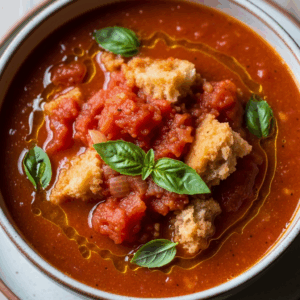
Pappa al Pomodoro: Tuscany’s Hearty Tomato Bread soup
Pappa al Pomodoro is a timeless Tuscan treasure, a hearty tomato bread soup that captures the essence of rustic Italian cooking. Originating from the sun-kissed hills of Tuscany, this humble dish transforms simple pantry staples into a velvety, aromatic bowl of comfort and tradition. My first taste of Pappa al pomodoro was at a countryside agriturismo, where its simplicity and depth ignited a lifelong passion for this rustic classic. This recipe invites you to explore Tuscany’s soulful culinary heritage, where every spoonful tells a story of warmth, community, and love for the land.
Prep and Cook Time
- Preparation: 15 minutes
- Cooking: 40 minutes
- Total: 55 minutes
Yield
Serves 4 generous portions
Difficulty Level
Easy - Perfect for beginner cooks seeking authentic Italian comfort
Key Ingredients That Bring Tuscany’s Tomato Bread Soup to Life
- 400g ripe plum tomatoes,peeled and roughly chopped
- 200g stale country bread,crusty and torn into chunks (preferably Tuscan bread without salt)
- 4 cloves garlic,finely minced
- 4 cups ripe tomato passata or passable canned tomatoes for lush color and texture
- 4 cups vegetable broth or homemade chicken broth for extra depth
- 1 small bunch fresh basil,leaves torn
- 1/2 cup extra virgin olive oil,plus extra for drizzling
- Salt and freshly cracked black pepper,to taste
- Optional pinch of red pepper flakes to awaken the palate
Step-by-Step Guide to Crafting the Perfect Pappa al Pomodoro
- Heat 1/4 cup olive oil in a large heavy-bottomed saucepan over medium heat. Add the minced garlic and a pinch of red pepper flakes,sautéing until fragrant and golden (about 2-3 minutes). Be careful not to burn the garlic; stir frequently.
- Add the chopped ripe tomatoes to the pan and cook for 8-10 minutes, allowing them to soften and release their juices. Gently press them with the back of a spoon to break down any larger pieces.
- Pour in the tomato passata and vegetable broth. Stir to combine and let the mixture come to a gentle simmer. Season lightly with salt and pepper.
- Introduce the torn bread chunks into the pot. Stir and allow the bread to soak and dissolve into the tomato broth, about 20-25 minutes. Stir occasionally to prevent sticking on the bottom.
- Halfway through soaking, add half the torn basil leaves. They will infuse the soup with fresh, herbaceous notes.
- Once the soup has thickened and the bread is tender, turn off the heat. Using a wooden spoon, gently mash any large bread pieces to create a creamy, porridge-like texture-do not blend completely; the texture is what makes this dish rustic and charming.
- Adjust seasoning with salt and pepper as needed.Stir in the remaining fresh basil leaves.
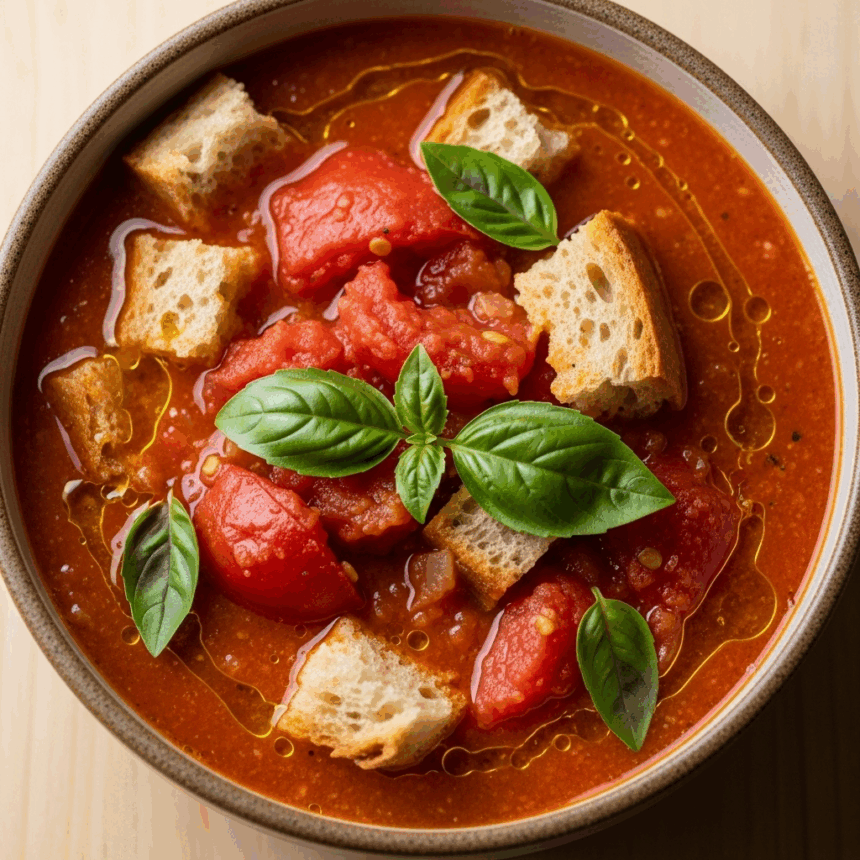
- Serve piping hot, drizzled generously with extra virgin olive oil and, if desired, a few basil leaves for garnish.
Chef’s Notes: Tips for success
- Bread choice matters: The traditional recipe calls for Tuscan bread, which is unsalted and firm. If unavailable, choose a crusty country loaf but reduce additional salt.
- Tomato freshness: Use the ripest tomatoes available; they define the flavor. If tomatoes are out of season,high-quality canned san Marzano tomatoes work beautifully.
- Make-ahead magic: This soup tastes even better the next day as flavors meld. Reheat gently, adding a splash of broth or water if it thickens too much.
- Vegetarian-friendly: Use vegetable broth to keep it authentic and suitable for all diets.
- Texture preference: If you prefer a smoother consistency,pulse with an immersion blender briefly but leave some texture.
- storage: Keep leftovers in an airtight container in the refrigerator for up to 3 days or freeze for longer preservation.
Tips for Pairing and Serving This Rustic Tuscan Classic
This Pappa al Pomodoro pairs beautifully with a crisp green salad dressed simply with lemon and olive oil, which balances the soup’s rich tomato sweetness. A glass of chilled Vernaccia di San Gimignano or Chianti complements the wine’s acidity with the soup’s vibrant flavors.
For a more indulgent experience, serve with shavings of parmigiano-Reggiano or a drizzle of truffle oil.Rustic grilled vegetables or a side of cured Tuscan meats create a well-rounded meal. Present the soup in a deep bowl with a fresh basil leaf and an extra drizzle of olive oil for a visually inviting finish.
For an exploration of traditional Italian soups, check out our full guide on Classic Italian Soups.
| nutrient | Per Serving |
|---|---|
| Calories | 220 kcal |
| Protein | 6 g |
| Carbohydrates | 38 g |
| Fat | 6 g |


Discover more on Tuscany Villas: Pappa al Pomodoro for authentic insights into this soulful dish’s history and variations straight from regional experts.
Q&A
Q&A: Exploring Pappa al Pomodoro – Tuscany’s Hearty Tomato Bread Soup
Q1: What is Pappa al Pomodoro?
A1: Pappa al Pomodoro is a traditional Tuscan soup that sings the simple yet soulful flavors of sun-ripened tomatoes and day-old bread.It’s a thick, rustic concoction that transforms humble pantry staples into a comforting, heartwarming dish.
Q2: Where does Pappa al Pomodoro originate?
A2: This beloved soup hails from Tuscany, the region of rolling hills, olive groves, and vineyards in central Italy. It’s a testament to Tuscan cuisine’s philosophy: cucina povera, or “poor kitchen,” which celebrates resourcefulness and vibrant flavors despite limited ingredients.
Q3: What are the main ingredients in Pappa al Pomodoro?
A3: at its core, Pappa al Pomodoro relies on ripe tomatoes, stale rustic bread, garlic, fresh basil, olive oil, and a splash of vegetable broth or water. Salt and pepper season the soup, while a drizzle of good-quality extra virgin olive oil adds the finishing touch.
Q4: Why is stale bread used in Pappa al Pomodoro?
A4: Stale bread-frequently enough a crusty Tuscan loaf-acts as the soup’s thickening agent, soaking up tomato juices and turning silky soft. Using day-old bread is not just practical but poetic, embodying the “waste not, want not” spirit embedded in Italian cooking traditions.
Q5: How is Pappa al Pomodoro traditionally served?
A5: Typically, this soup is served warm, sometimes at room temperature, especially in warmer months.It’s frequently enough garnished with fresh basil leaves and a generous swirl of olive oil. Some Tuscan tables invite a sprinkle of Pecorino cheese, tho purists prefer it unadorned.
Q6: Can Pappa al Pomodoro be considered a healthy dish?
A6: Absolutely. It’s naturally vegetarian, low in fat, and packed with antioxidants from fresh tomatoes and basil. Since it uses bread as a thickener rather than heavy cream or flour, it’s lighter yet filling – ideal comfort food that nourishes without weighing you down.
Q7: Is Pappa al Pomodoro easy to make at home?
A7: Yes! One of the joys of Pappa al Pomodoro is its simplicity. With minimal prep and a handful of ingredients, you can simmer your way to a bowl of Tuscan warmth in under an hour. perfect for home cooks seeking authentic flavor with a rustic charm.
Q8: How does Pappa al Pomodoro reflect Tuscan culture?
A8: This soup encapsulates Tuscany’s appreciation for simplicity, seasonality, and the art of turning modest ingredients into culinary treasures. It reflects a way of life rooted in tradition,community,and respect for the land’s bounty-values that continue to inspire and comfort.
Q9: Are there modern twists on Pappa al Pomodoro?
A9: Indeed! Contemporary chefs sometimes add roasted tomatoes for depth,infuse the broth with herbs like rosemary or thyme,or top the soup with a poached egg or crunchy pancetta. yet, whether traditional or reimagined, the heart of Pappa al Pomodoro remains in its humble roots.
Q10: Where can one experience authentic Pappa al Pomodoro?
A10: To taste genuine Pappa al Pomodoro at its finest, one must journey to Tuscany’s countryside trattorias and family-run osterias. Each spoonful offers a rich story of regional pride, rustic charm, and a timeless love for simple, soulful food.
Closing Remarks
As the sun sets over the rolling hills of Tuscany, the humble Pappa al Pomodoro stands as a testament to the region’s soulful simplicity-where ripe tomatoes, crusty bread, and fragrant herbs come together in a warm, comforting embrace. More than just a soup, it’s a flavorful story simmered through generations, inviting you to experience the heart of Tuscan home cooking with every spoonful.Whether savored in a bustling piazza or recreated in your own kitchen, pappa al Pomodoro offers not just a meal, but a delicious connection to a timeless culinary tradition. So next time you crave something both rustic and satisfying, let this hearty tomato bread soup transport you straight to the sun-drenched kitchens of Tuscany.