
Embarking on a keto journey can feel like stepping into a engaging new world-one where fats fuel your body, carbs take a backseat, and every meal becomes a mindful celebration of balance.But beneath the delicious dishes and satisfying snacks lies a simple, yet powerful secret: mastering your macros. Calculating the right ratio of fats, proteins, and carbs isn’t just a numbers game-it’s the cornerstone of keto success. In this article, we’ll unravel the mystery behind macros and guide you through easy, practical steps to tailor them perfectly to your lifestyle. Get ready to take control,simplify your approach,and unlock the full potential of the ketogenic way of eating.
Mastering Keto: Easy Steps to Calculate Your Macros Right begins with truly understanding how each macronutrient fuels your body on a ketogenic journey. Macros – short for macronutrients – are the cornerstone of keto success. Getting to know fats, proteins, and carbohydrates intimately allows you to customize your intake for maximum energy, mental clarity, and fat loss, transforming your approach from guesswork to precision. Whether you’re new to keto or refining your regimen, mastering these fundamentals will empower you to tailor your diet perfectly to your lifestyle and goals.
Prep and Cook Time
- Prep Time: 10 minutes
- Cook Time: N/A (focus on calculations and planning)
Yield
- Blueprint for 1 day’s personalized macro intake
Difficulty Level
- Easy
Breaking Down the Essential Macronutrients for Keto Success
On keto, your body’s priority shifts from using glucose to using fat for fuel. Understanding each macro’s role is key:
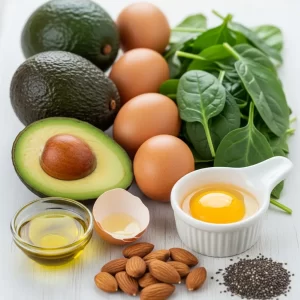
- Fats provide sustained energy and keep you satiated. They should make up the majority of your calories-typically 70-75%-and include sources like avocado, olive oil, and nuts.
- Proteins are needed for muscle repair and metabolic function. Moderate protein intake-around 20-25%-prevents muscle loss without kicking you out of ketosis.
- Carbohydrates are limited to 5-10% of daily intake to keep your body in ketosis. Focus on fibrous, low-glycemic vegetables.
Simple Techniques to accurately Calculate Your Daily Macros
- Determine your total daily calorie needs based on your weight,height,activity level,and goals using an online keto macro calculator or reputable formulas.
- Set your fat, protein, and carb percentages that suit your energy demands and fat loss objectives-this might start at 75% fat, 20% protein, and 5% carbs, then tweak as needed.
- Convert percentages into grams: divide your total caloric goal into macros remembering fat has 9 calories per gram, protein and carbs have 4 each.
- Track your food intake using keto apps or food journals to ensure you hit your target macros consistently.
Customizing your Macro Ratios for Optimal Energy and Fat Loss
The beauty of keto lies in its adaptability. Some thrive on slightly higher protein, others may increase fat to improve satiety. Listen to your body’s feedback. adjust macros if you encounter:
- Low energy: Try increasing healthy fats or slightly boosting carbs from non-starchy vegetables.
- Plateauing weight loss: Consider tightening carb limits or reducing protein to avoid gluconeogenesis.
- Excess hunger: Ensure adequate fat intake and consider intermittent fasting as a tool.
Chef’s notes: Tips for Success
- Use a digital kitchen scale to weigh your food for precision.
- Incorporate variety-rotate your fat sources to avoid flavor fatigue.
- Meal prep in advance to ease macro tracking during busy days.
- Stay hydrated and supplement electrolytes to avoid “keto flu.”
- Track ketones periodically if you want to confirm optimal ketosis.
Serving Suggestions
Think of your macros as the palette from which you build vibrant, nourishing keto meals. Use vibrant leafy greens and herbs as fresh accents.Add texture with nuts or seeds and a drizzle of high-quality fats like extra-virgin olive oil or MCT oil for that satisfying mouthfeel.Presentation is part of the pleasure-aim for colorful plates with balanced portions to celebrate your keto success.

| Macro | Calories per Gram | Typical Keto Ratio |
|---|---|---|
| Fat | 9 | 70-75% |
| Protein | 4 | 20-25% |
| Carbohydrate | 4 | 5-10% |
For further guidance on keto-pleasant recipes and macro tracking, explore our Keto Meal Plans Collection or visit Diet Doctor for expert advice on ketogenic nutrition.


Q&A
Q&A: Mastering Keto – Easy Steps to Calculate Your macros Right
Q1: What exactly are macros, and why do they matter on a keto diet?
A: Macros, short for macronutrients, are the trio of carbohydrates, proteins, and fats that fuel your body.On keto,dialing in your macros is like tuning a high-performance engine: you want to minimize carbs,moderate protein,and maximize healthy fats to shift your metabolism into fat-burning mode-ketosis. Getting your macro ratios right ensures you’re not just eating keto, but thriving on it.
Q2: How do I start calculating my keto macros without feeling overwhelmed?
A: Think of calculating your macros as a simple recipe-once you know your ingredients, mixing them becomes second nature. Begin with your daily calorie target based on your goals (losing, maintaining, or gaining weight). Then, allocate roughly 70-75% of those calories to fats, 20-25% to protein, and 5-10% to carbs. Using online keto calculators or apps can take the math stress away, turning complex numbers into bite-sized info.
Q3: Can my protein needs change on keto, and how do I figure out the right amount?
A: Absolutely! Protein is your body’s building block, but too much can nudge you out of ketosis.Typically, protein needs depend on your lean body mass and activity level. A good starting point is 0.6-1 gram of protein per pound of lean body mass. If you’re highly active or aiming for muscle gain, edge toward the upper limit; if sedentary, the lower. Tracking your progress helps fine-tune protein intake over time.
Q4: Is it necessary to count every carb gram,or can I eyeball it?
A: In the honeymoon phase of keto,precision is your best friend. Net carbs-total carbs minus fiber and sugar alcohols-should generally stay under 20-30 grams per day to enter and maintain ketosis. Once you’re familiar with carb content in your favorite foods, you might develop a genius gut instinct. But beginners should definitely track, ensuring hidden carbs don’t sneak in.
Q5: How do I adjust my macros if I hit a weight loss plateau on keto?
A: when the scale stalls, it’s time to revisit your macros like a detective hunting clues. Frist, confirm your calorie intake isn’t creeping up unintentionally. Tweaking fat intake down slightly and protein up a bit can definitely help boost metabolism and preserve muscle.Sometimes, incorporating intermittent fasting or increasing activity levels revitalizes fat burning. Remember, patience and small adjustments are your allies.
Q6: Are all fats created equal in keto macro calculations?
A: Great question! While your macro percentages focus on total fat grams, the quality of those fats steers your health journey.Prioritize monounsaturated and saturated fats from avocados, nuts, grass-fed butter, and olive oil. Omega-3 rich fats from fatty fish bring anti-inflammatory benefits. Minimize trans fats and processed fats-they count but don’t play nice with your body.Q7: Can I use keto macro calculations for other goals beyond weight loss?
A: Definitely! Keto macros aren’t just for shrinking waistlines. They can be tailored for muscle gain, improved mental focus, or managing blood sugar. Adjusting protein and overall calories while maintaining low carbs helps adapt keto to your unique goals.In essence, mastering your macros is learning to talk your body’s language fluently, whatever your destination.
Q8: What’s the simplest takeaway for someone eager to master their keto macros today?
A: Start simple: find your calorie goal, plug in your macro ratios, track your intake faithfully for a week, and tweak as needed. Use tools like apps or journals to stay on course. remember, macros are your roadmap-not a rigid cage.embrace adaptability, listen to how your body responds, and celebrate small victories on your keto adventure!
The Conclusion
Mastering your keto journey doesn’t have to feel like navigating a maze blindfolded. With these easy steps to calculate your macros, you’re no longer guessing-you’re precisely fueling your body for optimal fat-burning and sustained energy. Remember,the power lies in the numbers,but the magic happens when you listen to your body’s unique needs. So, armed with your macro map and a dash of patience, you’re ready to transform keto from a daunting challenge into your new lifestyle rhythm. Here’s to mastering your macros-and unlocking a healthier, vibrant you!