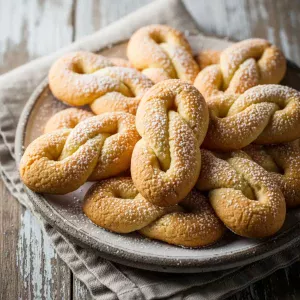
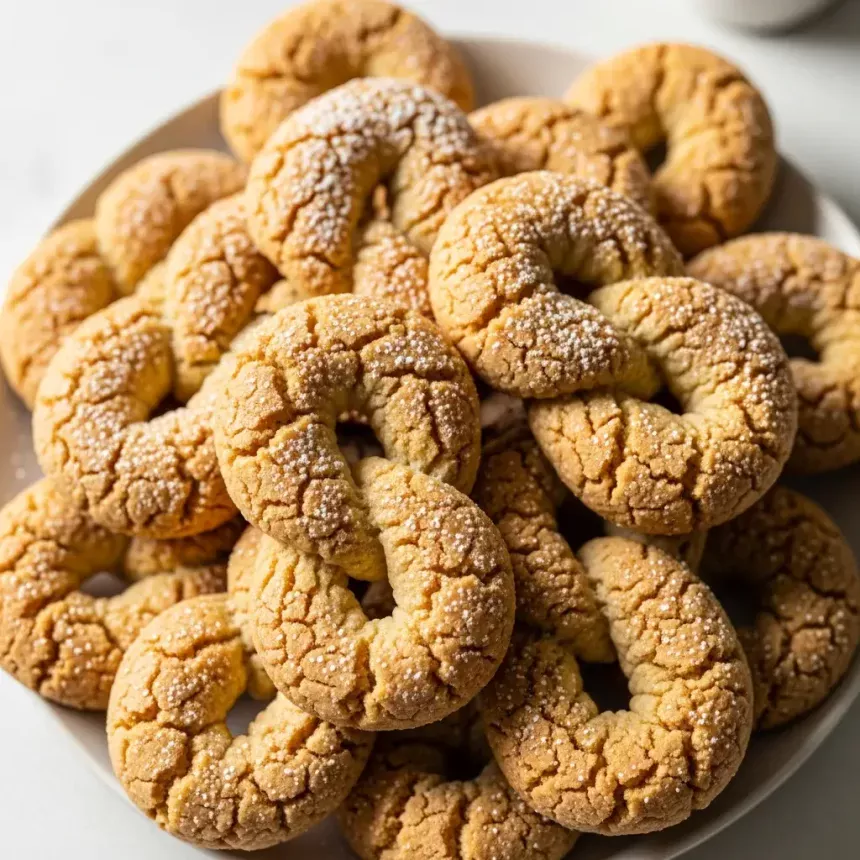
As spring breathes new life into Greece, kitchens across the country come alive with the warm aroma of cinnamon, butter, and vanilla-heralding the arrival of Easter and its beloved sweet tradition: koulourakia. These golden,braided cookies are more than just a treat; they are a symbol woven into the very fabric of Greek culture,passed down through generations to mark the joyous season of resurrection and renewal. In this article, we’ll unwrap the story behind koulourakia, exploring their history, unique shapes, and the timeless recipes that continue to bring families together every Easter Sunday. Prepare to discover how these humble cookies capture the heart of Greek hospitality and festive spirit, one buttery bite at a time.
Koulourakia bring a tasty slice of Greek heritage to your Easter celebrations, famed for their golden, buttery crispness and charming twisted shapes. These traditional Greek Easter cookies carry not simply a rich flavor but centuries of symbolism, evoking family warmth and festive joy that make every bite unforgettable. Crafting koulourakia isn’t just baking; it’s an invitation to connect with a centuries-old culinary story that sweetens your holiday table with authenticity and care.
Prep and cook Time
- Readiness: 20 minutes
- resting time: 30 minutes (for dough chilling)
- Baking: 15-18 minutes
- Total time: Approximately 1 hour
Yield
About 30-35 traditional Greek Easter cookies
Difficulty Level
Medium – ideal for bakers comfortable with dough shaping and classic approaches but approachable for adventurous beginners.
Essential Ingredients for Authentic Koulourakia
- 4 cups all-purpose flour,sifted
- 1 cup granulated sugar
- 1 cup unsalted butter,softened
- 3 large eggs (reserve 1 yolk for glaze)
- 1/2 cup whole milk,warmed slightly
- 2 tsp baking powder
- 1 tsp pure vanilla extract
- 1 tbsp orange zest (freshly grated)
- 1 tbsp brandy or ouzo (optional but traditional for an aromatic depth)
- 1 pinch salt
- Sesame seeds (for sprinkling)
Mastering the Technique: Step-by-Step Instructions
- Mix the Wet Ingredients: In a large bowl,beat the softened butter and sugar until pale and fluffy,about 4-5 minutes with an electric mixer. Add 2 whole eggs, vanilla extract, orange zest, and brandy. Mix well.
- Incorporate the Dry Ingredients: In a separate bowl, sift together the flour, baking powder, and salt.
- Combine Flour and Milk: Gradually alternate adding the flour mixture and warm milk into your wet mix. Beat gently until a soft dough forms but remains pliable-not sticky.
- Chill the Dough: Wrap the dough in plastic and refrigerate for at least 30 minutes to make shaping easier and enhance the texture.
- Shape Your Koulourakia: preheat your oven to 350°F (175°C). Divide the dough into small portions about the size of walnuts. Roll each into ribbons or ropes about 6 inches long.Twist two pieces together or form classic shapes like curls, “S” shapes, or braids. Seal the ends by gently pinching.
- Glaze and Garnish: Beat the reserved egg yolk with a tablespoon of milk. Brush each cookie lightly for a golden sheen and sprinkle sesame seeds generously.
- Bake to Crisp Perfection: Arrange cookies on parchment-lined baking sheets, leaving space to expand. Bake 15-18 minutes until edges are golden and the cookies sound hollow when tapped.Avoid overbaking to keep them tender inside.
- Cool and Enjoy: Transfer to a wire rack to cool completely before serving. This allows the koulourakia to achieve their signature buttery crunch.
Tips for Success & Chef’s Notes
- butter temperature: Use softened butter, not melted, for the perfect crumb.
- Egg separation: Reserve one yolk for egg wash; the others go straight into the dough for enriched flavor.
- Flour measurement: Spoon and level your flour instead of scooping to avoid a dense dough.
- Flavor variations: add a teaspoon of cinnamon or a hint of mastiha for regional twists on traditional Greek flavor notes.
- Make ahead: Dough can be refrigerated for up to 2 days or frozen unbaked; simply thaw and shape before baking.
- Perfect shapes: Practice shaping with even rope thickness for uniform baking and stunning presentation.
Serving Suggestions to Elevate Your Koulourakia Experience
Present your koulourakia on a rustic ceramic plate dusted lightly with powdered sugar and garnished with fresh orange blossom or edible flowers for a springtime touch. Accompany them with a small bowl of thick Greek honey or homemade fig jam for dipping. For an authentic touch,serve alongside rich Greek coffee or a refreshing iced herbal tea infused with lemon and mint. Their crisp texture and delicate sweetness pair beautifully with creamy cheeses like feta or ricotta for a savory counterpoint during post-Easter brunches or festive gatherings.
| Nutrient | Per Serving (1 cookie) |
|---|---|
| Calories | 95 |
| Protein | 1.2 g |
| carbohydrates | 12 g |
| Fat | 4.5 g |
For a deeper dive into traditional Greek Easter recipes and customs, explore our Greek Easter dishes collection. Learn more about the cultural roots of koulourakia on this Britannica Easter holiday overview.
Q&A
Q&A: Koulourakia – Traditional Greek Easter Cookies Unwrapped
Q1: What exactly are Koulourakia?
A1: Koulourakia are charmingly twisted, buttery cookies that have been a staple of Greek Easter celebrations for generations. With a golden crust and a tender crumb, they’re often sprinkled with a hint of sesame seeds, offering a subtle nutty crunch that perfectly complements their rich, vanilla or orange-infused flavor.
Q2: Why are Koulourakia so closely associated with Easter in Greece?
A2: In Greek culture, easter is the most significant religious holiday, symbolizing renewal and rebirth. Koulourakia are traditionally baked during Holy Week and served on Easter Sunday, embodying the warmth and togetherness of family gatherings. Their braided shapes are said to symbolize infinity or continuity, a nod to life’s cyclical nature celebrated during this time.
Q3: What makes Koulourakia different from other cookies?
A3: Unlike many cookies that rely on sugary sweetness or added spices, Koulourakia are prized for their buttery richness and subtle flavor accents-often vanilla, orange zest, or sometimes a splash of brandy. Their texture is another hallmark: crisp on the outside, tender within. Plus,their distinctive twisted or braided forms make them a feast for both the eyes and the palate.
Q4: Can you describe the traditional shapes and their meanings?
A4: Koulourakia are typically shaped into braids, figure eights, or simple coils. The braid is especially popular, symbolizing unity and eternity. Sometimes, bakers get creative with spiral or pretzel-like shapes. These forms not only add to the visual appeal but also reflect communal creativity-a cherished element of Greek holiday rituals.
Q5: Are Koulourakia gluten-free or vegan?
A5: Traditional Koulourakia recipes rely on wheat flour, butter, eggs, and sometimes milk, so they are neither gluten-free nor vegan. However, modern adaptations can substitute ingredients like almond flour or plant-based butters to accommodate dietary preferences, though the classic recipe remains the most beloved.
Q6: How are Koulourakia typically enjoyed?
A6: These cookies pair beautifully with afternoon coffee or tea, making them a perfect accompaniment to leisurely conversations.During Easter festivities, they’re served to both family and guests as a gesture of hospitality and party. Their slightly sweet, buttery flavor makes them equally suitable for breakfast or a light snack throughout the year.
Q7: Is there a secret tip for baking perfect Koulourakia at home?
A7: Absolutely! The key lies in the dough’s consistency-a balance between firm enough to shape but soft enough to stay tender after baking. Chilling the dough before twisting helps maintain shapes during baking. Also, brushing them with egg wash before popping them into the oven yields that irresistible golden sheen.
Q8: Where can one find Koulourakia outside Greece?
A8: While Koulourakia are primarily homemade treats in Greek households, many Mediterranean bakeries around the world offer them, especially during Easter seasons. For those eager to try their hand, numerous online recipes guide you through the traditional process. Baking Koulourakia at home adds a deliciously authentic touch to any Easter celebration!
Q9: What’s the cultural meaning of sharing Koulourakia?
A9: Sharing Koulourakia transcends mere hospitality; it’s an expression of love, community, and the joy of tradition. Offering these cookies to friends and neighbors during Easter time reinforces bonds and preserves cultural heritage,reminding everyone that life’s sweetest moments are best savored together.
Unwrapping the story behind Koulourakia is like peeling back the layers of Greece’s rich Easter tapestry-each bite a morsel of history, culture, and shared joy. Whether you savor them at a lively family gathering or craft your own batch at home, Koulourakia invite you to taste a timeless tradition.
The Conclusion
As the final twist of dough transforms into a golden, fragrant koulouraki, we come full circle in our journey through this beloved Greek Easter tradition. More than just a cookie, koulourakia carry the stories, warmth, and festive spirit passed down through generations-each bite a connection to the past and a celebration of cultural heritage.Whether shared around a bustling family table or gifted as a sweet token of goodwill, these charmingly braided treats remind us that sometimes, the simplest recipes hold the richest histories. So next Easter, as the aromas of vanilla and butter fill your kitchen, remember: in unwrapping koulourakia, you’re savoring a truly timeless tradition.