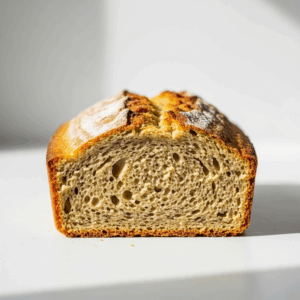
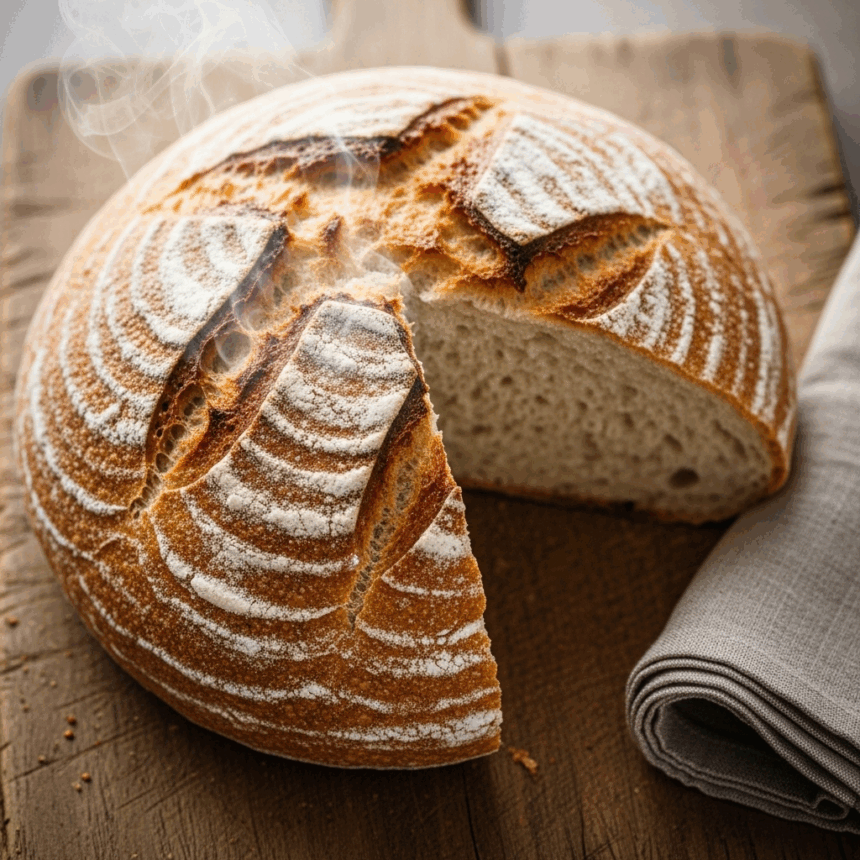
In the ever-evolving world of baking, gluten-free has transformed from a niche necessity into a flourishing trend embraced by creative home cooks and professional bakers alike.But swapping customary wheat flour for gluten-free alternatives doesn’t mean sacrificing texture, flavor, or that perfect rise. The key lies in choosing the right flour, each bringing its own unique qualities to the mix-whether itS the nutty warmth of almond flour, the light fluffiness of rice flour, or the hearty earthiness of chickpea flour. Join us as we explore the top gluten-free flours that not only promise baking success but also elevate your creations with delightful flavors, proving that going gluten-free can be as delicious as it is wholesome.
Top gluten-free flours for baking success and flavor unlock a world of culinary possibilities for those embracing a gluten-free lifestyle or simply seeking new taste horizons. Navigating the vibrant array of gluten-free options-from nutty almond flour to grain-free coconut flour-allows bakers to balance texture and taste, ensuring every bite is both delightful and satisfying. Whether you’re crafting tender cakes, fluffy breads, or crisp cookies, mastering the art of blending flours is your key to flawless results and irresistible flavors.
Prep and Cook Time
- Readiness: 15 minutes
- Cooking/Baking: 30-40 minutes
- Total Time: 45-55 minutes
Yield
- Makes approximately 12 servings
Difficulty Level
- Medium – Ideal for bakers familiar with gluten-free ingredients looking to refine texture and flavor balance
Ingredients
- 1 cup almond flour (finely ground, unblanched for extra richness)
- 1/2 cup tapioca starch (for elasticity and chewiness)
- 1/4 cup coconut flour (adds depth and subtle sweetness)
- 1/4 cup arrowroot powder (helps with lightness and crisp crust)
- 1 tsp baking powder (gluten-free certified)
- 1/2 tsp baking soda
- 1/4 tsp fine sea salt
- 3 large eggs (room temperature)
- 1/2 cup honey or maple syrup (natural sweetness)
- 1/4 cup unsweetened almond milk (for moisture and slight nuttiness)
- 1/4 cup melted coconut oil (adds tenderness)
- 1 tsp pure vanilla extract
Instructions
- Preheat your oven to 350°F (175°C). Line a 9×5-inch loaf pan with parchment paper, allowing some overhang for easy lifting.
- In a large bowl, combine the almond flour, tapioca starch, coconut flour, arrowroot powder, baking powder, baking soda, and sea salt. Whisk together until thoroughly blended and light.
- In a separate bowl,beat the eggs with honey (or maple syrup),almond milk,melted coconut oil,and vanilla extract. Mix until smooth and slightly frothy.
- Gradually fold the wet ingredients into the dry ingredients using a spatula. Mix gently but thoroughly until the batter is uniform-avoid overmixing to keep the texture tender.
- Pour the batter into the prepared loaf pan, spreading it evenly with an offset spatula, smoothing the surface.
- Bake for 35-40 minutes, or until the top turns golden brown and a toothpick inserted into the center comes out clean. Check at 30 minutes to prevent overbaking.
- Remove from oven and cool in the pan for 10 minutes. Then transfer the loaf onto a wire rack to cool completely before slicing-this helps it set perfectly.
- Serve with your favorite toppings or as a base for creative gluten-free treats.
Tips for Success
- Choose fresh flours: Gluten-free flours, especially nut-based, can go rancid quickly. Store them in an airtight container in the fridge.
- Balance is key: Combining nut flours with lighter starches ensures your baked goods aren’t too dense or crumbly.
- Don’t skip the eggs: They provide crucial structure and moisture; for vegan alternatives, use a flaxseed egg (1 tbsp ground flax + 3 tbsp water).
- Moisture adjustments: Coconut flour absorbs more liquid; adjusting almond milk or oil slightly can save your batter from drying out.
- Make ahead: This loaf freezes well-slice and store in freezer bags for rapid breakfasts or snacks.
Serving Suggestions
enjoy slices warm, slathered with a smear of almond butter and a drizzle of local honey for a naturally sweet and nutty experience. For a fresh pop, garnish with thin lemon zest curls and a sprinkle of toasted chopped pecans.This loaf also pairs beautifully with herb-infused cream cheese or whipped coconut cream topped with fresh berries for a dessert twist.
| Nutrient | Per Serving | % Daily Value* |
|---|---|---|
| Calories | 180 kcal | 9% |
| Protein | 6 g | 12% |
| Carbohydrates | 16 g | 5% |
| fat | 12 g | 18% |
*Percent daily values are based on a 2000 calorie diet.

Discover More About Flour Blends
For a deeper dive into combining gluten-free flours for perfect results, explore our Complete Guide to Gluten-Free Flour Blends. Additionally,the Celiac Disease Foundation offers excellent resources and updates about gluten sensitivity and safe ingredients.
Q&A
Q&A: Top Gluten-Free Flours for Baking Success and Flavor
Q1: Why choose gluten-free flours for baking?
A1: Whether you’re baking for health reasons or simply exploring new flavors, gluten-free flours open a world of possibilities. They allow those with gluten sensitivities to enjoy baked goods without discomfort, and they introduce unique textures and tastes that can elevate your recipes beyond the ordinary.


Q2: What makes a gluten-free flour ideal for baking?
A2: A great gluten-free flour balances taste, texture, and baking behavior. It should provide structure and moisture, complement other ingredients, and yield a delicious crumb or crust.Frequently enough, blends of flours work best to mimic the properties of traditional wheat flour.
Q3: Which gluten-free flour is a top choice for general baking success?
A3: Almond flour shines with its moist crumb and rich, nutty flavor. It’s perfect for cakes,muffins,and cookies. Plus, its natural fats contribute to tender baked goods, making it a favorite for bakers seeking both taste and texture.
Q4: What about flours that boost structure in breads and pizzas?
A4: Sorghum and brown rice flours are champions here. Sorghum delivers a mild, slightly sweet flavor and adds softness, while brown rice flour contributes a light texture. Combining these with binding agents like xanthan gum can give your breads the lift and chew they need.
Q5: Can coconut flour be used in all baking recipes?
A5: Coconut flour is wonderfully fragrant and fiber-rich but highly absorbent. It’s best used in small quantities or alongside other flours to avoid dry, dense results. Think of it as a flavor powerhouse that needs a gentle hand!
Q6: Are there any ancient grains making their way into gluten-free baking?
A6: Absolutely! Teff, millet, and buckwheat bring ancient charm and complex flavors. buckwheat,as an example,packs an earthy,robust taste ideal for pancakes and hearty breads,while teff offers a subtle sweetness perfect for delicate pastries.
Q7: how can I create a balanced gluten-free flour blend at home?
A7: Start with a base like brown rice flour for structure, add almond or oat flour for moisture and flavor, and sprinkle in tapioca or arrowroot starch to lighten the texture. Experiment and adjust proportions to suit your palate and baking style.
Q8: Any tips for transitioning recipes from wheat to gluten-free flours?
A8: Patience is key! Gluten-free flours behave differently-absorbing liquids, rising, and browning uniquely. Use binding agents (like xanthan gum or psyllium husk), tweak liquid ratios, and don’t be afraid to test and tweak. Celebrate the delicious discoveries along the way!
Q9: Where’s the best place to buy quality gluten-free flours?
A9: Specialty health food stores, reputable online retailers, and local co-ops ofen stock an exciting variety of gluten-free flours. look for certified gluten-free labels to ensure purity and freshness.
Q10: Can gluten-free flours enhance flavor and also meet dietary needs?
A10: Absolutely! Gluten-free flours invite you to step outside the ordinary. From the nutty depths of almond and buckwheat to the sweetness of teff and the tropical whisper of coconut, these flours transform your bakes into flavorful adventures-proving that gluten-free doesn’t mean flavor-free!
Future Outlook
Baking without gluten doesn’t mean sacrificing flavor or texture. With the right flour at your fingertips-from nutty almond to versatile rice, hearty sorghum to subtly sweet buckwheat-you can craft breads, cakes, and cookies that rise to every occasion. Embracing these top gluten-free flours not only opens the door to delicious creations but also invites you to experiment, blend, and discover your own perfect baking harmony. So,gather your ingredients,trust these flavorful flours,and let your oven work its magic-because gluten-free baking success is just a recipe away.