In a world where dietary choices are as diverse as the flavors on our plates, gluten-free living has transformed from a niche necessity into a vibrant lifestyle embraced by many. Whether you’re navigating gluten sensitivities, managing celiac disease, or simply seeking a fresher, lighter approach to wellness, this guide is your passport to flavorful freedom. “Gluten-Free Living: A Beginner’s Guide to Tasty Wellness” invites you to explore a world where delicious meets nourishing-a place where wholesome ingredients dance together to create meals that delight the senses without compromise. Embark on this journey with us and discover how going gluten-free can open the door to healthier habits, culinary creativity, and a renewed zest for life.
understanding Gluten and Its Impact on Your Health
Gluten-Free living begins with a solid understanding of what gluten is and how it can affect your body. Gluten is a group of proteins found primarily in wheat, barley, and rye. For many, it’s harmless, but for those with celiac disease, gluten sensitivity, or wheat allergies, consuming gluten can trigger a range of symptoms-from digestive upset to chronic inflammation and fatigue.
Choosing gluten-free alternatives not only protects those with medical needs but can also promote digestive wellness and more balanced energy levels. Recognizing hidden sources of gluten-like sauces,processed foods,and even some condiments-is key to maintaining a healthy,vibrant lifestyle. When you embrace Gluten-Free Living, you empower yourself with knowledge that transforms not just your meals but your overall well-being.
Essential Pantry Staples for Delicious Gluten-Free Meals
Creating flavorful gluten-free dishes starts with stocking your pantry smartly. Swapping out customary flours for gluten-free options unlocks a world of creative and hearty meals, from crisp breads to fluffy pancakes. Some pantry must-haves include:
- Gluten-free flours like almond, coconut, brown rice, and oat flour (certified gluten-free)
- Starches such as tapioca, arrowroot, and potato starch to add lightness and crisp texture
- Binders like xanthan gum or psyllium husk powder that hold ingredients together and improve dough elasticity
- Gluten-free pasta and grains including quinoa, millet, and certified gluten-free oats
- gluten-free baking powder and baking soda to ensure fluffiness and rise without hidden gluten
By curating your gluten-free pantry, you set the stage for success, making every recipe approachable and delicious.
Mastering Gluten-Free cooking Techniques for Maximum Flavor
Flavors shine brightest when cooking gluten-free because every ingredient and technique matters more. Here are indispensable tips to elevate your dishes:
- Mix flours thoughtfully: Blending several gluten-free flours balances flavor and texture; as an example, combining nut flours with starches adds moistness and structure.
- Hydrate your doughs well: gluten-free flours absorb liquids differently, so slightly increasing liquid or resting batter before cooking enhances tenderness.
- Don’t skip binders: Ingredients like xanthan gum mimic the elasticity that gluten provides, essential for breads, pastries, and even coatings.
- Use fresh ingredients: Fresh herbs, spices, and acids (like lemon juice or vinegar) boost flavor complexity, elevating naturally mild gluten-free flours.
mastering these fundamentals unlocks the full potential of gluten-free cooking,letting you enjoy meals bursting with taste and texture.
Smart Dining Out Tips to Enjoy Gluten-Free Social Experiences
Eating out while maintaining gluten-free habits should never diminish your social joy.Here’s how to savor every bite safely:
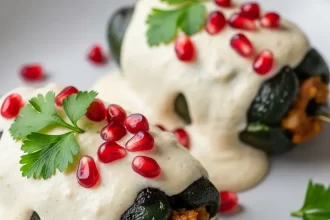
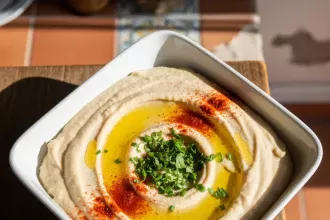
- Do your research: Check restaurant menus online for gluten-free options and read reviews from other gluten-free diners.
- Communicate clearly: Inform servers and chefs about your dietary needs and cross-contamination concerns.
- Opt for naturally gluten-free dishes: Grilled meats, salads without croutons, steamed vegetables, and rice-based dishes are typically safer.
- Be cautious with sauces and dressings: Many contain hidden gluten; always ask for ingredients or request sauces on the side.
- carry snacks: When in doubt, having a trusted gluten-free snack can save the day and keep you pleasant.
With these strategies, your dining experiences become stress-free moments of community and enjoyment.
Recipe Highlight: Gluten-Free Quinoa & Veggie Power Bowl
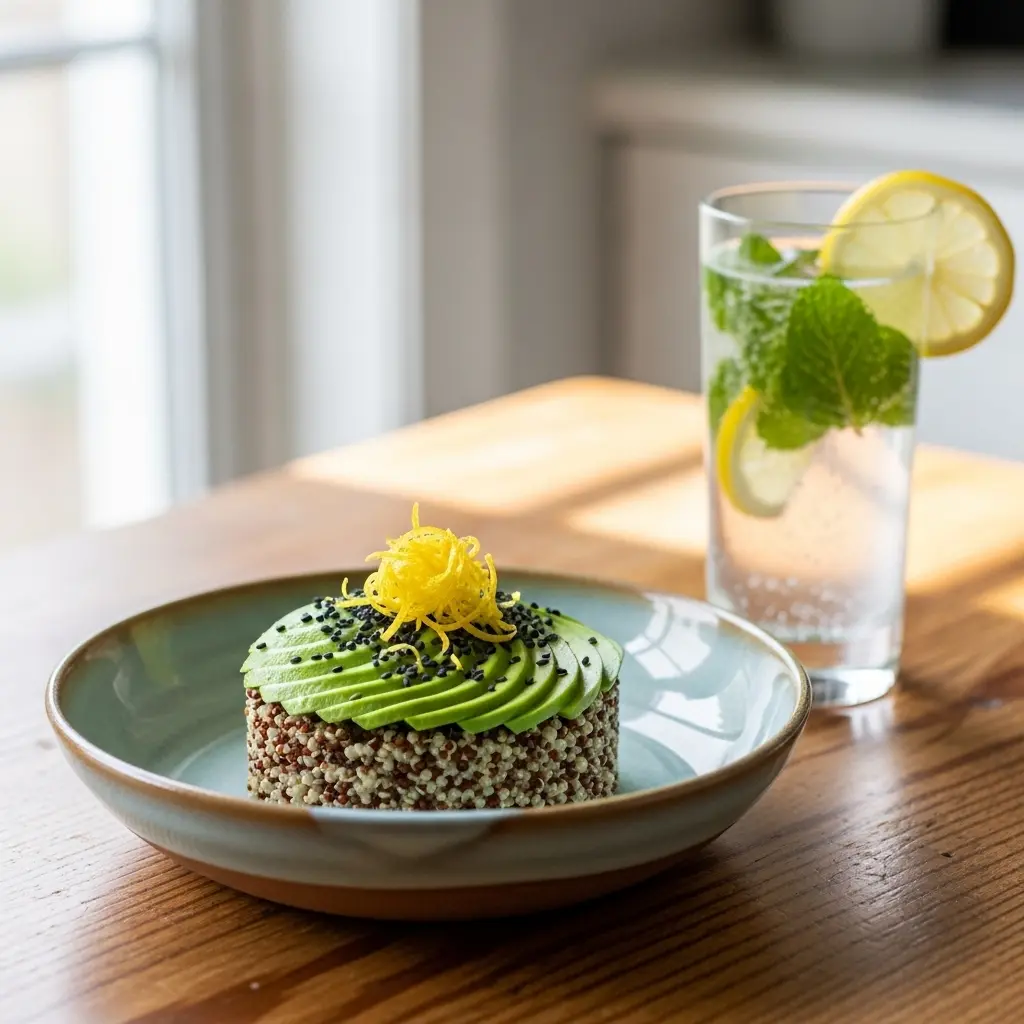
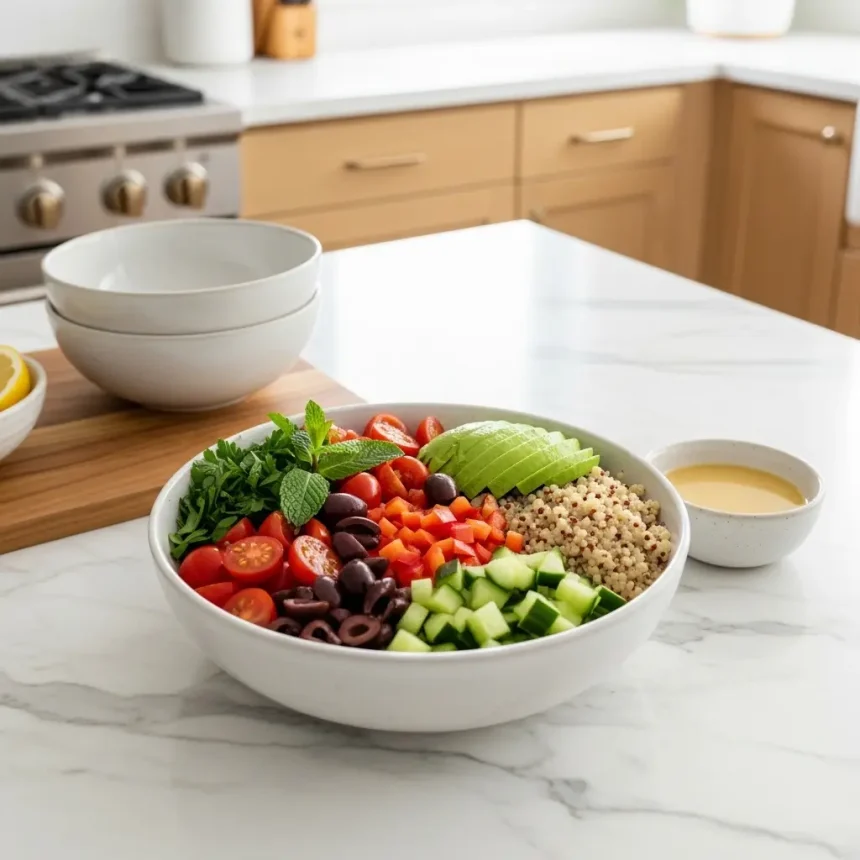
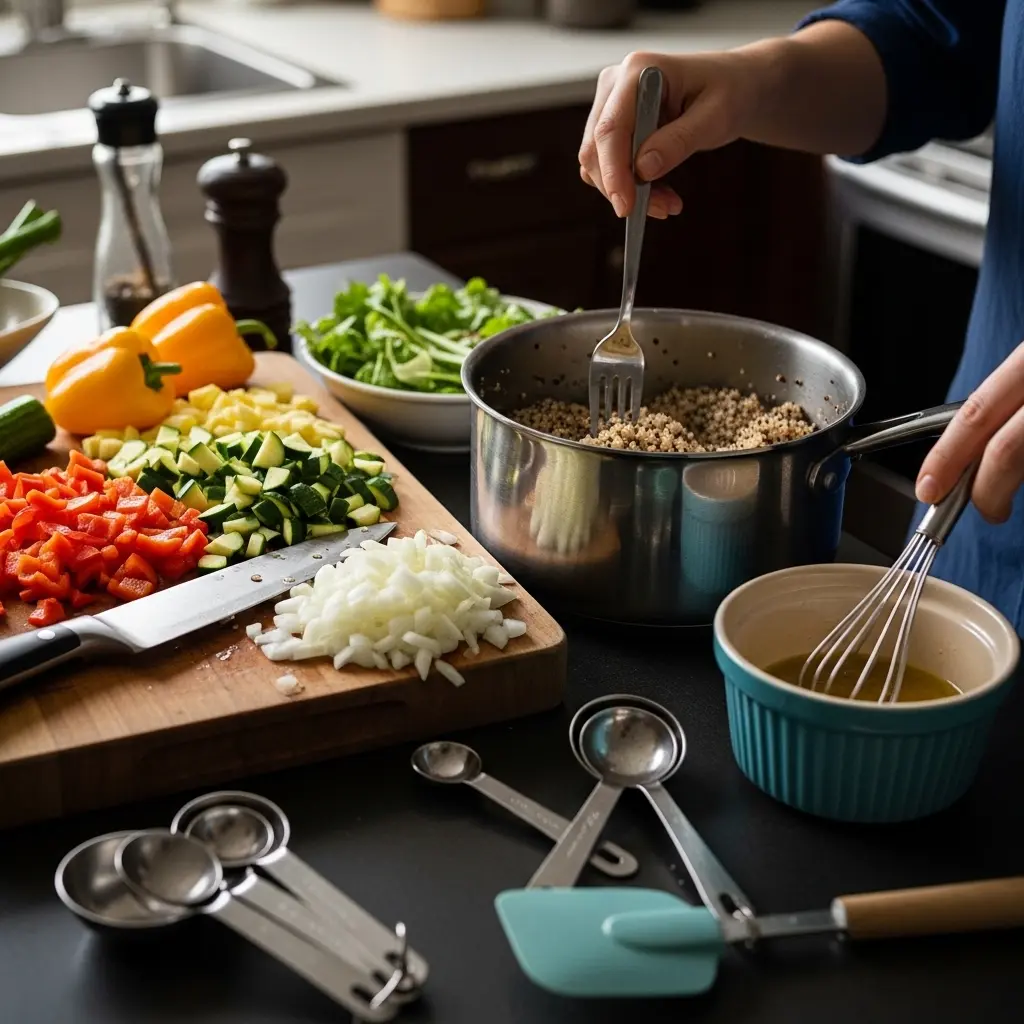
Gluten-Free Living is deliciously exemplified in this vibrant quinoa & Veggie Power Bowl.Inspired by Mediterranean flavors and a desire for nourishing, balanced meals, this dish combines protein-rich quinoa with crisp veggies and a zesty lemon-tahini dressing. It’s perfect for lunch or dinner-easy to prepare, colorful, and packed with texture and nutrients.
Prep and Cook Time
- Prep Time: 15 minutes
- Cook Time: 20 minutes
- Total Time: 35 minutes
Yield
Serves 4 generous portions
Difficulty Level
Easy
Ingredients
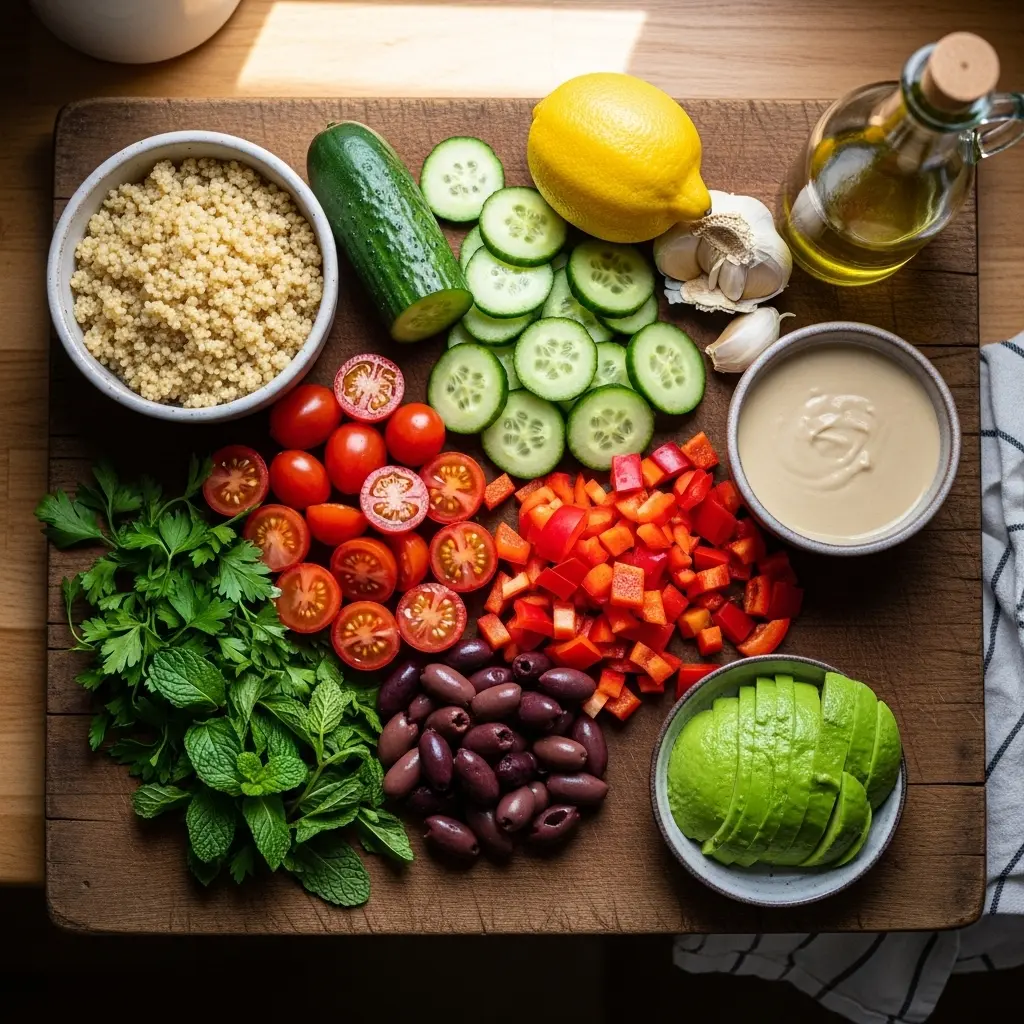
- 1 cup quinoa, rinsed thoroughly
- 2 cups water
- 1 cup cherry tomatoes, halved
- 1 medium cucumber, diced
- 1 red bell pepper, diced
- 1/4 cup fresh parsley, chopped
- 1/4 cup fresh mint, chopped
- 1/2 cup kalamata olives, pitted and sliced
- 1 avocado, sliced
- For the dressing:
- 3 tbsp tahini
- 2 tbsp fresh lemon juice
- 1 tbsp olive oil
- 1 garlic clove, minced
- Salt and pepper to taste
- 2-3 tbsp water (to thin as needed)
Instructions
- Cook the quinoa: In a medium saucepan, bring 2 cups of water to a boil.Add quinoa, reduce heat to low, cover and simmer for 15 minutes until water is absorbed. fluff with a fork and let cool slightly.
- Prepare the dressing: In a small bowl, whisk tahini, lemon juice, olive oil, and garlic until smooth.Slowly add water to reach a creamy pourable consistency. Season with salt and pepper.
- Combine vegetables: In a large mixing bowl,stir together cherry tomatoes,cucumber,red bell pepper,parsley,mint,and olives.
- Assemble the bowl: Add cooled quinoa to the veggies and pour dressing over. Toss gently to coat evenly.
- Serve with avocado: Top each serving with fresh avocado slices and an optional drizzle of extra olive oil or a sprinkle of toasted sesame seeds for crunch.
- Enjoy instantly: Or chill for 30 minutes to let flavors meld beautifully before serving.
Chef’s Notes
- Substitutions: Swap quinoa with gluten-free millet or buckwheat groats for variation.
- Make-ahead: Prepare quinoa and dressing in advance; combine all ingredients just before serving.
- Boost protein: Add grilled chicken, chickpeas, or crumbled feta cheese (if dairy is tolerated).
- Avoid bitterness: Rinse quinoa well before cooking to reduce natural bitterness.
- Ingredient tip: Use fresh herbs to brighten the bowl; dried herbs won’t provide the same vibrant flavor.
Serving Suggestions
Present this colorful power bowl in clear glass bowls to showcase the vibrant layers. Garnish with lemon zest, microgreens, or a sprinkle of toasted pumpkin seeds for texture and visual appeal. Pair with a crisp, chilled white wine or sparkling water infused with fresh mint for a refreshing accompaniment.
| Nutrient | Per Serving |
|---|---|
| Calories | 320 |
| Protein | 9g |
| Carbohydrates | 38g |
| Fat | 12g |
To dive deeper into gluten-free cooking, visit our complete guide on gluten-free baking techniques. For medical insights about gluten intolerance, see this comprehensive resource from the Celiac Disease Foundation.
Q&A
Q&A: Gluten-Free Living: A Beginner’s Guide to Tasty Wellness
Q1: What exactly does ”gluten-free” mean?
A1: Going gluten-free means avoiding gluten-a group of proteins found primarily in wheat, barley, and rye. For some, it’s a necessity due to celiac disease or gluten sensitivity, while others choose it as a path to digestive wellness and clearer energy. Think of it as switching lanes to a road less traveled, where you get to explore fresh, wholesome ingredients without the gluten bump.
Q2: Why should someone consider a gluten-free lifestyle if they don’t have celiac disease?
A2: Even if you don’t have a diagnosed gluten issue, many find that cutting out gluten reduces bloating, fatigue, or brain fog. It’s like giving your gut an early morning stretch-easier digestion and a potential mood lift. Plus, it nudges you toward whole, unprocessed foods, which is always a tasty win.
Q3: Is eating gluten-free expensive or tough?
A3: It can seem that way at first-gluten-free specialty products often cost more-but the secret is in simplicity.Fresh fruits, vegetables, beans, nuts, and naturally gluten-free grains like quinoa or rice can keep meals affordable, colorful, and downright delicious. Once you get creative, you’ll find gluten-free living feels less like a chore and more like a culinary adventure.
Q4: How do I avoid hidden gluten in everyday foods?
A4: Gluten is a crafty ingredient sneaking into soups, sauces, and even candies. The best toolkit? Read labels with eagle eyes, learn gluten aliases (like malt or triticale), and when dining out, don’t hesitate to ask chefs about their ingredients. Pro tip: embracing naturally gluten-free whole foods is the easiest way to dodge sneaky gluten.Q5: Can gluten-free food really taste good, or is it a compromise?
A5: Absolutely it can! Gluten-free isn’t a sacrifice-it’s a culinary rewrite. Nutty quinoa bowls, fluffy chickpea pancakes, crispy roasted veggies, and decadent flourless chocolate cake are just a few stars on the gluten-free menu. With a dash of creativity and some inspiring recipes, your taste buds will be dancing in delicious harmony.
Q6: What’s the best way for beginners to start a gluten-free journey?
A6: Start simple. Clean out gluten-heavy staples, stock your pantry with gluten-free essentials, and experiment with one new recipe a week. Focus on fresh produce and whole foods to build confidence. And remember, it’s a marathon, not a sprint-each small step brings you closer to vibrant, tasty wellness.
Q7: Are there any common pitfalls beginners should watch out for?
A7: Yes! One is relying too heavily on processed gluten-free substitutes loaded with sugars and fats. Another is not getting enough fiber,which can happen if you skip whole grains without replacing them adequately. Keeping meals balanced and varied will keep your gut-and your energy-happy.
Q8: How does gluten-free living impact overall wellness beyond digestion?
A8: Many report clearer skin, better sleep, and even improved focus.Removing gluten can reduce inflammation for some, smoothing out not just digestive waves but ripples across overall health. It’s like tuning a finely crafted instrument-your body starts to play a sweeter, more balanced tune.
Q9: Can kids thrive on a gluten-free diet?
A9: Absolutely. Kids can enjoy all the joys of food with gluten-free options-think colorful veggie-packed mini pizzas on gluten-free crusts or oatmeal banana pancakes. Just ensure their diet is balanced and consult with a pediatrician or dietitian to cover all nutritional bases.
Q10: Where can beginners find support and inspiration?
A10: The gluten-free community is vibrant and welcoming! Online forums, social media recipe stars, local support groups, and even cooking classes can provide encouragement and creative sparks. Remember, you’re part of a growing movement toward tasty, mindful living.
With these answers in hand, your gluten-free journey moves from “What if?” to “what’s next?”-a flavorful path to wellness that invites both your palate and your health to celebrate.
final Thoughts
Stepping into the world of gluten-free living need not be daunting. With a little curiosity and creativity, your journey toward tasty wellness can become an inspiring adventure rather than a restriction. Embracing gluten-free choices opens doors to nourishing ingredients, exciting flavors, and mindful eating habits that celebrate your health and happiness. Remember,the path to well-being is uniquely yours-season it generously with patience,experimentation,and a dash of joy. Here’s to savoring every bite, discovering new favorites, and thriving in your gluten-free lifestyle!