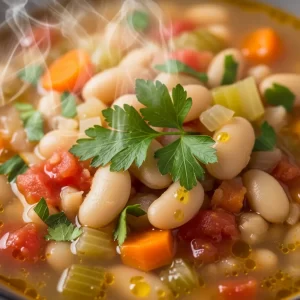
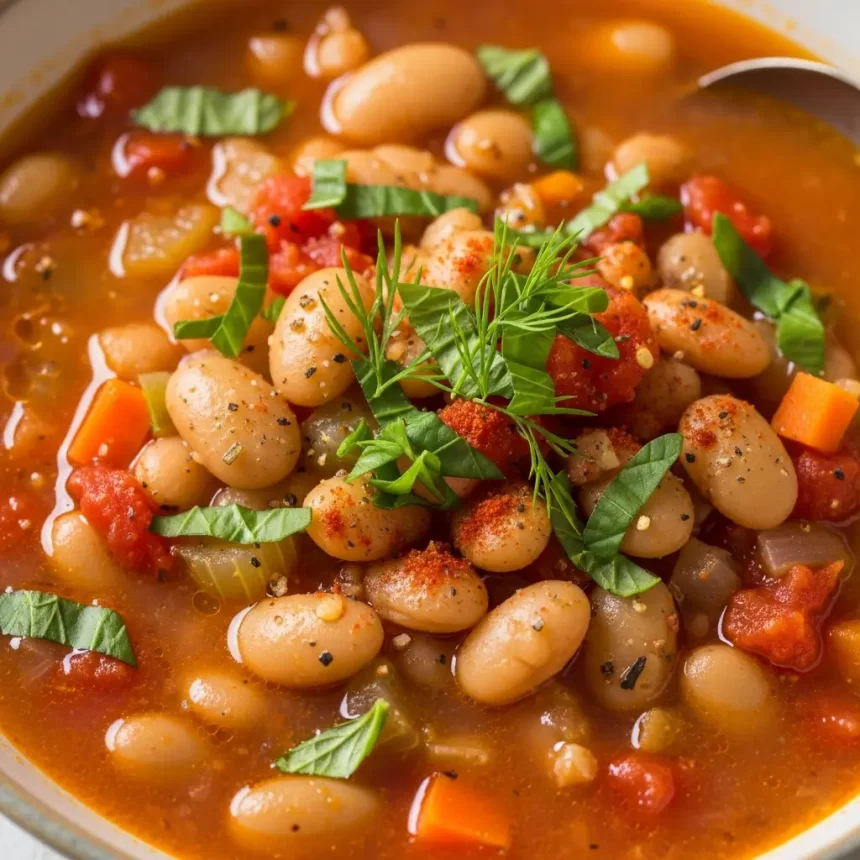
Step into the heart of Greek cuisine, where tradition simmers in every pot and history is served by the ladle.Fasolada,often hailed as Greece’s national dish,is much more than a humble white bean soup-it’s a flavorful emblem of the Mediterranean’s sun-soaked shores and ancient kitchens. Combining simple, wholesome ingredients like tender beans, ripe tomatoes, fragrant herbs, and golden olive oil, fasolada has nourished generations with its rich taste and comforting warmth. In this article, we unveil the stories, secrets, and cultural meaning behind this timeless classic, inviting you to discover why Fasolada remains a beloved staple on Greek tables both past and present.
Fasolada, Greece’s classic white bean soup, is the heartwarming essence of Greek culinary tradition. This humble yet hearty dish has nourished families for centuries, often called the “national food” of Greece, beloved for its simplicity and deeply satisfying flavors. Its roots trace back to ancient times when beans symbolized prosperity and health, reflecting the Greek ethos of wholesome, rustic, and communal eating. Every spoonful tells a story of sun-drenched hillsides, olive groves, and the Mediterranean way of life that celebrates sharing good food among loved ones.
Prep and Cook Time
- Readiness: 15 minutes
- Soaking Beans: 8 hours or overnight (can use fast soak)
- Cooking: 1 hour 15 minutes
- Total Time: Approximately 2 hours 30 minutes
Yield
- Serves 6 generous portions
Difficulty Level
- Easy to Medium – perfect for beginners and seasoned cooks alike
Ingredients for Authentic Fasolada
- 1 1/2 cups dried white beans (preferably cannellini or Great Northern, soaked overnight and drained)
- 1/4 cup extra virgin olive oil, plus a drizzle for serving
- 1 large onion, finely chopped
- 2 medium carrots, diced
- 2 celery stalks, diced
- 4 garlic cloves, minced
- 2 tbsp tomato paste
- 6 cups water or vegetable broth
- 1 bay leaf
- 1 tsp dried oregano
- Salt and freshly ground black pepper, to taste
- Fresh parsley, chopped, for garnish
- Optional: A squeeze of fresh lemon juice or red wine vinegar for brightness
Step by step Guide to crafting the perfect Hearty Bean Soup
- Prepare the Beans: Rinse the soaked white beans under cold water. Drain well.
- Sauté Aromatics: In a large pot, heat the olive oil over medium heat. Add the chopped onion, carrots, and celery. Sauté until they soften and begin to turn golden,about 7 minutes,stirring occasionally.
- Add Garlic and Tomato Paste: Stir in the minced garlic and cook for 1 minute until fragrant. Then mix in the tomato paste, cooking for 2 minutes to deepen the flavor.
- Combine beans and Liquid: Add the drained beans to the pot. Pour in 6 cups of water or vegetable broth. Toss in the bay leaf and dried oregano.
- Simmer Gently: Bring the soup to a boil, then lower the heat to a gentle simmer. Cover partially and cook for 1 to 1.5 hours until the beans are tender but not mushy.
- Season Thoughtfully: Remove the bay leaf. Season the soup with salt and freshly ground black pepper to taste. if the soup is too thick, add more water or broth to reach your preferred consistency.
- Finishing Touches: For a classic Greek touch, drizzle extra virgin olive oil over each serving and sprinkle with freshly chopped parsley. Optionally, a squeeze of lemon juice or a splash of red wine vinegar elevates the brightness and depth.
Expert Tips for Enhancing Flavor and Serving Suggestions
- Soaking beans: Though overnight soaking is ideal, a quick soak method (boil beans for 5 minutes and let sit for 1 hour) will work in a pinch.
- Flavor Layering: don’t rush the sauté of vegetables; this caramelization step builds rich, nuanced flavors essential to authentic fasolada.
- Tomato Paste Quality: Use a high-quality,concentrated tomato paste-it’s the backbone of the soup’s subtle sweetness and umami.
- Consistency: The soup should be thick yet brothy. To achieve creaminess without cream, mash a few beans with the back of a spoon during the last 10 minutes of cooking.
- Make Ahead: Like many customary stews, fasolada tastes even better the next day. Store in the fridge up to 3 days or freeze in individual portions for up to 2 months.
- Vegetarian and Vegan Friendly: This dish shines on its own but can be adapted with smoked paprika or a bit of kombu seaweed during cooking for depth without meat.
- Serving Suggestions: Serve hot with thick crusty bread or traditional Greek village bread (psomi). A side of fresh olives, feta cheese, or a crisp horiatiki salad complements the meal beautifully.
Nutritional Facts (per serving)
| Calories | Protein | Carbs | Fat |
|---|---|---|---|
| 320 kcal | 18 g | 45 g | 7 g |
To deepen your understanding and recognition of Mediterranean bean dishes, explore our related guide on Mediterranean Lentil Soup Recipes.
For past context on legumes in ancient diets,visit Encyclopaedia Britannica.

Q&A
Q&A: Fasolada – Greece’s Classic White Bean Soup Unveiled
Q1: What exactly is Fasolada?
A1: Fasolada is often called the “national dish” of Greece-a rustic, hearty white bean soup that’s as comforting as a warm embrace. made primarily with white beans,tomatoes,olive oil,and aromatic vegetables,it’s a soulful blend of simplicity and flavor,deeply rooted in Greek culinary tradition.
Q2: Why is Fasolada so meaningful in greek culture?
A2: Beyond being a beloved recipe, fasolada embodies Greek values of frugality, community, and nourishment. Historically, it was a staple during Lent and times of scarcity, symbolizing resilience and the ability to create something delicious from humble ingredients. Sharing a pot of Fasolada is a celebration of togetherness and heritage.Q3: What are the essential ingredients that give Fasolada its distinctive flavor?
A3: The magic of Fasolada lies in its few, quality ingredients-tender white beans (usually cannellini or great northern beans), ripe tomatoes or tomato paste, copious amounts of extra virgin olive oil, onions, carrots, celery, and fragrant herbs like bay leaves and parsley. Garlic and sometimes a splash of vinegar or lemon juice add depth and brightness.



Q4: How is Fasolada traditionally prepared?
A4: Traditionally, the beans are soaked overnight to soften, then simmered slowly with sautéed vegetables and tomatoes to develop a thick, hearty broth. The slow cooking allows the flavors to meld beautifully, and the olive oil creates a luscious richness that coats every spoonful.It’s usually served with crusty bread and a drizzle of olive oil.
Q5: Are there regional variations of Fasolada within Greece?
A5: Absolutely! While the core remains the same, some regions add local twists-like smoked meats or different herbs-to enhance the flavor. Coastal areas might include fragrant herbs from the sea air, while mountain villages might add a hint of spicy pepper. Though, the soul of Fasolada stays the comforting white bean base.
Q6: How does fasolada fit into a modern diet?
A6: Fasolada is incredibly versatile and nutritious-a powerhouse of plant-based protein and fiber, perfect for vegetarians, vegans, or anyone seeking wholesome comfort food. It pairs wonderfully with fresh salads or grilled vegetables, making it a timeless and healthful addition to contemporary dining.
Q7: Can Fasolada be made in a hurry, or is it a slow-cooked affair?
A7: While traditionalists advocate for slow simmering to unlock full flavors, modern kitchens can speed up the process with pressure cookers or canned beans. The essence remains the same-rich, hearty, and soul-soothing-proving that age-old recipes can adapt without losing their heart.
Q8: What’s the best way to enjoy Fasolada?
A8: Fasolada is best served warm, ideally as a shared dish among friends and family. Pair it with a glass of robust red wine or chilled Greek white wine, and finish with a sprinkle of fresh herbs and a squeeze of lemon. Whether on a chilly winter’s night or a breezy spring evening, Fasolada invites you to slow down and savor every spoonful.
Dive into the history, savor the simple ingredients, and experience why Fasolada remains a timeless symbol of Greek hospitality and culinary soul. Bon appétit – or as the Greeks say, καλή όρεξη!
The Way Forward
As the steam rises gently from a warm bowl of fasolada, we’re reminded that this humble white bean soup is much more than a traditional Greek dish-it’s a comforting embrace from a rich cultural heritage. Infused with the simplicity of fresh ingredients and the depth of centuries-old family recipes, fasolada invites us to savor not just its hearty flavors, but the stories and spirit of Greece itself. Whether enjoyed on a chilly evening or shared around a bustling table, fasolada remains a timeless testament to the power of food to nourish both body and soul. So next time you seek a taste of Greece’s culinary heart, let fasolada be your delicious guide.