In the bustling aisles of grocery stores, nutrition labels can feel like cryptic codes-especially when you’re committed to cracking the keto lifestyle. “Decoding Keto: Mastering Nutrition Labels for Low-Carb Wins” is your essential guide to turning those tiny print details into powerful tools for success. Whether you’re a keto newbie or a seasoned fat-burner,understanding what lurks behind the numbers and ingredients is key to staying in ketosis and fueling your body right. Ready to become a label detective and make smart, low-carb choices with confidence? Let’s unravel the mysteries together and transform your shopping routine into a strategic keto victory.
Decoding Keto: Mastering Nutrition Labels for Low-Carb Wins begins with a keen understanding of how macros translate into your daily nutritional targets. when you first glance at a label, the numbers can feel overwhelming-but onc you know what to look for, spotting hidden carbs and interpreting ingredient lists becomes second nature.
Prep and Cook Time
- Prep Time: 10 minutes
- Cook Time: 15 minutes
Yield
Serves 2 hearty portions
Difficulty Level
Easy
Ingredients
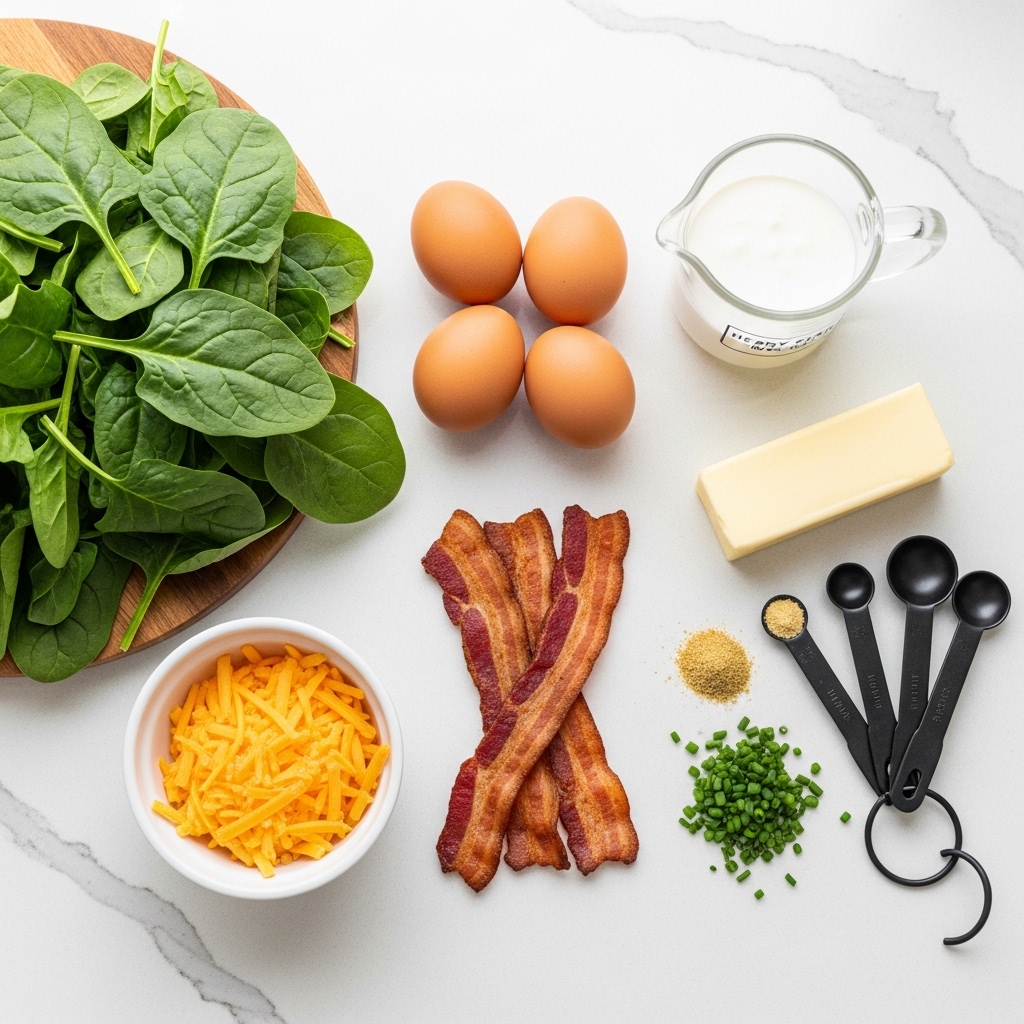
- 1 cup fresh spinach, roughly chopped
- 2 large eggs, pasture-raised for maximum nutrition
- 1/4 cup shredded sharp cheddar cheese
- 2 tbsp heavy cream
- 1 tbsp butter, unsalted
- 2 slices bacon, cooked until crisp and chopped
- Salt and freshly cracked black pepper, to taste
- 1/4 tsp garlic powder
- 1 tsp fresh chives, finely chopped (optional garnish)
Instructions
- whisk together the eggs and heavy cream in a medium bowl until the mixture is smooth and slightly frothy. Season with salt, pepper, and garlic powder.
- melt butter in a non-stick skillet over medium heat until shimmering.
- Add chopped spinach and sauté until wilted and tender, about 2 minutes, stirring frequently to avoid burning.
- Pour the egg mixture over the spinach in an even layer, reducing heat to low.
- Sprinkle the shredded cheddar and crispy bacon pieces evenly over the eggs.
- cook gently without stirring until the edges set and the centre is nearly firm but still slightly runny, about 4-5 minutes.
- Fold the omelette in half with a spatula and cook another minute until cheese melts and eggs are cooked thru, but still moist.
- Slide the omelette onto plates and garnish with fresh chives for a pop of color and subtle onion flavor.
Chef’s Notes
- Swap cheddar for feta or goat cheese for tangy flavor variations that stay keto-amiable.
- For added fat, drizzle with avocado oil or a dollop of sour cream after plating.
- Feeling adventurous? Add sautéed mushrooms or diced jalapeños in Step 3 to amp up texture and flavor.
- This omelette reheats well in a low oven or microwave, making it perfect for meal prep and busy mornings.
Serving Suggestions
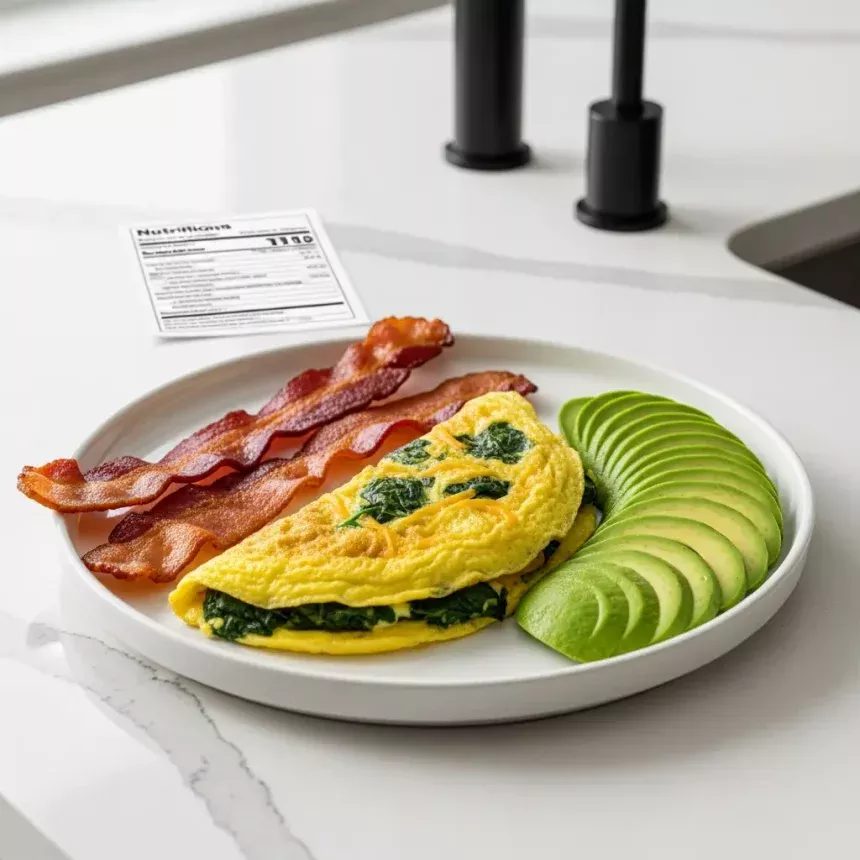
Pair this vibrant, protein-packed omelette with a crisp avocado salad drizzled with lemon vinaigrette for a refreshing keto meal. Garnish with freshly ground pepper and a sprinkle of smoked paprika to awaken the senses and elevate presentation.

| Nutrient | per Serving |
|---|---|
| Calories | 320 |
| Protein | 22g |
| Net Carbs | 3g |
| Fat | 25g |
Spotting Hidden Carbs: A key to Decoding Keto: Mastering Nutrition Labels for Low-Carb Wins
When you read nutrition labels, always subtract fiber and sugar alcohols from total carbs to find net carbs-the true figure impacting ketosis. Beware of sneaky ingredients like maltodextrin or dextrose listed under “added sugars,” as they can sabotage your macros.



Interpreting Ingredient Lists for Keto-Friendly Choices
Prioritize whole food ingredients and avoid those with complex names you can’t pronounce. If “flour” or “starch” appears, that item likely carries hidden carbs. Choosing products with minimal additives ensures your recipe aligns with your low-carb goals.
Smart Shopping Tips to Keep Your Low-Carb Plan on Track
Create a list centered on fresh vegetables,quality proteins,and healthy fats. Don’t shy away from specialty keto ingredients like almond flour or erythritol but read labels carefully-some brands sneak in non-keto fillers. Shopping the perimeter of the store usually yields the best low-carb staples.
For deeper insights on low-carb ingredient swaps and keto meal prep techniques, explore our Ultimate Keto meal Prep Guide.
Additionally, visit the Healthline Keto Guide for authoritative tips on maintaining carb balance successfully.
Q&A
Q&A: Decoding Keto – Mastering Nutrition Labels for Low-Carb wins
Q1: What makes reading nutrition labels essential for a keto lifestyle?
A1: Think of nutrition labels as your keto compass. While the diet emphasizes low carbs and high fats, not all “low-carb” foods are truly keto-friendly. Labels help you spot hidden sugars, unexpected carbs, and misleading ingredient lists – keeping your macros on point and your ketosis unshaken.
Q2: which specific numbers on a nutrition label should a keto warrior focus on?
A2: The holy trinity for keto enthusiasts is Total Carbohydrates, Dietary Fiber, and Net Carbs (if provided). Since fiber doesn’t spike blood sugar, subtract it from total carbs to calculate Net Carbs-the true figure that impacts ketosis. Also, keep an eye on Total Sugars and Sugar Alcohols, which sometimes can affect blood glucose.
Q3: Why are net carbs crucial, and how do I calculate them if not listed?
A3: Net carbs equate to the digestible carbs that influence blood sugar. They’re calculated as:
Net Carbs = Total Carbohydrates – Dietary Fiber – Sugar Alcohols (sometimes fewer impact carbs)
Mastering this formula is like unlocking a keto cheat code that ensures you stay within your daily carb budget.
Q4: Can some fats be tricky on the keto diet?
A4: Absolutely! While keto loves fats,prioritize healthy sources like avocado,olive oil,and nuts. Nutrition labels listing trans fats or hydrogenated oils are red flags-these processed fats can sabotage your health and stall progress. Also,watch out for added oils hidden in processed foods.
Q5: How do serving sizes influence keto tracking?
A5: Serving sizes are subtle saboteurs if overlooked. A label might say 3g net carbs per serving, but people frequently enough consume multiple servings unknowingly. Always double or triple-check how many servings you’re actually eating – a quick math step that prevents sneaky carb overloads.
Q6: Are there keto-friendly “hidden carb” culprits on labels to watch out for?
A6: Yes! Ingredients like maltodextrin, dextrose, and syrups often masquerade as harmless additives but pack a carb punch. Also, beware of “natural flavors” or “spices” which might mask sugar derivatives. When in doubt, err on the side of caution.
Q7: How can mastering labels boost long-term keto success?
A7: Beyond avoiding carb pitfalls, understanding labels empowers you to make savvy snack and meal choices, decoding marketing jargon and ingredient lists alike. It transforms grocery shopping from a guessing game into a strategic keto victory march – fueling your body wisely and sustaining momentum.
Q8: Any quick tips for keto label reading beginners?
A8: Start with these: always flip the package, compare similar products to find the lowest net carbs, familiarize yourself with common keto-friendly ingredients, and keep a carb counter app handy. With practice, label reading becomes second nature – your secret weapon in the low-carb arena.
Master label literacy,and you’re not just buying food – you’re crafting a keto lifestyle. Turn each grocery trip into a low-carb win with confidence, clarity, and a sprinkle of nutritional savvy!
To Conclude
As you embark on your keto journey, let nutrition labels become your trusted map rather than a confusing maze. By mastering the art of reading these labels, you empower yourself to make informed choices that keep your carb count in check and your health goals within reach. Remember, every ingredient and every number tells a story – one that can lead you closer to low-carb success. So next time you pick up a package, decode with confidence, and turn those labels into your secret weapon for mastering keto, one savvy choice at a time.