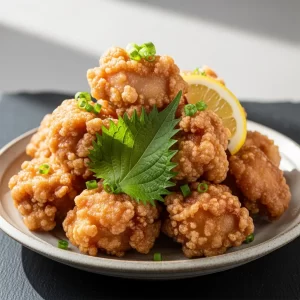
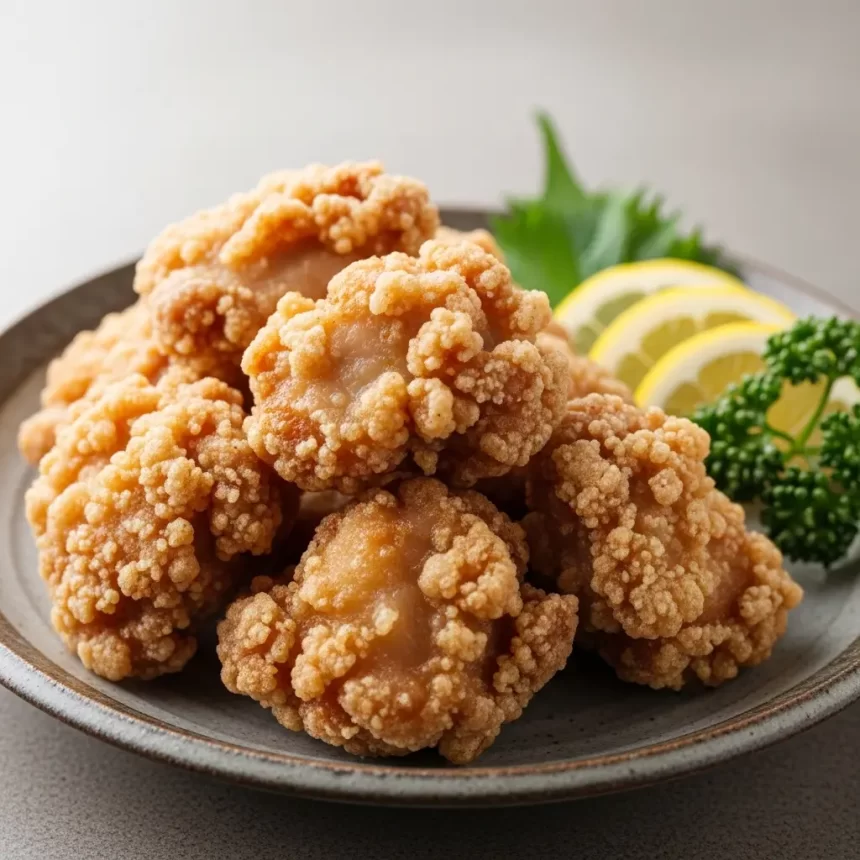
In the vibrant tapestry of Japanese cuisine, few dishes capture the perfect harmony of flavor and texture quite like chicken karaage. This crispy delight, with its golden-brown crust and juicy, tender interior, has become a beloved staple not just in Japan but around the world. Beyond its mouthwatering taste, karaage embodies a rich culinary tradition that blends simple ingredients with meticulous technique. Join us as we explore the origins, variations, and cultural significance of japan’s iconic chicken karaage – a bite-sized treasure that continues to delight food lovers everywhere.
Crispy Delight: Exploring Japan’s Iconic Chicken Karaage invites you into a world where tender chicken pieces meet an irresistibly crunchy coating, embodying a dish cherished across Japan’s diverse culinary landscape. Originating from the fusion of Japanese cooking with influences from Chinese deep-frying techniques, chicken karaage has become a beloved comfort food that fills streets, homes, and izakayas alike with its warming aroma and satisfying texture.
Prep and Cook Time
- Readiness: 20 minutes
- Marinating: 30 minutes (recommended)
- Cooking: 10 minutes
- Total: 60 minutes
Yield
Serves 4 generous portions
Difficulty Level
Medium – Perfect for home cooks ready to elevate their frying skills
Essential Ingredients and Techniques for Authentic Flavor
- 500g boneless chicken thighs, cut into bite-sized pieces (thighs provide juiciness)
- 2 tablespoons soy sauce (for deep umami)
- 1 tablespoon sake (adds subtle sweetness and tenderizes)
- 1 tablespoon grated ginger (key aromatic element)
- 2 cloves garlic, minced (for savory depth)
- 1 teaspoon sesame oil (optional, for nuttiness)
- 1 cup potato starch or cornstarch (ensures ultra-crisp crust)
- Vegetable oil for deep frying (enough to submerge pieces)
- Lemon wedges and shredded cabbage for garnish and serving
Step-by-Step Instructions
- combine the marinade: In a bowl, whisk together soy sauce, sake, grated ginger, minced garlic, and sesame oil.
- Marinate chicken: Add chicken pieces and toss until fully coated. Cover and refrigerate for 30 minutes to allow flavors to infuse deeply.
- Prepare coating: Place the potato starch in a shallow dish. Remove chicken from marinade shaking off excess liquid, then dredge each piece thoroughly in the starch to coat evenly.
- Heat oil: Fill a deep skillet or fryer with vegetable oil to about 2 inches deep. Heat to 170°C (340°F) – a perfect temperature for frying without burning.
- Fry chicken in batches: Carefully place coated chicken pieces in hot oil, frying for 5-6 minutes per batch. Stir gently occasionally to prevent sticking, cooking until pieces turn a rich golden brown.
- Drain and rest: Use a slotted spoon to remove karaage and place on paper towels to absorb excess oil.
- Second fry for crispiness: For an extra crunch, briefly fry the chicken again at 190°C (375°F) for 30 seconds to 1 minute.
- Serve hot: Arrange karaage on a plate with lemon wedges and shredded cabbage for a classic presentation.
Tips for Success
- Chicken selection: Using thigh meat instead of breast yields juicier, more flavorful karaage.
- Marinating time: Don’t rush it. The longer chicken soaks in the gingery soy marinade (up to 2 hours), the more intense the flavor.
- Potato starch advantage: It creates a lightweight, crackly crust compared to plain flour or cornstarch.
- Oil temperature control: Use a thermometer to maintain consistent heat for an evenly fried crust and tender inside.
- Make ahead: Karaage tastes best fresh but can be frozen after frying and reheated in a hot oven or air fryer.
Serving Suggestions
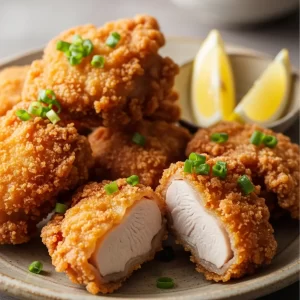
Present your crispy chicken karaage alongside steamed white rice or a zesty Japanese-style potato salad. A squeeze of fresh lemon brightens each bite beautifully, and pairing with shredded cabbage adds a refreshing crunch. For an authentic touch, serve with a side of soy mayo or a tangy ponzu dip. Garnish with chopped scallions or shichimi togarashi (seven-spice chili powder) for exciting layers of flavor and color.
| Nutritional Info (per serving) | Calories | Protein | Carbs | fat |
|---|---|---|---|---|
| Chicken Karaage | 320 kcal | 28g | 15g | 18g |
Top Spots in Japan to Savor the Ultimate Chicken Karaage Experience
Sampling chicken karaage in Japan is a culinary pilgrimage. The city of Kure in Hiroshima prefecture is famously dubbed “Karaage Town,” where dozens of specialized shops craft distinct regional versions, from soy-intensive to spicy renditions. Another beloved destination is Tokyo’s fried food stalls in Asakusa, where freshly fried karaage pairs perfectly with vibrant street vibes. Exploring these spots offers insight into how this crispy delight transcends mere comfort food to become a cultural icon embodying festivity and everyday joy.
Q&A
Q&A: Crispy Delight – Exploring Japan’s Iconic Chicken Karaage

Q1: what exactly is Chicken Karaage?
A: Chicken Karaage is Japan’s beloved bite-sized fried chicken, celebrated for its irresistibly crispy exterior and juicy, flavorful interior. Unlike typical fried chicken, karaage features bite-sized pieces of chicken marinated in a blend of soy sauce, ginger, garlic, and sake, then lightly coated with potato starch or flour before deep-frying to golden perfection. It’s the epitome of crunchy comfort food with a uniquely Japanese twist.
Q2: Where did Karaage originate?
A: While deep-frying techniques came to Japan through Portuguese influence in the 16th century, karaage as we know it today evolved over centuries, blending foreign frying methods with local Japanese flavors. It became a staple in home cooking and izakayas (Japanese pubs) across the country, eventually cementing its place as an iconic Japanese dish that feels both classic and contemporary.
Q3: How is Karaage different from other fried chicken dishes around the world?
A: The magic lies in its marinade and coating. Karaage uses a light coating of potato starch, which crisps up thinner and lighter than the heavy batter or breading typical in Western fried chicken. the marination imparts depth-a subtle umami richness with hints of ginger and garlic-making each bite fragrant and complex,not just crispy and salty. It strikes a delicate balance between tenderness inside and crunch outside.
Q4: What makes Karaage so addictive and popular in Japan?
A: Karaage hits that perfect trifecta: savory seasoning,addictive crunch,and juicy tenderness. It’s also incredibly versatile-served as a snack with beer, a lunchbox star alongside rice, or part of a festive meal. Its portability and bold flavors resonate with all generations. Plus,the ritual of sharing karaage over drinks or at festivals brings people together,making it a symbol of conviviality and comfort.
Q5: Can you find Karaage outside Japan?
A: Absolutely! Thanks to Japan’s global cultural reach, karaage has popped up worldwide-from trendy Asian fusion restaurants in New York to casual street stalls in London. While recipes vary, true karaage lovers seek out the authentic marinade and that delicate, crunchy coating. It’s a global ambassador of Japanese home-style cooking,reminding us that simple ingredients,patience,and technique create extraordinary flavor.Q6: Any tips for making perfect Karaage at home?
A: For crispy success, marinate the chicken for at least 30 minutes (overnight for deeper flavor). Use fresh potato starch for that signature crunch, and heat your oil to about 170-180°C (340-360°F) for even frying. Twice frying the chicken-briefly at lower heat, then again at higher temperature-ensures extra crispness without drying out the meat. Serve promptly with a wedge of lemon or Japanese mayo for the authentic experience!
Q7: What sides or accompaniments go best with Karaage?
A: Karaage pairs wonderfully with simple sides like shredded cabbage, rice, or pickled vegetables to cut through the richness. A squeeze of fresh lemon brightens each bite, and a dollop of creamy Japanese mayo adds a luscious contrast. In izakayas, it’s often enjoyed alongside cold beer or sake, completing the sensory dance of textures and flavors.
Q8: Why is Chicken Karaage considered an iconic Japanese comfort food?
A: Karaage embodies the Japanese ethos of transforming humble ingredients through careful technique and balance. It’s food that feels like a warm hug-nostalgic, satisfying, and joyfully crunchy. Whether enjoyed at a bustling street festival or in the quiet of one’s home kitchen, karaage delivers comfort, communal spirit, and a taste of japan’s culinary heart in every bite.
In Retrospect
As the last crunch of chicken karaage lingers on your palate, it’s clear that this beloved Japanese dish is more than just a snack-it’s a crispy celebration of heritage, technique, and flavor. From its humble origins to its place on both street carts and upscale menus, karaage invites us to savor the art of frying with a uniquely Japanese twist. Whether enjoyed alongside a bowl of steaming rice, dipped in tangy sauces, or simply savored solo, each bite is a crispy delight that tells a story of culture and craftsmanship. So next time you crave somthing irresistibly golden and savory, remember: Japan’s iconic karaage isn’t just food-it’s an invitation to experience a crunchy piece of culinary history.