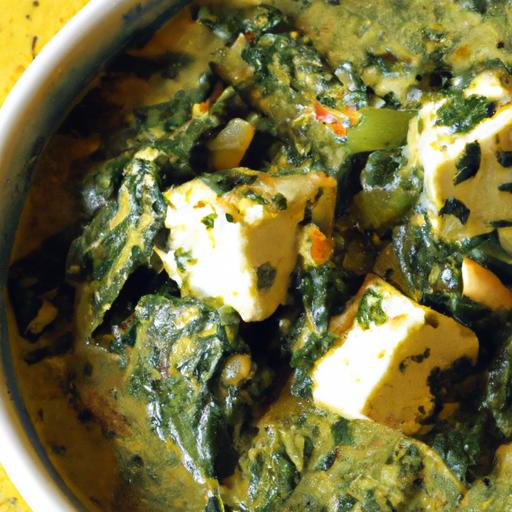
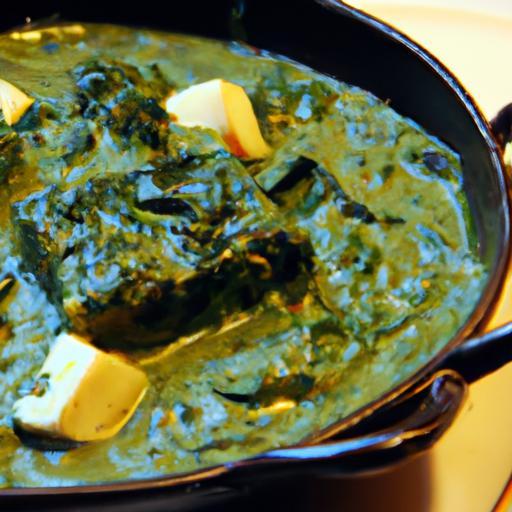
Few dishes capture the rich tapestry of Indian cuisine quite like saag paneer-a harmonious blend of vibrant greens and soft, golden cheese that delivers comfort in every bite. But what if tradition met a creamy twist, elevating this classic to new heights of indulgence and flavor? In this article, we dive into a luscious, creamy saag paneer recipe that reimagines the beloved favorite without losing its authentic soul. Whether your a seasoned foodie or a curious newcomer, prepare to embark on a culinary journey where tradition and innovation swirl together in a velvety embrace.
The Creamy Saag Paneer Recipe is a lush celebration of vibrant greens and silky paneer, harmoniously layered with warming spices and a velvety tomato-onion base. Rooted deeply in Indian culinary tradition, this dish transforms humble ingredients into a rich, comforting experience that’s both nutritious and indulgent.Selecting the freshest, most flavorful greens is the cornerstone of a truly memorable saag, setting the stage for the paneer and spices to shine.
Prep and cook time
- Preparation: 20 minutes
- Cooking: 35 minutes
- total: 55 minutes
Yield
Serves 4 generously, perfect for family dinners or entertaining guests with rustic elegance.
Difficulty Level
Medium – perfect for home cooks ready to elevate their saag paneer with nuanced layers of flavor and texture.
ingredients
- 500g fresh spinach leaves, washed and roughly chopped
- 250g mustard greens (sarson), washed and chopped
- 100g fenugreek leaves (methi), optional but recommended for authenticity
- 200g paneer, cut into 1-inch cubes
- 3 tablespoons ghee or vegetable oil
- 2 medium tomatoes, pureed
- 1 large onion, finely chopped
- 4 cloves garlic, minced
- 1 inch ginger, grated
- 2 green chilies, slit (adjust to taste)
- 1 teaspoon cumin seeds
- 1 teaspoon garam masala
- 1/2 teaspoon turmeric powder
- 1 teaspoon coriander powder
- 1/2 teaspoon red chili powder, optional
- 1/4 cup fresh cream or Greek yogurt for creaminess
- Salt to taste
- Fresh cilantro, for garnish
- Juice of half a lemon, to brighten flavors
Instructions
- Choosing and Preparing Greens: Start by blanching the spinach, mustard greens, and fenugreek leaves in boiling water for 2-3 minutes until wilted but still vibrantly green. Promptly transfer to ice water to halt cooking and keep the color vibrant. Drain and blend into a coarse purée with minimal water; a rough texture preserves the leaf’s natural bite and visual appeal.
- Mastering Paneer Preparation: Heat 1 tablespoon of ghee or oil in a non-stick pan. Lightly fry the paneer cubes until golden on all sides, about 5-6 minutes. this process seals in moisture and adds a subtle crunch that contrasts beautifully with the creamy saag.Remove and set aside on kitchen paper to drain excess oil.
- Crafting the Tomato-Onion Base: In the same pan, add 2 tablespoons ghee or oil. Sauté cumin seeds until aromatic, about 30 seconds. Add finely chopped onions and sauté over medium heat until translucent and caramelized, around 7-8 minutes, stirring frequently for even browning.
- Add minced garlic, grated ginger, and slit green chilies. Sauté another 2 minutes until spices release their fragrance.
- Pour in the pureed tomatoes and cook on medium-low heat,stirring occasionally,until the oil separates from the masala-about 10 minutes.This slow cooking builds the ultimate rich base.
- Stir in turmeric, coriander powder, red chili powder, and salt. Mix well and simmer for 2 minutes to blend the spices perfectly.
- Slowly add the green purée and gently combine.Simmer this luscious mixture on low heat for 10 minutes, allowing the flavors to meld and the greens to soften further into the sauce.
- Finish by stirring in fresh cream or yogurt and garam masala. Adjust salt as needed. Fold in the fried paneer cubes, letting them warm through for 3-4 minutes without stirring aggressively to prevent breaking.
- Remove from heat, sprinkle with fresh cilantro and a squeeze of lemon juice for brightness.
Tips for Success
- Greens: Combining spinach with mustard greens and fenugreek provides a complex flavor profile that’s both earthy and slightly tangy. If fenugreek isn’t available, substitute with a teaspoon of dried kasuri methi.
- Paneer: For firmer paneer, press the block wrapped in a clean towel for 30 minutes before cutting. Avoid soggy paneer that will crumble during cooking.
- Creaminess: Use fresh cream or full-fat Greek yogurt to achieve a luscious texture.For a vegan twist, try coconut cream.
- Spices: Toast whole spices like cumin for extra depth,and balance chili heat carefully according to your palate.
- Make-Ahead: Saag paneer tastes even better after a day as flavors meld beautifully,making it ideal for batch cooking.
Serving Suggestions
Serve the Creamy Saag Paneer Recipe steaming hot alongside fluffy basmati rice or warm garlic naan. Garnish with freshly chopped cilantro and a drizzle of cream or ghee for an elegant finish. A side of cucumber raita or tangy mango chutney adds a refreshing contrast to the rich, spiced greens.

| Nutrient | Per Serving |
|---|---|
| Calories | 320 kcal |
| Protein | 18g |
| Carbohydrates | 12g |
| Fat | 22g |
Looking to expand your Indian recipe repertoire? Check out our Authentic butter Chicken Recipe for a complementary rich dish. To explore the nutritional benefits of mustard greens and spinach, visit Healthline’s guide to leafy greens.
Q&A
Q&A: Creamy Saag Paneer Recipe - A Flavorful Spin on Tradition



Q1: What makes this Saag Paneer recipe different from the customary versions?
A1: While traditional Saag Paneer relies heavily on mustard greens or spinach cooked with simple spices, this creamy twist amps up the richness by incorporating a luscious blend of cream and cashew paste. The result? A velvety texture that melts in your mouth, balancing earthiness with subtle sweetness, turning a humble classic into an indulgent feast.
Q2: Can I use different kinds of greens for this recipe?
A2: Absolutely! Even though spinach is the star green here, you can experiment with kale, mustard greens, or even fenugreek leaves to add unique flavors. Just be sure to blanch the greens beforehand to soften their bite and reduce bitterness, ensuring the creamy sauce complements rather than overwhelms them.
Q3: What’s the secret to getting the paneer perfectly soft yet firm in this dish?
A3: The key lies in lightly pan-frying the paneer cubes before adding them to the saag. This gently browns the exterior, creating a delicate crust that holds its shape, while the inside stays soft and pillowy. Plus, it adds a subtle nuttiness that elevates the overall flavor profile.
Q4: How do the spices in this creamy Saag Paneer differ from the traditional recipe?
A4: This recipe embraces a more nuanced blend of spices-cumin, garam masala, and a hint of nutmeg-to enhance the creaminess without overpowering the greens. The gentle warmth of cinnamon and cardamom also weaves through the dish, giving it a subtle aromatic complexity that’s both comforting and exotic.
Q5: Is this dish suitable for a vegan or dairy-free diet?
A5: With a couple of clever swaps, yes! Replace the paneer with firm tofu or tempeh, and use coconut cream or cashew cream instead of dairy cream. These alternatives maintain the rich, creamy texture while keeping the dish plant-based and just as satisfying.
Q6: What are some perfect pairings for creamy Saag Paneer?
A6: This dish shines brightest when paired with fluffy basmati rice or warm, buttery naan to soak up every last drop of the creamy sauce. For a lighter contrast, a crisp cucumber raita or fresh salad with tangy lemon dressing complements the richness beautifully.
Q7: How can beginners avoid common mistakes when making this recipe?
A7: Timing is everything! Avoid overcooking the greens to preserve their vibrant color and nutrients. also, add cream at the end to prevent curdling, and don’t rush the paneer-gentle pan-frying ensures optimal texture. With these simple tips, even kitchen novices can create a silky, flavorful Saag Paneer masterpiece.
Q8: Can this recipe be made ahead and reheated?
A8: Yes, it actually tastes even better the next day as the flavors deepen. Store the saag and paneer separately in airtight containers, than gently reheat on the stove with a splash of water or cream to revive the texture and creaminess.
This Q&A unlocks the creamy magic behind Saag Paneer, inviting both traditionalists and adventurous cooks to savor a beloved dish reimagined with flair.
The Conclusion
As the rich, velvety hues of this creamy saag paneer settle onto your plate, you’re not just tasting a dish-you’re savoring centuries of tradition reinvented with a modern twist. This flavorful spin on classic saag paneer invites you to explore the harmonious dance between vibrant spices and luscious textures, proving that even the most beloved recipes can evolve while honoring their roots. Whether served alongside warm naan or fragrant basmati rice, this recipe promises a comforting meal that delights the senses and celebrates the timeless joy of Indian cuisine. So go ahead-dive in, savor every bite, and let this creamy creation inspire your next culinary adventure.