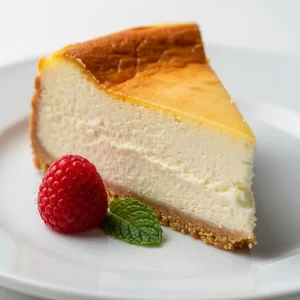
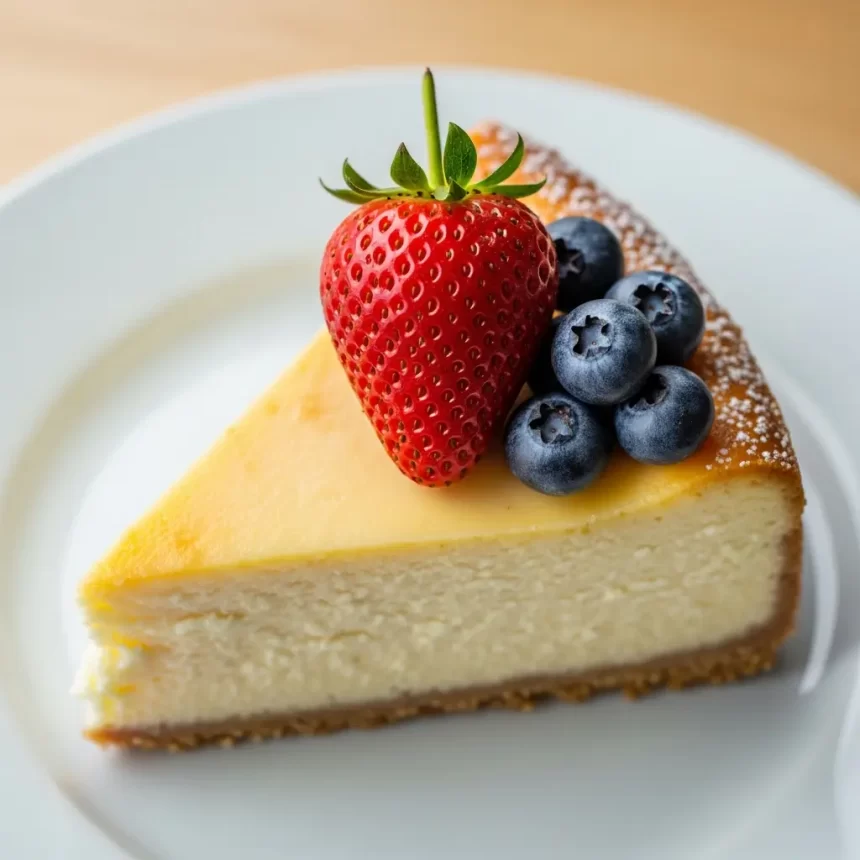
Few desserts evoke the rich culinary heritage of New York quite like the iconic New York style cheesecake.With its dense, creamy texture and perfectly balanced sweetness, this timeless dessert has graced countless tables, from cozy family kitchens to sophisticated city bakeries. More than just a cake, it’s a symbol of indulgence, tradition, and artistry, inviting bakers and food lovers alike to explore its luscious depths. In this guide, we delve into the classic recipe that has stood the test of time-uncovering tips, techniques, and the subtle secrets that make New york style cheesecake a beloved staple in the world of desserts. Whether you’re a seasoned baker or a curious newcomer, prepare to embark on a appetizing journey into the heart of a true culinary classic.
Classic New York Style cheesecake is an iconic dessert that has captured the hearts of food lovers worldwide.Rooted in a rich culinary tradition, this creamy masterpiece offers a luscious texture and a perfectly balanced tang that sets it apart from other cheesecakes. Originating from the bustling bakeries of New York City in the early 20th century, it was perfected by immigrant bakers who combined quality ingredients with simple, precise techniques. I recall the first time I baked this cheesecake – the moment I sliced into the smooth, velvety filling and admired its dense yet airy consistency, I knew I had discovered a timeless classic worth mastering.
Prep and Cook Time
- Preparation: 30 minutes
- Baking: 1 hour 15 minutes
- Cooling and Chilling: 6 hours (preferably overnight)
Yield
Serves 12 generous slices
Difficulty Level
Medium – requires careful mixing and controlled baking techniques
Ingredients
- 2 ½ pounds (1.13 kg) full-fat cream cheese, softened to room temperature
- 1 ¼ cups (250 g) granulated sugar
- 1 tablespoon pure vanilla extract
- 4 large eggs, at room temperature
- ⅔ cup (160 ml) sour cream, at room temperature
- ⅔ cup (160 ml) heavy cream, at room temperature
- 2 tablespoons all-purpose flour
- 1 tablespoon freshly squeezed lemon juice
- 1 ½ cups (150 g) graham cracker crumbs
- ⅓ cup (75 g) unsalted butter, melted
- 2 tablespoons granulated sugar (for crust)
Instructions
- Prepare the crust: Preheat your oven to 350°F (175°C). In a medium bowl, combine graham cracker crumbs, melted butter, and 2 tablespoons sugar. Press firmly into the bottom of a 9-inch (23 cm) springform pan, ensuring an even layer. Bake for 10 minutes, then remove and let cool.
- Blend the cream cheese: Using a stand mixer fitted with the paddle attachment, beat the softened cream cheese on medium speed until perfectly smooth and free of lumps (about 3-4 minutes). This step is crucial to avoiding a gritty texture in your cheesecake.
- Add the sugar and flour: Gradually add 1 ¼ cups sugar and 2 tablespoons flour, mixing on low until well combined.
- Incorporate eggs one at a time: Add eggs individually, mixing gently after each addition to avoid incorporating too much air, wich can cause cracking.
- Mix in sour cream, heavy cream, vanilla, and lemon juice: Stir in these ingredients slowly until the batter is silky and homogenous. Pause mixing just before the blend is uniform to prevent overbeating.
- Pour batter onto crust: Gently scrape the batter into the cooled crust-lined pan.Tap the pan lightly on the counter to release any trapped air bubbles.
- Bake using a water bath: Wrap the bottom of the springform pan with aluminum foil to prevent leaks. Place the pan inside a larger roasting pan and fill the outer pan with hot water halfway up the cheesecake’s sides. Bake at 325°F (160°C) for 1 hour 15 minutes or until the edges are set, but the center jiggles slightly when moved.
- Cool gradually: Turn off the oven, leave the cheesecake inside with the door ajar for 1 hour. Then, remove and chill uncovered for 2 hours, followed by covering and refrigerating overnight for the best flavor and texture.
Tips for Success
- Use full-fat cream cheese – low-fat varieties won’t yield the signature creamy density.
- Ensure all dairy ingredients are at room temperature to blend smoothly and avoid lumps.
- Be gentle adding the eggs to maintain a dense, velvety texture.
- The water bath is essential to prevent cracks and keep the surface luscious and smooth.
- For a gluten-free crust, substitute graham cracker crumbs with almond flour or gluten-free cookies.
- Leftover cheesecake keeps beautifully in the fridge for up to 5 days and freezes well for up to a month.
Serving Suggestions
Slice this Classic New York Style Cheesecake with a warm, thin knife for clean edges. Serve with a dollop of fresh whipped cream, a sprinkle of toasted graham cracker crumbs, or a vibrant berry compote to add a refreshing contrast. Pair it with a rich espresso or a glass of late-harvest Riesling for an indulgent dessert experience.
| Nutrient | Per Serving |
|---|---|
| Calories | 450 kcal |
| Protein | 8 g |
| Carbohydrates | 30 g |
| Fat | 34 g |
For a deep dive into cheesecake history and alternative crust options, check out our Ultimate Cheesecake Guide.
Explore more about cream cheese production and tips directly from the experts at Real Cream Cheese.
Q&A
Q&A: Classic New York Style Cheesecake – A Timeless Recipe Guide
Q1: What makes a New York style cheesecake truly classic?
A: The hallmark of a classic new York style cheesecake lies in its rich, dense, and creamy texture paired with a hint of tangy cream cheese flavor. Unlike lighter, fluffier cheesecakes, the New York variety is famously indulgent-thanks to its heavy cream, cream cheese, and typically a graham cracker crust that offers a buttery, slightly sweet foundation.Q2: Why is cream cheese the star ingredient in this recipe?
A: Cream cheese delivers the signature velvety smoothness and subtle tanginess that define New York cheesecakes. Its high fat content contributes to the decadent mouthfeel while balancing the sweetness perfectly. The choice of full-fat cream cheese is essential for authenticity and texture.
Q3: How vital is the crust, and what is the customary base?
A: the crust is the unsung hero that provides contrast to the creamy filling. traditionally, a graham cracker crust made from crushed graham crackers, sugar, and melted butter is pressed into a springform pan. This crust adds a hint of sweetness and a crumbly texture that complements each bite.
Q4: Can you share a tip for achieving the perfect cheesecake texture?
A: Absolutely! Low and slow is the mantra. Bake your cheesecake in a water bath (bain-marie) to maintain gentle, even heat and prevent cracking.Also, avoid over-mixing the batter to keep it smooth but not overly aerated, which can cause unwanted bubbles and cracks.
Q5: What’s the secret to preventing cracks on the surface?
A: Cracking frequently enough results from rapid temperature changes or over-baking. To avoid this, bake the cheesecake at a moderate temperature, turn off the oven once it’s almost done, and let the cake cool inside the oven with the door slightly open. Gradual cooling prevents shrinkage and cracking.Q6: How long should a classic New York style cheesecake chill before serving?
A: patience is key! For optimal flavor and texture, chill your cheesecake in the refrigerator for at least 4 hours, preferably overnight. This resting period allows the flavors to meld and the texture to set into that iconic, dense creaminess.
Q7: Are there any traditional toppings that enhance this cheesecake?
A: While New York style cheesecake is often enjoyed plain to showcase its rich flavor, popular classic toppings include a simple sour cream glaze, fresh strawberries, or a drizzle of fruit compote. These add brightness without overpowering the cheesecake’s rich essence.
Q8: Can the classic recipe be adapted for dietary restrictions?
A: Yes, though with some caveats. Using reduced-fat cream cheese or alternative crusts like nut-based or gluten-free options can accommodate preferences. However, these alterations may subtly change the texture or flavor. For a dairy-free option,plant-based cream cheese alternatives exist,but mastering the perfect New York style may require some experimentation.
Q9: What is the historical significance of this cheesecake style?
A: The New York style cheesecake emerged around the early 20th century, popularized by Jewish immigrants leveraging cream cheese, a recently mass-produced ingredient. Its rich texture and simple yet elegant flavor quickly became a symbol of the city’s melting pot culinary prowess-and an enduring favorite across America.
Q10: What’s your best piece of advice for first-time cheesecake bakers?
A: Don’t be intimidated! Cheesecake is all about precision and patience.Follow your recipe carefully, monitor your baking environment, and embrace the process. Remember, even imperfect cheesecakes taste delicious, and each attempt brings you closer to cheesecake mastery. Enjoy the journey as much as the sweet reward!
closing Remarks
Whether you’re a seasoned baker or a curious foodie, mastering the art of classic New York style cheesecake opens the door to a world where creamy richness meets perfect simplicity. This timeless recipe guide not only honors the iconic dessert’s storied history but also empowers you to recreate its velvety texture and buttery crust in your own kitchen. So next time you slice into that smooth, decadent square, remember-you’re not just enjoying cheesecake; you’re savoring a delicious tradition that has delighted generations. Happy baking, and may your cheesecake always be as classic as the city that inspired it.