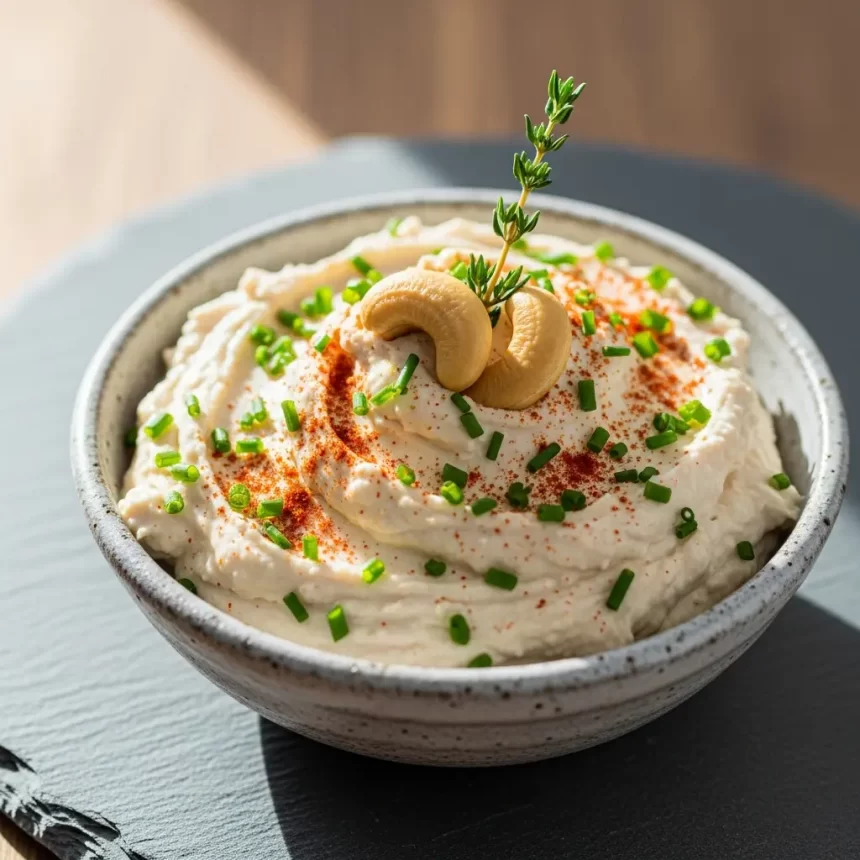
Imagine a cheese thatS rich, tangy, and decadently creamy-all without a hint of dairy. Welcome to the world of creamy cultured cashew cheese: a vibrant fusion of nutrition and culinary creativity that’s capturing the hearts of vegans and cheese lovers alike. This DIY delight transforms humble cashews into a probiotic-packed masterpiece, brimming with luscious texture and complex flavors that evolve with every fermentation. In this article,we’ll explore the art and science behind crafting yoru own batch of cultured cashew cheese at home,unlocking a whole new realm of plant-based indulgence that’s as satisfying to make as it is to savor.
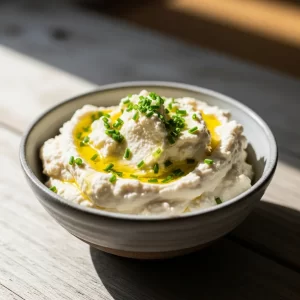
Creamy cultured cashew cheese offers an extraordinary gateway into the world of vegan artisanal cheese-making. This velvety, tangy delight hails from a blend of ancient fermentation techniques paired with the creamy richness of raw cashews, creating a plant-based cheese that’s as indulgent as it is wholesome.Over the years, I’ve experimented with countless dairy-free cheese recipes, and nothing quite matches the balance of texture and flavor that this cultured cashew cheese delivers. Its subtle tang and luxurious creaminess make it perfect for spreading, dolloping, or melting into your favorite dishes.
Prep and Cook Time
- Planning: 20 minutes
- Fermentation: 24-48 hours (depending on desired tanginess)
- Total Time: 24-48 hours 20 minutes
Yield
approximately 1 cup (serves 4 as a spread or accompaniment)
Difficulty Level
Medium – patience required for culturing, but simple hands-on steps
Essential Ingredients and Tools for Perfect Creaminess
- 1 ½ cups raw cashews, soaked overnight (or at least 6 hours)
- ¼ cup water (filtered, to aid blending)
- 2 tablespoons fresh lemon juice (for brightness and acidity)
- 2 tablespoons probiotic powder or 1 probiotic capsule (ensure dairy-free)
- 1 teaspoon apple cider vinegar (to enhance tang and promote culturing)
- ½ teaspoon sea salt
- Optional: 1 teaspoon nutritional yeast (for a subtle cheesy depth)
- Cheesecloth or fine-mesh cloth (for straining)
- Glass jar or ceramic bowl (for fermenting, non-reactive)
- High-speed blender (for smooth texture)
- Warm, dark place (to aid fermentation)
Step-by-Step Guide to Crafting Your Homemade Vegan Cheese
- soak the cashews: Rinse and soak the raw cashews in filtered water overnight or for at least 6 hours to soften and ensure a silky blend.
- Blend the base: Drain the cashews and place them into a high-speed blender with ¼ cup fresh water, lemon juice, apple cider vinegar, sea salt, and nutritional yeast if using. blend on high until wholly smooth and creamy, stopping to scrape sides as needed.
- Inoculate with probiotics: Transfer the blended mixture to a clean glass jar or container. Add the probiotic powder or the contents of one probiotic capsule, stirring gently but thoroughly to incorporate without introducing air bubbles.
- Cover and ferment: Loosely cover the jar with a cheesecloth or breathable fabric secured with a rubber band to keep out contaminants while allowing air circulation. Place the jar in a warm, dark location (72-75°F/22-24°C) for 24 to 48 hours, tasting periodically to monitor fermentation progress.The mixture should develop a pleasant tangy aroma with subtle effervescence.
- Strain for firmness (optional): For a thicker, cream cheese-style texture, strain the mixture through cheesecloth to remove excess whey, pressing gently. store your strained cultured cashew cheese in an airtight container in the refrigerator.
- Chill and mature: Let your cultured cashew cheese rest in the fridge for an additional 12 hours to firm up and allow flavors to meld beautifully.
- Enjoy: Serve chilled or at room temperature.Use as a luscious spread on crackers, bagels, or veggie crudités, or incorporate into recipes requiring creamy richness.
Expert Tips to Enhance Flavor and Texture in Every Batch
- Adjust fermentation time: Shorter fermenting (24 hours) yields a mild, mellow flavor, while longer fermenting (up to 48 hours) develops more pronounced tang and depth.
- Use fresh, active probiotics: Quality and potency of probiotics make all the difference; opt for vegan-amiable, freeze-dried powders for consistent results.
- Soaking cashews thoroughly: Never skip soaking,as this hydrates and softens nuts for a luxuriously smooth texture.
- Experiment with seasonings: Try adding fresh herbs like chives, dill, or smoked paprika post-fermentation for signature flavors.
- Keep the culture habitat warm but not hot: Excess heat can kill beneficial bacteria, so aim for a consistent, moderate room temperature.
- Make-ahead tip: Cultured cashew cheese stores beautifully refrigerated for up to 1 week, or freeze portions for up to 3 months.
Serving Suggestions
Present your creamy cultured cashew cheese with a vibrant drizzle of extra virgin olive oil and a sprinkle of fresh cracked black pepper or za’atar. It pairs beautifully with crusty artisan bread, sliced heirloom tomatoes, or roasted vegetables. For a gourmet touch, serve alongside marinated olives and sun-dried tomatoes. This luscious vegan cheese also layers perfectly in wraps, sandwiches, or melted atop roasted potatoes for a comforting twist.
| nutrient | Per 2 tbsp Serving |
|---|---|
| Calories | 90 |
| Protein | 3g |
| Carbohydrates | 5g |
| Fat | 7g |
For further inspiration and techniques on plant-based cheeses,explore our collection of vegan cheese recipes. To deepen your understanding of fermentation science, check out this detailed article from Cultures for Health.
Q&A
Q&A: creamy Cultured Cashew Cheese – A DIY Vegan Delight
Q1: What exactly is creamy cultured cashew cheese?
A1: Creamy cultured cashew cheese is a luscious, tangy vegan cheese made by fermenting soaked cashews with beneficial bacteria. It’s rich, spreadable, and boasts a depth of flavor that rivals traditional dairy cheese – all without a drop of animal product!

Q2: Why choose cashews as the base for vegan cheese?
A2: Cashews are naturally creamy and mild, making them the perfect canvas for culturing. Their buttery texture blends smoothly, creating a velvety cheese that’s both satisfying and nutrient-packed. Plus,thay absorb and amplify the flavors of herbs and spices beautifully.
Q3: What does “cultured” mean in this context?
A3: Culturing means allowing friendly bacteria – usually lactobacillus strains – to ferment the cashew mixture. This process develops complex flavors, adds a slight tang reminiscent of dairy cheese, and improves digestibility. Think of it as nurturing your cashew cheese to tangy perfection!
Q4: How difficult is it to make cultured cashew cheese at home?
A4: Delightfully simple! With just a handful of ingredients – cashews, probiotics or a starter culture, water, and a dash of salt – you blend, incubate, and wait.The real magic happens during the fermentation stage, were time and warmth work their charm.
Q5: What equipment will I need to get started?
A5: A high-speed blender or food processor is essential to achieve a smooth base. You’ll also need a clean jar or container for fermenting, a breathable cover like a cheesecloth, and a warm spot to culture your cheese (ideally around 70-75°F or 21-24°C).
Q6: Can I customize flavors in my cashew cheese?
A6: Absolutely! From fresh herbs like chives and basil to smoky paprika, garlic, or nutritional yeast for a cheesy boost, the possibilities are endless. Experiment with spices and mix-ins to craft your signature cultured cashew cheese.
Q7: How long does the fermentation take, and how do I know when it’s ready?
A7: Fermentation generally takes 24 to 48 hours. You’ll notice the cheese thickens and develops a pleasantly tangy aroma and taste. If it smells off or overly sour, give it a taste test – a balanced, creamy tang is the sweet spot!
Q8: How should I store cultured cashew cheese, and how long does it last?
A8: Keep it refrigerated in an airtight container. It usually stays fresh for up to two weeks.The flavor may intensify over time, so feel free to taste as you go and enjoy the evolving complexity.
Q9: Is cultured cashew cheese nutritious?
A9: Yes! Cashews provide healthy fats, protein, and minerals like magnesium and zinc. The culturing process adds probiotics, which can support gut health. It’s a wholesome option to dairy cheese that nourishes both body and palate.
Q10: Can I use cultured cashew cheese in cooking?
A10: Definitely. Its creamy texture makes it ideal for spreading on bread, dolloping on crackers, blending into sauces, or melting gently into warm dishes. Just remember that extreme heat can change its consistency, so add it thoughtfully.
Ready to embark on your cultured cashew cheese journey? With patience, creativity, and a little fermenting flair, you’ll soon be savoring your own vegan delight that’s as satisfying as it is scrumptious!
The Conclusion
Whether you’re a seasoned vegan or simply curious about plant-based possibilities, crafting your own creamy cultured cashew cheese opens a world of flavor and nourishment right in your kitchen. this delightful DIY treat not onyl transforms humble cashews into a tangy, luscious cheese alternative but also invites you to experiment with cultures, fermentation times, and seasonings to suit your unique palate. Embrace the art of cultured cashew cheese and let it inspire a new chapter in your culinary adventure-where wholesome ingredients meet flavorful creativity, one luscious bite at a time.