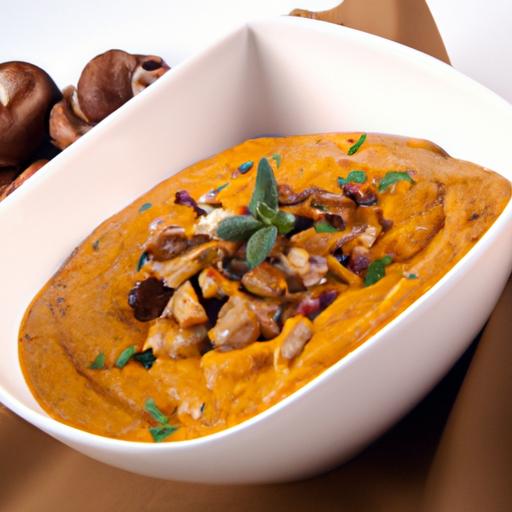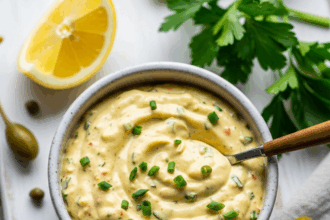
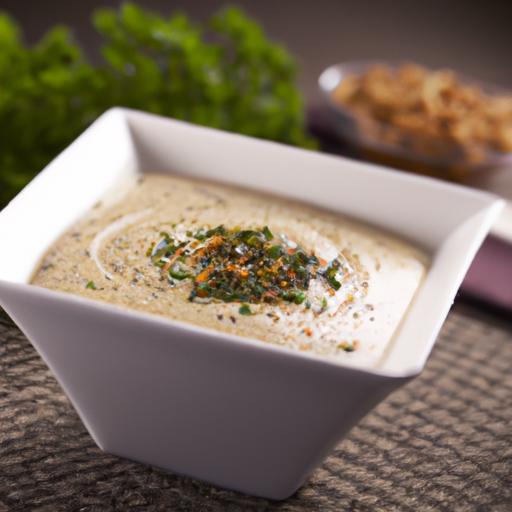
Imagine a sauce so rich, so velvety, it transforms simple dishes into unforgettable culinary experiences. Meet Salsa di Noci, the classic walnut sauce hailing from the heart of Liguria, Italy-a creamy blend of toasted walnuts, garlic, aromatic herbs, and a touch of olive oil that weaves a tapestry of flavor both rustic and refined. Whether draped over pasta, slathered on crusty bread, or used as a dip, this Italian gem invites you to savor each bite with a delightfully nutty twist. In this article, we’ll uncover the origins, ingredients, and endless possibilities of classic walnut sauce, guiding you to recreate its luscious texture and timeless taste right in your own kitchen.
Savor the Creamy Delight of Classic walnut Sauce (Salsa di Noci)-a culinary treasure hailing from the lush ligurian coast of Italy. This velvety sauce, rich with toasted walnuts and fragrant herbs, captures centuries of Italian heritage where local ingredients were transformed into luxuriously simple dishes. The tradition began in the medieval kitchens of Genoa, where walnut groves flourished and the sauce became a staple accompaniment for fresh handmade pastas. For me, the first time I tasted this sauce was during a rustic seaside meal, its creamy texture and subtle nutty sweetness creating an unforgettable harmony that lingers on the palate.Ready to bring that authentic magic into your kitchen? Let’s uncover the secrets of creating this classic walnut sauce, balancing flavor and texture to perfection.
Prep and Cook Time
Preparation: 15 minutes | Cooking: 10 minutes | Total Time: 25 minutes
yield
Yields approximately 1 ½ cups of sauce, enough to generously serve 4 people.
Difficulty Level
easy | Perfect for home cooks and enthusiasts looking to explore authentic Italian sauces.
Ingredients
- 1 cup walnuts, lightly toasted
- 1 garlic clove, peeled and roughly chopped
- 1 cup whole milk, warm
- ½ cup fresh bread crumbs (preferably from rustic Italian bread)
- 3 tablespoons extra virgin olive oil
- 2 tablespoons grated parmigiano-Reggiano
- 1 tablespoon fresh basil leaves, chopped
- Salt and freshly ground black pepper, to taste
- A pinch of nutmeg (optional, but highly recommended)
Instructions
- Toast the walnuts gently in a dry skillet over medium heat until golden and aromatic, about 5 minutes; watch carefully to prevent burning. Remove and let cool slightly.
- Place the toasted walnuts in a food processor along with the chopped garlic and bread crumbs. Pulse until finely ground but not oily-retain some texture.
- slowly stream in the warm milk while continuing to pulse,creating a smooth and creamy consistency reminiscent of thick cream.
- Add the olive oil, grated Parmigiano-Reggiano, and chopped basil, then pulse a few more times until blended. Season generously with salt, pepper, and a pinch of nutmeg to deepen the flavor.
- Adjust the sauce’s thickness with a splash more warm milk if needed; the final texture shoudl be luscious and pourable but substantial enough to cling to pasta.
- Transfer the sauce to a bowl and let it rest for 10 minutes at room temperature to allow the flavors to marry beautifully before serving.
Chef’s Notes: Tips for Success
- For a nuttier depth, toast walnuts until lightly bronzed-avoid burning, which causes bitterness.
- Use day-old rustic bread for the bread crumbs; fresh bread can turn the sauce gummy.
- To veganize, substitute milk with unsweetened almond or oat milk and nutritional yeast for Parmigiano.
- Incorporate a splash of white wine to add brightness and complexity if desired.
- Make ahead: Store the sauce in an airtight container in the refrigerator up to 3 days. Rewarm gently and thin with milk if it thickens.
Savor the Creamy Delight of Classic walnut Sauce: Pairing suggestions to Elevate Your Culinary Experience
This sauce shines as a star accompaniment to fresh, handmade pasta, especially trofie or pappardelle that wrap tenderly around the creamy walnut strands. For seafood lovers, drizzle it over grilled shrimp or seared scallops for a surprising marriage of textures. It also elevates roasted vegetables like cauliflower or asparagus, adding richness and umami. Garnish with additional crushed walnuts and a sprig of basil for an elegant presentation.For an indulgent twist, serve alongside slices of crusty artisan bread, perfect for dipping into the sauce’s silky embrace.
Tips for Storing and Enhancing Flavor Over Time
Store this creamy walnut sauce in an airtight glass jar and refrigerate instantly to maintain freshness. The flavors mature beautifully over 24 hours as the herbs and nuts fully infuse the creaminess. When ready to serve, gently warm it in a double boiler or low heat, stirring continuously to prevent separation. To revive texture, whisk in a touch of warm milk or olive oil. For longer storage, the sauce freezes well for up to one month-thaw overnight in the fridge and whisk before reheating. These simple steps guarantee you can enjoy the nutty richness of this classic sauce anytime inspiration strikes in your kitchen.
| Nutritional Data (per ¼ cup) | Amount |
|---|---|
| Calories | 180 kcal |
| Protein | 4 g |
| Carbohydrates | 6 g |
| Fat | 16 g |




Discover more authentic Italian sauce recipes in our Classic italian Pasta Sauces collection, and for a deep dive into walnut’s nutritional benefits, visit Healthline’s article on walnuts.
Q&A
Q&A: Savor the Creamy Delight of Classic Walnut Sauce (Salsa di Noci)
Q: What exactly is Salsa di Noci?
A: Salsa di Noci, or walnut sauce, is a luscious, creamy condiment originating from Liguria, Italy. It’s a harmonious blend of ground walnuts,garlic,bread soaked in milk,olive oil,and fragrant herbs,resulting in a rich yet delicate sauce that’s perfect for elevating pasta,vegetables,or even grilled meats.
Q: Where does Salsa di Noci come from?
A: this velvety walnut sauce hails from the picturesque Ligurian region along Italy’s northwest coast. Liguria is renowned for its vibrant, herbaceous cuisine, and Salsa di noci represents a jewel in its pantry – a testament to using humble, local ingredients like walnuts, which thrive in the Mediterranean climate.
Q: What does Salsa di Noci taste like?
A: Imagine a creamy, nutty embrace with subtle whispers of garlic and fresh herbs. The walnuts lend a slightly sweet earthiness, balanced by the smooth texture provided by soaked bread and olive oil-making it both comforting and complex on the palate.
Q: How is customary Salsa di Noci made?
A: Traditionally, Ligurians used a mortar and pestle to crush toasted walnuts and garlic into a paste. Soaked bread softens the mixture, while generous drizzles of extra virgin olive oil bind everything into a creamy sauce. Some variations include a touch of Parmesan cheese or a hint of lemon zest to brighten the flavor.
Q: what dishes pair best with walnut sauce?
A: Pasta is the classic canvas – think trofie or gnocchi tossed in Salsa di Noci for a decadent vegetarian dish. Beyond pasta, it’s delightful atop steamed vegetables, drizzled over roasted chicken, or as a spread on crusty bread for a savory snack.
Q: Can walnut sauce be made vegan or gluten-free?
A: Absolutely! To keep it vegan, simply skip the cheese or substitute with a plant-based alternative. For gluten-free versions, replace the traditional soaked bread with gluten-free bread or even a soft vegetable like cauliflower to maintain creaminess without the gluten.
Q: Why should food lovers try making Salsa di noci at home?
A: Making Salsa di noci at home is like unlocking a little Ligurian secret. It’s straightforward, requires minimal ingredients, and rewards you with a sauce that’s both rustic and refined. Plus, it’s a versatile companion to many dishes, inviting creativity and a taste of Italian tradition into your kitchen.
Q: Any tips for perfecting the texture and flavor of walnut sauce?
A: For a silky smooth sauce, pulse walnuts and soaked bread gradually while drizzling in olive oil to avoid a grainy texture. Toasting walnuts lightly enhances their depth. Adjust garlic and seasoning cautiously-Salsa di Noci sings best when balanced, not overpowering.
Q: How long does Salsa di Noci keep?
A: Stored in an airtight container in the fridge, it typically lasts 3 to 4 days. because it contains fresh ingredients, it’s best enjoyed fresh, but you can stir in a bit of olive oil before serving if it thickens too much.Q: Where can one find authentic walnuts for making this sauce?
A: Look for fresh, high-quality walnuts at local markets or specialty stores. If possible, opt for organic walnuts to get that naturally rich flavor that’s crucial to the sauce’s character.Toasting them lightly just before making the sauce will further elevate their aroma.
Indulging in classic Walnut Sauce is more than just savoring a recipe-it’s tasting history, tradition, and the soul of Ligurian cuisine in every creamy bite. Are you ready to delight your palate with this nutty treasure?
Wrapping Up
As you savor the creamy delight of classic Walnut Sauce, or Salsa di Noci, you’re not just enjoying a rich and velvety condiment-you’re tasting centuries of italian tradition, nutty warmth, and culinary artistry all in one luscious bite. Whether draped over freshly cooked pasta or dolloped onto crusty bread, this sauce invites you to slow down, appreciate simple yet profound flavors, and celebrate the magic that happens when humble ingredients come together in perfect harmony. so next time you seek comfort in a dish, let Salsa di Noci be your flavorful companion, reminding you that sometimes, the most exquisite pleasures lie in the simplest recipes. Bon appétit!