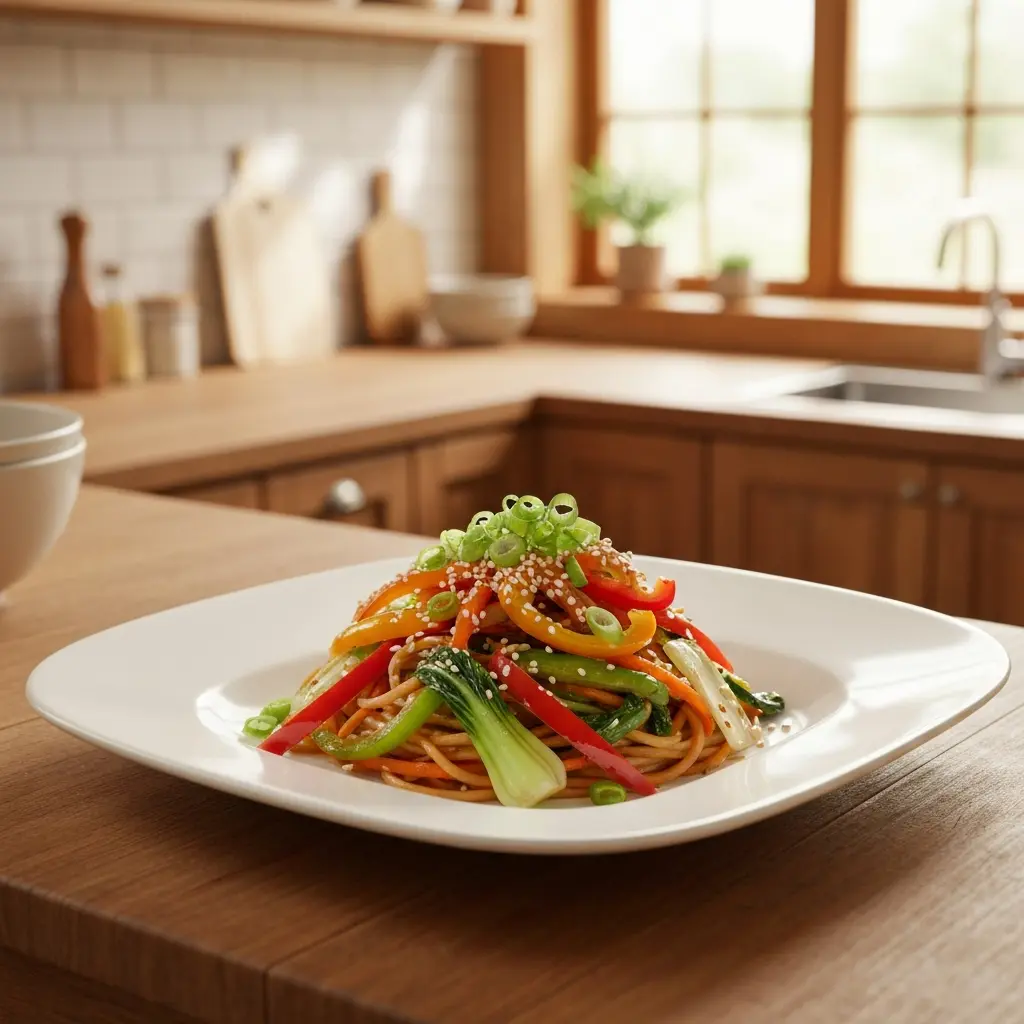
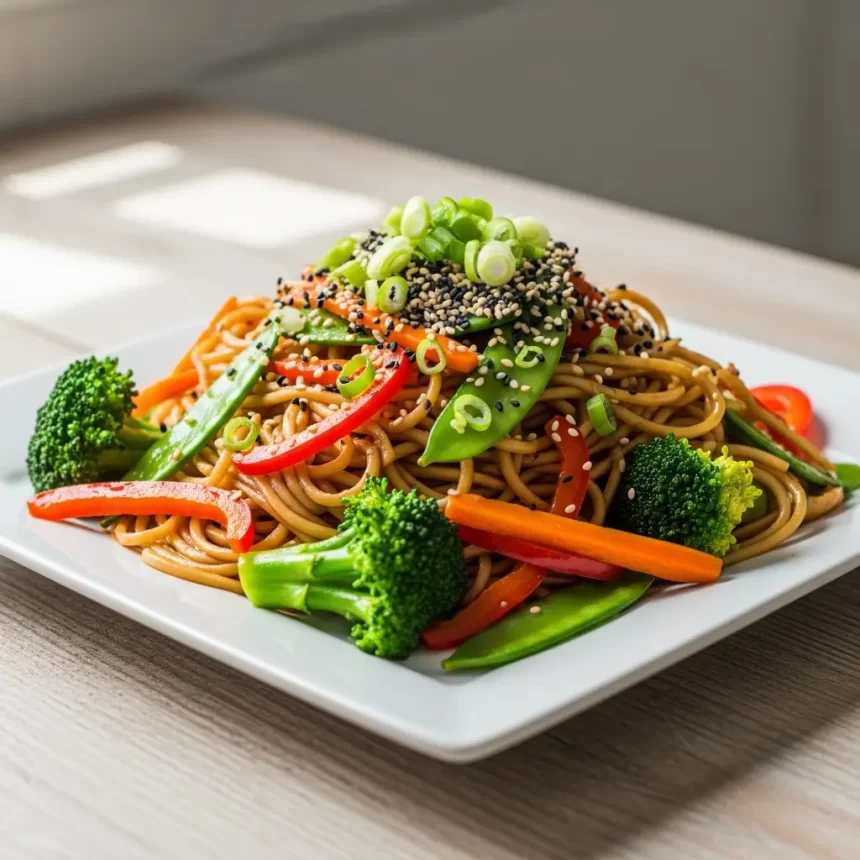
When it comes to weeknight dinners, nothing beats a meal that’s both speedy and satisfying. Enter vegetable lo mein: a colorful, flavor-packed dish that brings the vibrant tastes of Asian cuisine right to your kitchen in minutes. Whether you’re a seasoned home cook or a beginner looking to impress, this easy vegetable lo mein recipe combines fresh veggies and tender noodles in a savory sauce that’s bursting with umami.Forget complicated techniques or long ingredient lists-our quick and tasty approach makes whipping up this classic takeout favorite simpler than ever. Get ready to stir, sizzle, and savor a delicious dinner that’s as nutritious as it is effortless.
Quick & Tasty: Easy Vegetable Lo Mein Recipe Made Simple is a vibrant celebration of fresh ingredients and bold, balanced flavors. Drawing inspiration from classic Chinese takeout, this dish highlights how the perfect combination of colorful vegetables and a masterful sauce blend transforms humble noodles into an irresistible, restaurant-quality meal at home. Whether you’re pressed for time or craving comfort with a healthy twist, these kitchen-tested secrets will make your next stir-fry a shining star.
Choosing the Perfect Vegetables for Vibrant Flavor and Texture
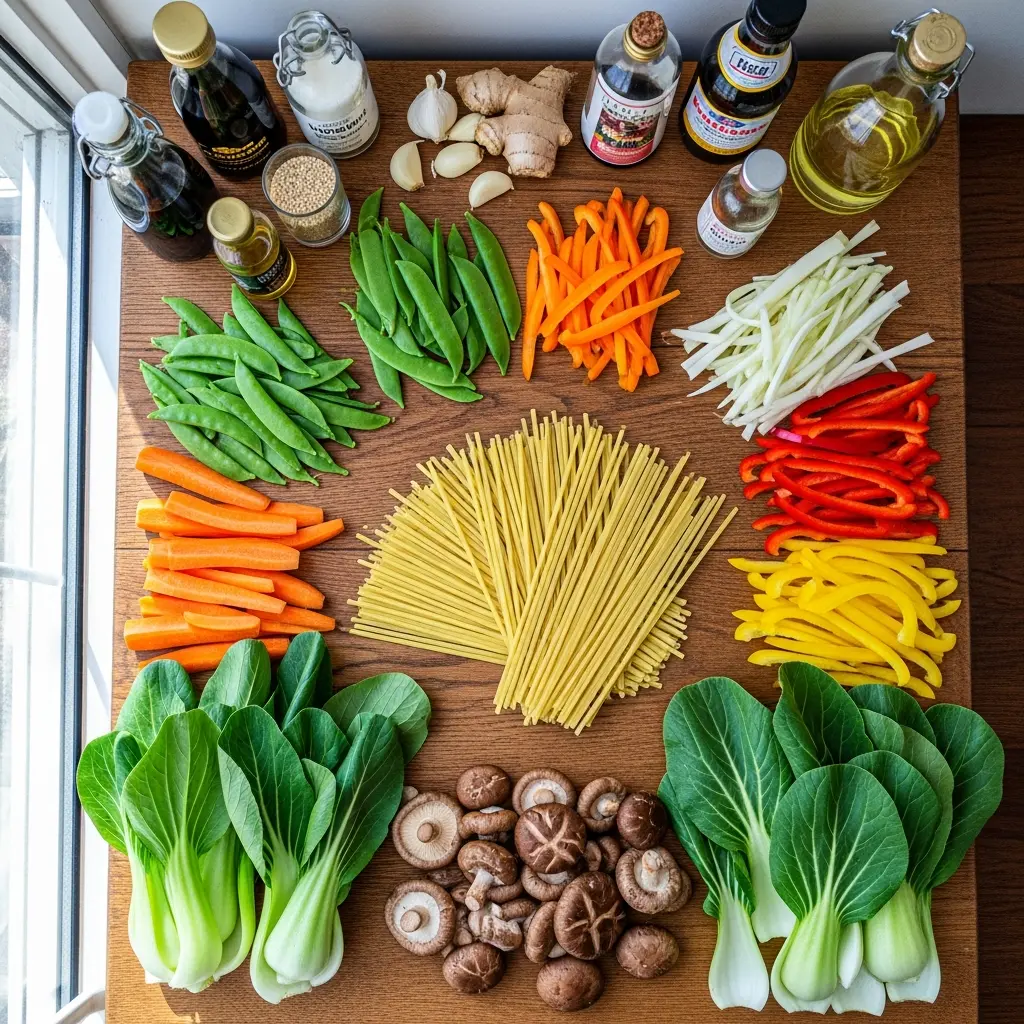
To truly capture the essence of fresh vegetable lo mein, select vegetables that contrast and complement one another in both flavor and texture. Crisp snap peas and julienned carrots offer sweetness and crunch, while tender shiitake mushrooms add an earthy depth. Bell peppers bring vibrant color and just the right amount of natural sweetness, and baby bok choy lends subtle bitterness and a tender bite.
Pro tip: Slice vegetables uniformly,about 1/4 inch thick,to ensure even cooking and a visually appealing plate. Using a mandoline or a sharp chef’s knife will help you achieve this easily.
Mastering the Sauce Blend That brings Your Lo Mein to Life
The soul of your lo mein lies in a delicate balance of salty, sweet, umami, and aromatic notes. Create a sauce blend by combining soy sauce, toasted sesame oil, a hint of dark soy sauce for color, a dash of hoisin for sweetness, and fresh minced ginger and garlic to awaken the palate. The addition of a splash of rice vinegar or Shaoxing wine adds brightness and complexity, cutting through the richness beautifully.
Chef’s tip: Whisk your sauce ingredients together in a small bowl before adding them to your stir-fry-this ensures every strand of noodle is perfectly coated.
Step by Step Guide to Quick Stir-Frying for Maximum Freshness
- Prep all ingredients beforehand: Chop vegetables and measure sauces before heating your wok or large skillet to high heat.
- Heat 1 tbsp vegetable oil: Swirl to coat the pan and bring it to a shimmering surface-this ensures instant searing.
- Begin with aromatics: Add minced garlic and ginger, stir-frying for 30 seconds until fragrant but not burnt.
- Add denser vegetables frist: Toss in carrots, bell peppers, and shiitake mushrooms; stir continuously for 2-3 minutes until slightly tender but still crisp.
- Introduce snap peas and bok choy: Stir-fry for an additional 1-2 minutes to preserve their shining color and crisp texture.
- Add cooked noodles: Gently fold in the noodles, separating any clumps carefully with chopsticks or tongs.
- Pour in sauce blend: Toss everything together quickly to evenly coat, stir-frying for another 1-2 minutes to allow the flavors to infuse.
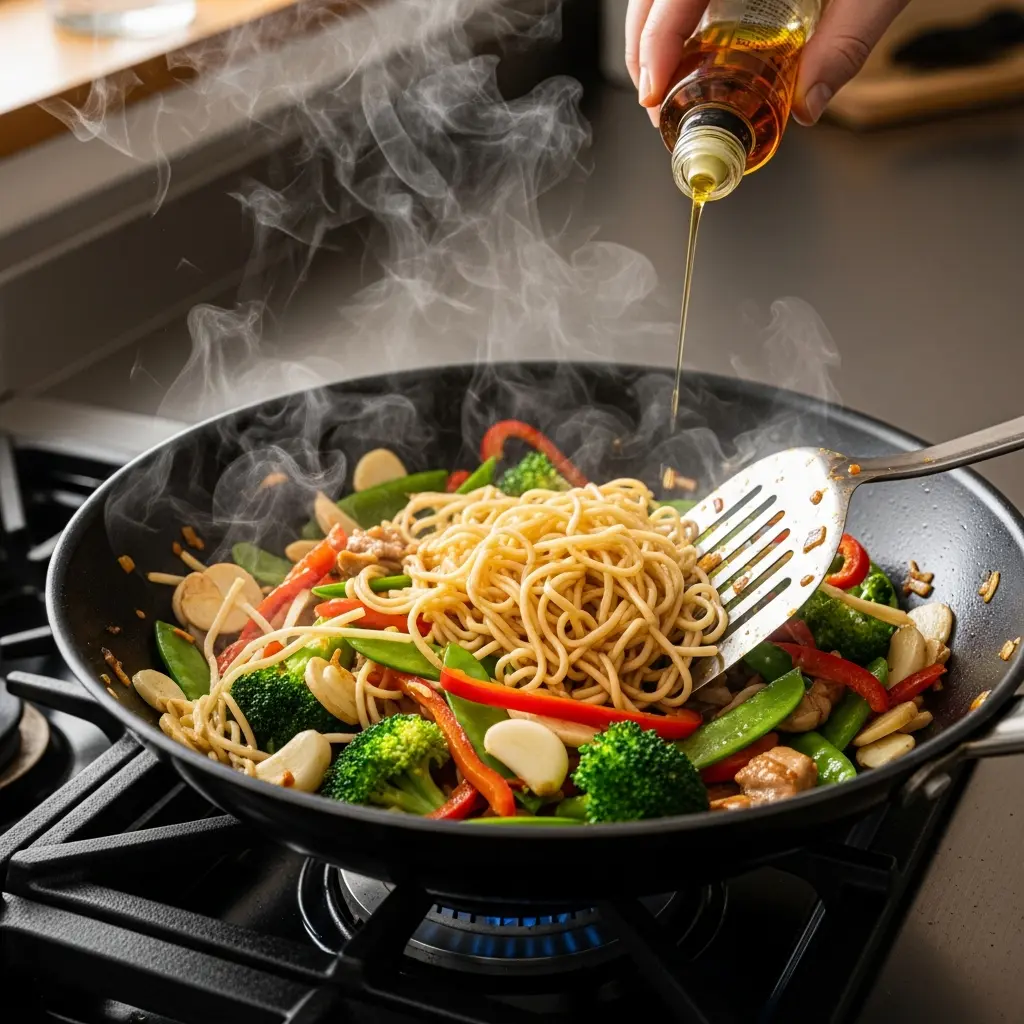
- Finish with sesame oil drizzle: This final touch enhances aroma and richness right before serving.
Tips for Customizing Your Lo Mein to Suit Every Palate
- protein options: Add tofu cubes, shrimp, or sliced chicken breast for heftier versions.
- Heat it up: include chili garlic sauce or freshly sliced chilies to turn up the spice.
- Gluten-free: Choose rice noodles and tamari instead of wheat noodles and soy sauce.
- Extra crunch: Toss in roasted peanuts or toasted sesame seeds as a garnish for texture contrast.
- Make it vegan: Skip animal-based sauces and substitute with mushroom soy sauce or vegetable broth.
Prep and Cook Time
- Readiness: 15 minutes
- Cooking: 10 minutes
- Total Time: 25 minutes
Yield
Serves 4 hearty portions
Difficulty Level
Easy


Ingredients
- 8 oz lo mein noodles (fresh or dried)
- 1 cup thinly sliced carrots
- 1 cup snap peas, trimmed
- 1 cup bell peppers (red and yellow), julienned
- 1 cup baby bok choy, roughly chopped
- 1/2 cup shiitake mushrooms, sliced
- 3 cloves garlic, minced
- 1 tbsp fresh ginger, minced
- 2 tbsp soy sauce
- 1 tbsp dark soy sauce
- 1 tbsp hoisin sauce
- 2 tsp toasted sesame oil
- 1 tsp rice vinegar
- 1 tbsp vegetable oil (for stir-frying)
- Optional: sliced green onions and sesame seeds for garnish
Instructions
- Cook noodles according to package instructions: Drain, rinse under cold water, and toss lightly with 1 tsp sesame oil to prevent sticking.Set aside.
- Prepare the sauce: In a small bowl, whisk together soy sauce, dark soy sauce, hoisin sauce, toasted sesame oil, and rice vinegar.set aside.
- heat wok or large skillet over high heat: Add vegetable oil and swirl to coat the surface.
- Add garlic and ginger: Stir-fry for 30 seconds until fragrant but not browned.
- Add carrots, bell peppers, and shiitake mushrooms: Sauté for 2-3 minutes, stirring constantly to keep the vegetables crisp-tender.
- Toss in snap peas and bok choy: stir-fry for 1-2 minutes until bright green and slightly softened.
- Add cooked noodles: Gently toss to combine with vegetables.
- Pour sauce over noodles and veggies: Continue tossing to coat everything evenly; cook an additional 1-2 minutes until heated through.
- Remove from heat and drizzle remaining 1 tsp sesame oil: Toss lightly.
- Serve immediately: Garnish with sliced green onions and sesame seeds if desired.
Chef’s Notes
- Make-ahead tip: Prep all veggies and sauce earlier in the day to cut down active cooking time.
- Vegan swap: Confirm hoisin sauce is vegan or substitute with a mix of plum sauce and soy sauce.
- noodle alternatives: Egg noodles or udon both work well as a substitute for lo mein noodles.
- Troubleshooting: If noodles stick together, toss with a little warm oil or hot water before stir-frying.
Serving Suggestions
Plate your vibrant vegetable lo mein with a sprinkle of toasted sesame seeds and finely sliced scallions for bursts of flavor and texture. Add a side of quick pickled cucumber salad or miso soup to round out the meal with refreshing contrasts. For a heartier twist, complement with grilled tofu or crispy spring rolls on the side.
| Nutrient | Per Serving |
|---|---|
| Calories | 320 kcal |
| Protein | 9 g |
| Carbohydrates | 54 g |
| Fat | 7 g |
For more quick stir-fry inspiration, check out our 15-minute Vegetable Stir Fry. For a deeper understanding of the authentic sauces used in Chinese cooking, see Serious Eats: Guide to Chinese Sauces.
Q&A
Quick & Tasty: Easy Vegetable Lo Mein Recipe Made Simple – Q&A
Q1: What makes this Vegetable Lo Mein recipe stand out from others?
A1: this recipe is all about simplicity without sacrificing flavor. Using everyday ingredients and a quick stir-fry technique, it transforms basic veggies and noodles into a savory, satisfying meal that’s ready in under 20 minutes. Perfect for busy weeknights or when you crave something tasty but fuss-free!
Q2: Can I customize the vegetables in this lo mein?
A2: Absolutely! The beauty of Vegetable Lo Mein lies in it’s versatility. Feel free to swap in your favorite veggies like bell peppers, snap peas, mushrooms, or bok choy. Just keep them roughly the same size for even cooking and toss them in based on their cooking times.Q3: What type of noodles work best for this dish?
A3: Egg noodles or thin lo mein noodles are ideal as they absorb the sauce nicely and have a perfect chew. However, you can also use spaghetti or ramen noodles in a pinch. Just be sure to cook them al dente and rinse under cold water to prevent clumping.
Q4: Is this recipe suitable for vegans?
A4: Definitely! This recipe uses only plant-based ingredients. Simply choose a soy sauce that doesn’t contain any additives like fish or oyster sauce, and you’ve got a delicious vegan-friendly meal.
Q5: How can I make this dish more protein-packed?
A5: For a protein boost, toss in tofu cubes, tempeh, or edamame. Cook them separately until golden, then stir them in at the end.You can also add roasted peanuts or cashews for crunch and extra nutrition.
Q6: What’s the secret to getting that perfect “wok hei” flavor at home?
A6: While authentic wok hei (the smoky, charred taste) comes from extremely high heat and a seasoned wok, you can mimic it by cooking on high heat, stirring constantly, and ensuring the pan is super hot before adding ingredients. A splash of toasted sesame oil at the end also amps up that rich, nutty aroma.
Q7: Can I prepare the sauce ahead of time?
A7: Yes! The sauce, usually a blend of soy sauce, garlic, ginger, a touch of sugar, and sesame oil, can be whisked together beforehand. This speeds up the cooking process and ensures every strand of noodle is perfectly coated with flavor.Q8: how should leftovers be stored and reheated?
A8: Store leftovers in an airtight container in the refrigerator for up to 3 days. To reheat, toss in a skillet over medium heat with a splash of water or broth to revive the noodles’ tenderness and avoid drying out.
Q9: Can this recipe be gluten-free?
A9: Absolutely! Use gluten-free noodles like rice noodles or gluten-free lo mein noodles, and swap soy sauce for tamari or a gluten-free option. This way, you keep all the flavor while accommodating dietary needs.
Q10: What sides or accompaniments pair well with vegetable Lo Mein?
A10: Keep it light and fresh with a crunchy Asian slaw,steamed dumplings,or miso soup. For a heartier meal, pair with spring rolls or a side of sticky rice. The possibilities are as colorful as your veggie medley!
Insights and Conclusions
And ther you have it-a quick, vibrant, and utterly delicious vegetable lo mein that transforms everyday ingredients into a flavorful feast. Whether you’re a busy weeknight cook or a noodle novice, this easy recipe proves that wholesome, restaurant-worthy meals don’t have to take hours or require fancy techniques. So next time hunger strikes, grab your veggies and noodles, stir up some magic, and savor the simple joy of a home-cooked lo mein that’s as satisfying as it is speedy. Happy cooking!