In the heart of Korea’s culinary tapestry lies Budae Jjigae, affectionately known as Korean Army Stew-a bubbling, spicy medley born from post-war ingenuity, where resourceful cooks transformed surplus military rations into a beloved comfort food. Central to its identity is the iconic addition of Spam, a symbol of scarcity turned deliciousness. But what happens when this signature ingredient takes a backseat? Welcome to Budae Jjigae Unplugged, a vibrant reimagining of the classic stew that honors tradition while stepping boldly into fresh, new territory. This article dives into the flavorful world of Korean Army Stew without Spam, exploring how the essence of Budae Jjigae thrives even when one of its most famous components is left out-proving that innovation and heritage can simmer hand in hand.
Budae Jjigae Unplugged: Korean Army Stew without Spam breathes new life into this iconic Korean comfort food by embracing fresh, local ingredients and innovative protein substitutes.Traditionally born from resourcefulness during post-war scarcity, the stew’s original reliance on canned meats like Spam now gives way to vibrant, wholesome flavors that brighten every spoonful.This reimagined approach captures the soul of the dish-bold, hearty, and communal-without the reliance on processed meats, inviting a fresh culinary narrative rooted in authenticity and sustainability.
Prep and Cook Time
- Preparation: 20 minutes
- cooking: 30 minutes
- Total: 50 minutes
Yield
- Serves 4 generous portions
Difficulty Level
- Medium – beginner cooks welcome with stepwise guidance
Ingredients
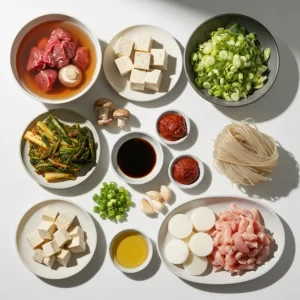
- 6 cups homemade or low-sodium beef broth
- 2 tablespoons Korean gochujang (red chili paste)
- 1 tablespoon gochugaru (Korean chili flakes)
- 2 teaspoons soy sauce
- 1 tablespoon toasted sesame oil
- 4 cloves garlic, minced
- 1 medium yellow onion, thinly sliced
- 200g firm tofu, cubed
- 150g fresh shiitake mushrooms, sliced
- 1 medium zucchini, julienned
- 1 cup kimchi, chopped
- 200g cooked chicken thigh, shredded (protein alternative)
- 1 cup glass noodles (dangmyeon), soaked and drained
- 2 green onions, thinly sliced
- 1 block (200g) Korean-style rice cakes (tteok), optional
- 1 teaspoon ground black pepper
- Fresh cilantro or perilla leaves for garnish
Instructions
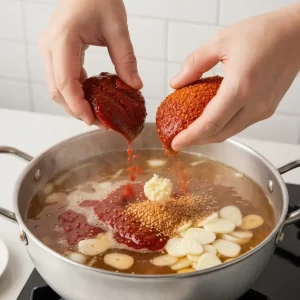
- Prepare the broth base: In a large Korean earthenware pot or heavy-bottomed saucepan, combine the beef broth, gochujang, gochugaru, soy sauce, and toasted sesame oil.Stir well to dissolve the chili paste and flakes evenly, creating a vibrant, spicy foundation.
- Sauté aromatics: Heat a drizzle of sesame oil over medium heat in a separate pan. Add the minced garlic and sliced onion. Sauté until fragrant and translucent, about 3-4 minutes, stirring frequently to avoid browning.
- Add aromatics to broth: Transfer the sautéed garlic and onions into the broth pot, stirring gently to incorporate that delicious base flavor.
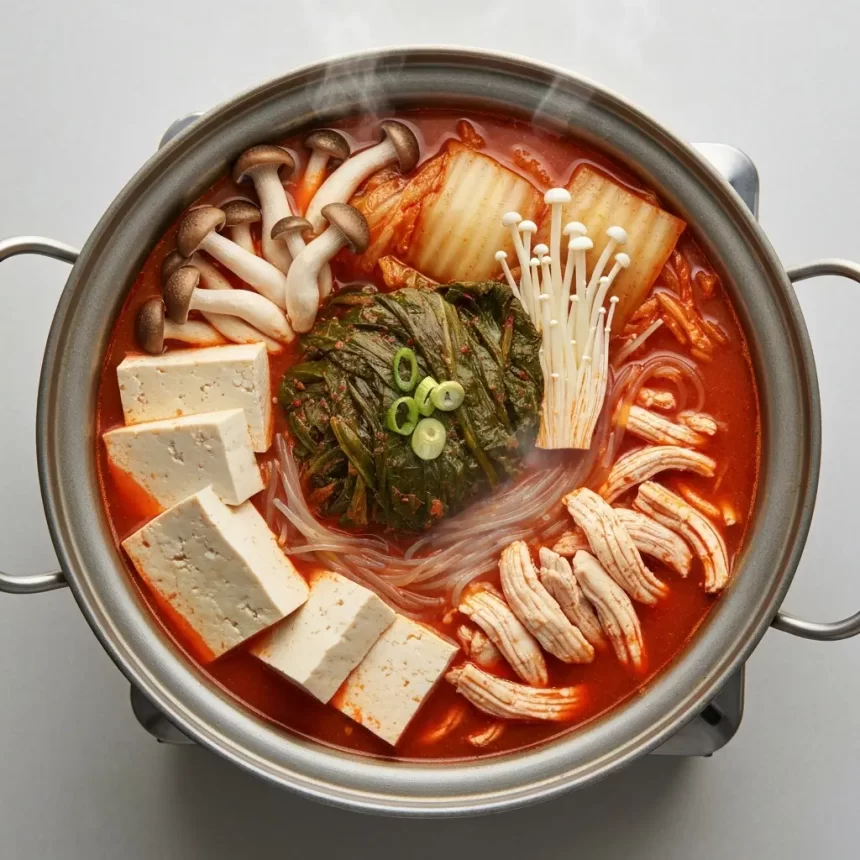
- Layer in ingredients: Arrange tofu cubes, sliced shiitake mushrooms, zucchini julienned ribbons, and chopped kimchi artistically atop the broth. This layering helps preserve textures and colors during the simmer.
- introduce the protein alternative: Scatter the shredded cooked chicken thigh over the surface as a savory, tender replacement for customary Spam. Its richness and depth meld beautifully with the spicy broth.
- Add glass noodles and rice cakes: Nestle soaked glass noodles and optional rice cakes gently on top, allowing them to absorb the broth’s flavor as the stew cooks.
- Simmer gently: Bring the stew to a boil over medium-high heat. once boiling, reduce to a gentle simmer and cook uncovered for 15 minutes, allowing flavors to meld and noodles to soften without turning mushy.
- Finish with seasonings: Taste the stew for seasoning balance,adding black pepper as needed.Stir once to distribute the flavors evenly but avoid breaking delicate tofu cubes or ingredients.
- Garnish and serve: Sprinkle sliced green onions and fresh cilantro or perilla leaves over the stew before serving. Serve directly in the pot for a communal experiance, alongside steamed white rice and crisp kimchi banchan.
Tips for Success
- Protein Variations: Substitute shredded chicken with grilled tempeh or pan-seared firm tofu to keep the dish vegetarian while maintaining textural interest.
- Broth Boosters: For a richer broth, simmer dried anchovies and kelp for 10 minutes before starting the stew base; remove before adding chili paste.
- Make Ahead: Prepare the broth and chop vegetables a day prior for faster assembly. Keep tofu and noodles separate until just before cooking to prevent sogginess.
- Adjust Spice: modify the volume of gochujang and gochugaru to suit personal heat preferences-less for mild, more for a fiery kick.
- Visual Appeal: Layer ingredients by colour-bright zucchini, red kimchi, white tofu-to create a feast for the eyes when served.
Serving Suggestions
Present the stew bubbling hot in its pot for a cozy communal dining experience. Pair with steamed sticky rice or pearl barley to soak up the complex broth.A side of crisp, tangy kimchi complements the umami layers.Garnish with Korean chili threads or a sprinkle of toasted sesame seeds for added texture and vivid contrast. Enjoy with a chilled glass of soju or a light lager to balance the spice and savor every bite.
| Nutrient | Per Serving |
|---|---|
| Calories | 350 kcal |
| Protein | 28 g |
| Carbohydrates | 30 g |
| Fat | 10 g |
For more inspiration on Korean stews reinvented with fresh ingredients, explore our Korean Comfort Stews Collection or read this national Geographic feature on Budae Jjigae history.
Q&A
Q&A: Budae Jjigae Unplugged – Korean Army Stew Without Spam
Q1: What exactly is Budae Jjigae?
A1: Budae Jjigae, or Korean army Stew, is a hearty, spicy hot pot that blends traditional korean flavors with American-style processed meats. Born in post-Korean War kitchens, it reflects resourcefulness – combining kimchi, gochujang, ramen noodles, and yes, usually Spam and hot dogs. It’s comfort food with a engaging history.Q2: Why consider Budae Jjigae without Spam?
A2: Despite Spam’s iconic status in this stew, many modern eaters want to skip processed canned meat. Whether for health, dietary preferences, or out of curiosity, making Budae Jjigae without Spam invites creativity while honoring the dish’s soul. It’s a fresh twist on a classic.Q3: How do you replace Spam in Budae Jjigae?
A3: Think of proteins that bring umami, texture, and heartiness. Tofu, sliced pork belly, ground chicken, or even mushrooms can step in. Marinate them lightly with soy sauce and sesame oil to keep that savory depth. This swap still gives that meaty satisfaction without the processed punch.


Q4: does removing Spam change the flavor drastically?
A4: The stew’s rich broth, fiery gochujang, tangy kimchi, and chewy noodles are the real stars. While Spam adds a salty, smoky note, the stew remains vibrant and comforting sans Spam – sometimes even cleaner, letting other ingredients shine.
Q5: What are the benefits of making Budae Jjigae unplugged?
A5: You get control over ingredients, can cater to dietary needs (like low sodium or avoiding preservatives), and explore new flavor profiles. Plus, it’s a nod to the dish’s origin story: using whatever’s available creatively – a timeless testament to culinary ingenuity.
Q6: Can Budae Jjigae unplugged still be considered authentic?
A6: Authenticity is fluid with fusion dishes like Budae Jjigae. This stew was never static; it evolved from necessity and adaptation. A Spam-free version may not be traditional by strict standards, but it honors the spirit of innovation that birthed it. Authenticity lies in the heart, heat, and harmony of flavors.Q7: Any swift tips for someone trying Budae Jjigae without Spam for the first time?
A7: Start by building a rich broth using kimchi, anchovy stock or vegetable broth, garlic, and gochujang. Add your preferred protein substitute, instant noodles, baked beans, mushrooms, and veggies. Layer flavors gradually – taste and adjust as you go. And don’t forget communal eating; it’s as much about sharing as savoring!
Q8: Where can I find inspiration for Budae Jjigae unplugged recipes?
A8: Beyond traditional korean cookbooks, look to plant-based Korean cooking blogs, fusion recipe sites, and communities passionate about reimagining comfort foods. Experimentation is key – every kitchen can craft its own soulful version of this stew.
Budae Jjigae unplugged is more then just a dish without Spam – it’s a flavorful ode to Korean resilience and culinary creativity, inviting us all to rethink tradition with open taste buds and an adventurous spirit.
The way Forward
As we’ve uncovered in this flavorful journey,Budae Jjigae-frequently enough dubbed Korean Army Stew-is so much more than its iconic ingredients like Spam and processed meats. Stripping it down to its roots reveals a vibrant, adaptable dish that celebrates resourcefulness and community. By unplugging the stew from its canned components, we open the door to fresh, wholesome alternatives that honor tradition while embracing creativity. Whether you’re a devoted foodie or a curious cook, this reimagined budae Jjigae invites you to savor history and innovation simmering harmoniously in one pot. So next time you crave that comforting, spicy warmth, remember: you don’t need Spam to dive into the rich legacy of Korea’s beloved army stew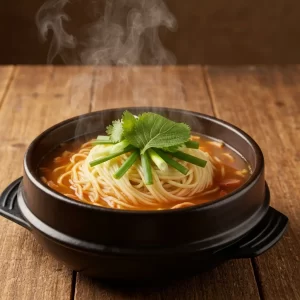 .
.