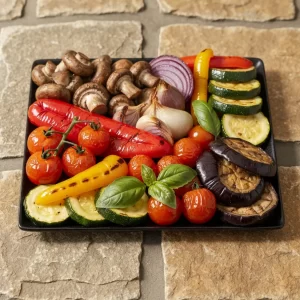
There’s something undeniably captivating about a vibrant array of roasted vegetables artfully arranged on a platter-a feast for the eyes and the palate alike.The colorful roasted vegetable antipasto platter is more than just an appetizer; it’s a festivity of nature’s bounty, slow-cooked too bring out deep, smoky sweetness and tender textures. In this flavorful guide, we’ll explore the art of selecting, roasting, and pairing a variety of vegetables to create an antipasto experience that bursts with color, aroma, and taste. Whether you’re hosting a casual gathering or elevating a special meal,this platter promises to awaken your senses and inspire your culinary creativity.
Colorful roasted vegetable antipasto platters delight the senses with their vivid hues, contrasting textures, and layers of bright, natural flavors. This dish is not only a feast for the eyes but also a celebration of simple ingredients brought to life through thoughtful readiness and roasting mastery. Inspired by Mediterranean traditions were fresh vegetables and herbs are star players, this antipasto platter transforms humble produce into an irresistible centerpiece for any gathering.
Prep and Cook Time
Preparation: 20 minutes | Roasting: 35-40 minutes | Total: 1 hour
Yield
Serves 6-8 as an appetizer
Difficulty Level
Easy to Medium
Ingredients
- 1 large red bell pepper, seeded and cut into 1-inch strips
- 1 large yellow bell pepper, seeded and cut into 1-inch strips
- 1 medium zucchini, sliced into 1/2-inch thick rounds
- 1 medium eggplant, cut into 1-inch cubes
- 1 cup cherry tomatoes
- 1 small red onion, sliced into thin wedges
- 8 oz button mushrooms, halved
- 3 tbsp extra virgin olive oil, divided
- 2 tbsp balsamic vinegar
- 2 cloves garlic, minced
- 1 tsp dried oregano
- 1 tsp fresh rosemary, finely chopped
- 1 tbsp fresh thyme leaves
- Salt and freshly ground black pepper, to taste
- Fresh basil leaves, for garnish
- 1/4 cup toasted pine nuts, optional for topping
Instructions
- Preheat your oven to 425°F (220°C). Line two large baking sheets with parchment paper to prevent sticking and allow space for even roasting.
- Prepare the vegetables. Place the bell peppers, zucchini, eggplant, onion wedges, and mushrooms in a large mixing bowl. Add 2 tbsp olive oil, minced garlic, dried oregano, freshly chopped rosemary, thyme, salt, and pepper. Toss gently to coat all pieces evenly. The herbs will infuse the vegetables with earthy fragrance as they roast.
- Spread the vegetables in a single layer across the baking sheets. Avoid overcrowding to ensure they roast rather than steam, helping them develop a golden caramelized exterior that enhances their natural sweetness.
- Roast for 25-30 minutes, turning once halfway through until the vegetables are tender and lightly charred at edges. Add the cherry tomatoes in the last 10 minutes of roasting as they cook quickly and will burst slightly, adding juicy bursts of flavor.
- While roasting,prepare the marinade: whisk together 1 tbsp olive oil with 2 tbsp balsamic vinegar,and a pinch of salt and pepper. This bright, tangy marinade will complement the caramelized vegetables beautifully.
- Transfer the roasted vegetables to a large serving platter and drizzle the balsamic marinade over the top. toss gently to combine or serve the marinade on the side for dipping.
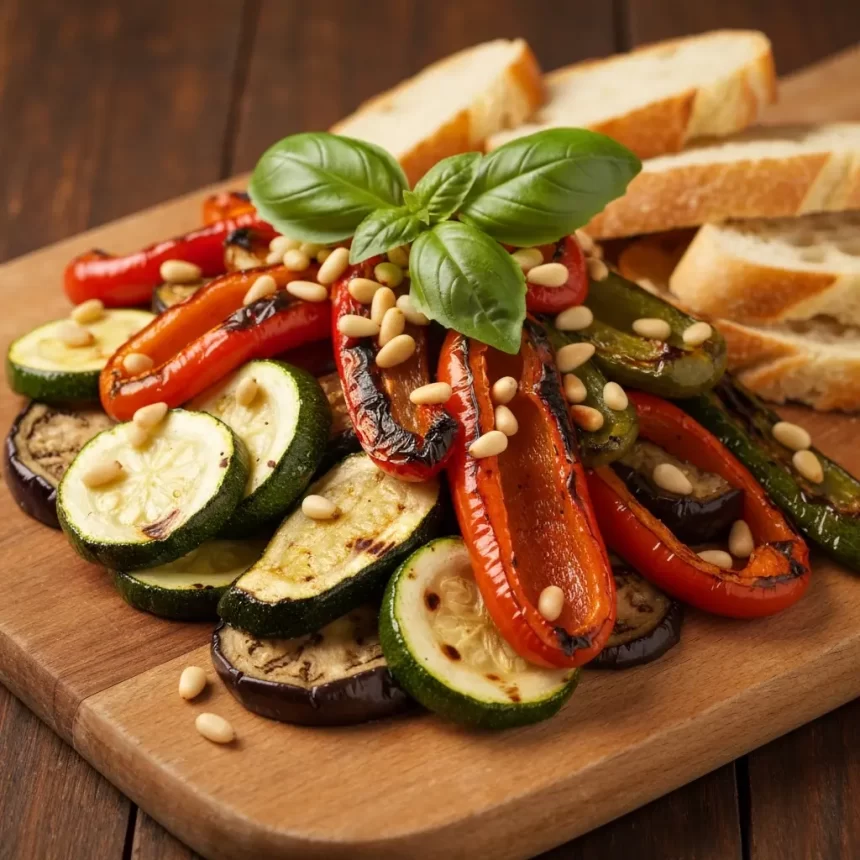
- Garnish with fresh basil leaves and sprinkle with toasted pine nuts if using. The nuts add an inviting crunch and a subtle nutty depth to contrast the tender vegetables.
- Serve slightly warm or at room temperature alongside crusty bread, olives, and your favorite cheeses for a vibrant antipasto experience.
tips for Success
- Choose firm, fresh vegetables free of blemishes to ensure vibrant colors and optimal roasting.
- Cut vegetables uniformly for even cooking-large pieces can remain tough while smaller slices might burn.
- Don’t skip the separation: giving each vegetable room on the pan is key to caramelization rather than steaming.
- Experiment with herb blends such as fresh parsley, marjoram, or tarragon for unique flavor twists.
- Make ahead: Roast vegetables a day in advance, store refrigerated, and toss in marinade before serving to deepen flavors.
- For added texture, grill key vegetables like eggplant or bell peppers before roasting to intensify smokiness.
Serving Suggestions
Arrange the colorful roasted vegetables thoughtfully on a large wooden or ceramic platter to showcase their vibrant palette. Layer contrasting colors side by side for maximum visual impact. Add small bowls of marinated olives, roasted garlic cloves, or tangy ricotta for variety. Fresh basil scattered on top enhances both aroma and elegance. Serve with crisp, toasted baguette slices or rustic focaccia to scoop and savor every bite.
Pair this antipasto platter with a chilled glass of dry white wine, such as Pinot Grigio or Sauvignon Blanc, to balance the roasted sweetness and herbal brightness. Whether as a party appetizer or a light summer meal, it promises to be a colorful crowd-pleaser.
Nutrition Facts
| Nutrient | Per Serving (approx.) |
|---|---|
| Calories | 110 kcal |
| Protein | 3 g |
| Carbohydrates | 15 g |
| Fat | 6 g |
For more inspiration on assembling antipasto delights, check out our Mediterranean Antipasto Essentials Guide. Discover the history and art of antipasto platters at Eataly, a renowned culinary resource.


Q&A
Q&A: Colorful Roasted Vegetable Antipasto Platter – A Flavorful Guide
Q1: What exactly is an antipasto platter, and how does the vegetable version differ?
A1: Traditionally, an antipasto platter is an Italian appetizer featuring cured meats, cheeses, olives, and pickled vegetables. The vegetable version swaps out the meats for vibrant, roasted veggies, creating a fresh, colorful, and equally flavorful spread that’s perfect for vegetarians or anyone craving a lighter start to their meal.
Q2: Why roast the vegetables rather of serving them raw or steamed?
A2: Roasting vegetables caramelizes their natural sugars, deepening their flavors and adding a delightful smokiness. This method transforms humble veggies into savory bites with crispy edges and tender hearts, making the antipasto platter more dynamic and mouthwatering.
Q3: which vegetables work best for a roasted antipasto platter?
A3: The best picks are colorful and sturdy vegetables that roast well without becoming mushy. Think vibrant bell peppers in reds, yellows, and oranges; earthy eggplants; tender zucchini; sweet cherry tomatoes; and firm artichoke hearts. Don’t forget mushrooms and asparagus for extra umami and crunch!
Q4: How do you get that perfect balance of texture and taste?
A4: start by cutting veggies into uniform pieces for even roasting. Toss them lightly in olive oil, salt, pepper, and herbs like rosemary or thyme. Roast at a high temperature until edges are caramelized and slightly crisp but interiors remain succulent.A splash of balsamic vinegar or a sprinkle of chili flakes can add complexity and brightness to the final platter.
Q5: What are some secret ingredients or tips to elevate the antipasto experience?
A5: Drizzle roasted garlic or herb-infused olive oil over the platter before serving to amp up the aroma. Add marinated olives, sun-dried tomatoes, or a scattering of fresh basil leaves for bursts of tang and freshness. and don’t shy away from pairing with rustic bread or creamy cheeses like burrata for contrast.Q6: Can this platter be prepared ahead of time?
A6: Absolutely! The veggies can be roasted a day in advance and stored in the fridge. bring to room temperature before assembling the platter and adding fresh herbs or finishing touches. This makes entertaining stress-free while preserving those vibrant colors and garden-fresh flavors.
Q7: What occasions are perfect for serving a colorful roasted vegetable antipasto platter?
A7: From casual family dinners and picnics to elegant cocktail parties or festive holiday gatherings, this platter shines anywhere you want to impress with minimal fuss. Its eye-catching array of colors and flavors always gets guests talking-and reaching for seconds!
Q8: How can I customize my antipasto platter to suit different dietary needs?
A8: this platter is inherently vegetarian and can be made vegan by skipping cheese or using plant-based alternatives. For gluten-free fare, pair with gluten-free crackers or crispbreads. And for low-carb or keto, focus on non-starchy vegetables and rich, flavorful dips like pesto or tapenade.
Ready to roast, arrange, and wow? Your colorful roasted vegetable antipasto platter awaits-vibrant, flavorful, and irresistibly inviting!
Final Thoughts
As vibrant as a painter’s palette and as inviting as a shared feast, the colorful roasted vegetable antipasto platter transforms simple ingredients into a celebration of flavor and texture. Whether you’re entertaining guests or simply savoring a wholesome bite, this dish invites you to explore the delightful harmony of smoky, sweet, and tangy notes with every bite.Embrace the art of roasting, mix and match your favorite vegetables, and let your platter tell a story of creativity and care. In the world of antipasto, color isn’t just visual-it’s a promise of the rich, soulful experience that awaits on your palate. So gather your ingredients, fire up your oven, and let your culinary adventure begin.