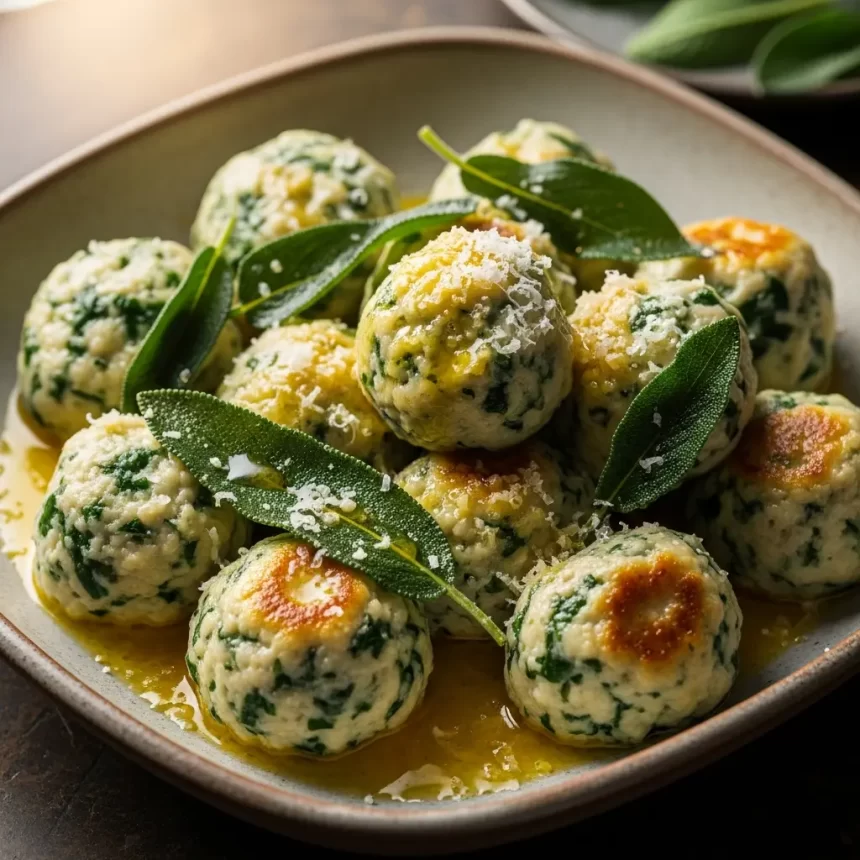
Imagine sinking your fork into pillowy clouds of tender ricotta and vibrant spinach, each bite melting effortlessly on your tongue. Fluffy Ricotta & Spinach Gnudi, often described as the “naked ravioli,” is a treasured Italian delicacy that celebrates simplicity and elegance in every morsel. Unlike traditional pasta, these light dumplings highlight the fresh, wholesome flavors of their ingredients without the heaviness of dough, making them a perfect dish for those who crave comfort with a touch of sophistication. In this article, we’ll explore the origins, the secrets to achieving that iconic fluffiness, and tips to serve this delightful dish that has won the hearts of Italian food lovers around the world.
Exploring the Origins and Tradition Behind Ricotta and Spinach Gnudi
Fluffy ricotta and spinach gnudi carry the soul of Tuscany’s countryside on a plate, offering a delicate choice to traditional gnocchi. These pillowy morsels trace their roots to ancient Italian kitchens, where resourceful cooks transformed simple, fresh ingredients into a comforting and elegant dish. Unlike gnocchi,gnudi uses ricotta cheese as the star,lending an ethereal lightness that melts in your mouth. The vibrant spinach adds a subtle earthiness, deepening the flavors while honoring seasonal harvests and rustic Italian homestyle cooking.
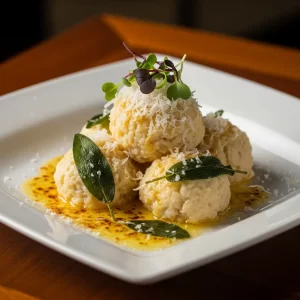
Growing up near Florence, I recall how my Nonna woudl lovingly press handfuls of gnudi into boiling water, coaxing them into a lovely dance atop her wooden spoon before sliding them onto a warm plate shimmering with browned butter and sage. This dish is as much about technique as it is tradition-perfecting the fluffy ricotta and spinach gnudi at home feels like embracing a piece of Italy’s culinary heritage.
Prep and Cook Time
- Preparation: 20 minutes
- Cooking: 10 minutes
- Total Time: 30 minutes
Yield
Serves 4 generously as a main course or 6 as a delicate starter.
Difficulty Level
Medium – Requires gentle handling and some technique but absolutely accessible with a bit of care.
Ingredients
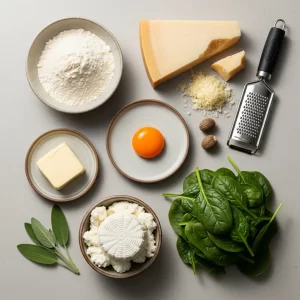
- 1 ½ cups fresh ricotta cheese (well-drained)
- 1 cup fresh spinach leaves (blanched, squeezed dry, and finely chopped)
- ¾ cup all-purpose flour (plus extra for dusting)
- 1 large egg yolk
- ½ cup grated Parmigiano-Reggiano cheese
- Salt, to taste
- Freshly ground black pepper, to taste
- A pinch of freshly grated nutmeg
- Unsalted butter, for finishing
- Fresh sage leaves, for garnish
Instructions
- Prep the spinach: Blanch the spinach in boiling water for 30 seconds, then promptly transfer to ice water. Squeeze out all excess moisture and finely chop. Excess water will make gnudi too wet and tricky to handle.
- Mix the dough: In a large bowl, combine the well-drained ricotta, chopped spinach, egg yolk, grated Parmigiano-reggiano, salt, pepper, and nutmeg. stir until evenly incorporated.
- Add the flour: Gradually fold in ¾ cup flour, gently incorporating to form a soft, slightly sticky dough. Avoid over-mixing to keep the gnudi light.
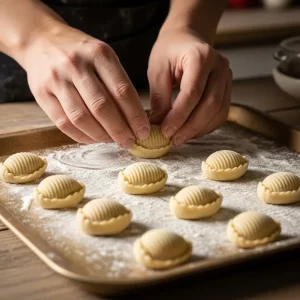
- Shape the gnudi: lightly flour your hands and form small, slightly oval dumplings about the size of walnuts.Place them on a floured baking sheet to prevent sticking.
- Cook gently: Bring a large pot of salted water to a simmer (not a rapid boil). Drop gnudi in batches; they’re done when they rise to the surface (about 2-3 minutes). Use a slotted spoon to gently remove them and drain briefly.
- Finish in butter and sage: In a sauté pan, melt unsalted butter over medium heat. Add fresh sage leaves and cook until the butter is fragrant and golden.Gently toss the cooked gnudi in the sage butter to coat.
- serve immediately: Plate the gnudi warm, spooning over any remaining butter and sage. A final sprinkle of Parmigiano-Reggiano and freshly cracked black pepper elevates the dish beautifully.
Tips for Success
- Drain the ricotta: Use a fine mesh sieve or cheesecloth to remove excess moisture from ricotta ahead of time; this is critical for maintaining fluffiness.
- Don’t over-flour: Add flour gradually. You want a soft, delicate dough-too much flour makes gnudi heavy and dry.
- Handle gently: These dumplings are fragile, so avoid rough handling and be careful when shaping and cooking.
- Make ahead note: Assemble gnudi and freeze them on a tray; once solid, transfer to a bag and cook from frozen-add 30 seconds to cooking time.
- substitutions: Substitute Parmigiano-Reggiano with aged Grana Padano for similar depth. fresh spinach can be swapped for tender Swiss chard for a more pronounced earthiness.
Serving Suggestions and Pairing Ideas to Elevate Your Gnudi Experience
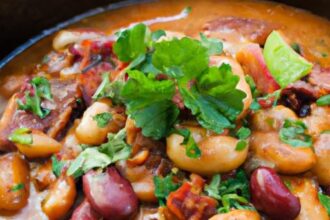
The delight of fluffy ricotta and spinach gnudi lies in their tender texture and gentle flavors, so they pair wonderfully with simple, complementary elements.Serve with a drizzle of browned butter and crispy sage leaves, letting the nutty aroma infuse every bite.
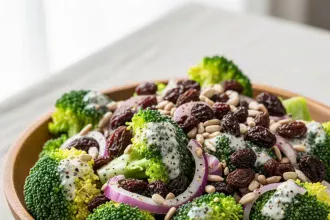
For a fresh contrast, accompany with a vibrant salad of arugula, lemon zest, and shaved Parmesan. A light tomato ragu or a drizzle of basil pesto also creates a harmonious flavour balance.

To elevate your gnudi experience, consider pairing with a crisp Italian white wine such as Vermentino or a lightly chilled Soave-both accentuate the creamy richness without overwhelming the palate.
Finish the plate with a garnish of cracked black pepper,a sprinkle of toasted pine nuts,or a gentle shower of microgreens for visual charm and a subtle bite.
| Nutrient | Per Serving (4 servings) |
|---|---|
| Calories | 320 kcal |
| Protein | 15 g |
| Carbohydrates | 28 g |
| Fat | 14 g |
Discover more Italian classics and elevate your culinary skills by exploring our Classic Italian Pasta Recipes. For detailed information on ricotta’s role in Italy’s rich cheese traditions, head over to Cheese Month Club.
Q&A
Q&A: Fluffy Ricotta & Spinach Gnudi – A Tasty Italian Delight
Q1: What exactly are gnudi,and how do they differ from traditional gnocchi?
A1: Gnudi,often called “naked ravioli,” are delicate pillows made primarily from ricotta cheese and spinach,unlike traditional gnocchi,which are potato-based. while gnocchi are doughy and dense, gnudi boast a light, fluffy texture thanks to the ricotta, making them an ethereal Italian delight that melts on your tongue.
Q2: Where did gnudi originate, and what is their cultural meaning?
A2: Gnudi hail from Tuscany, Italy, where simplicity and quality ingredients reign supreme. Historically, they were born as a clever way for Tuscan cooks to use leftover ravioli fillings without encasing them in pasta. This rustic treat reflects the Italian love for ingredient-driven dishes that celebrate flavor with minimal fuss.
Q3: What makes ricotta and spinach an ideal pairing for gnudi?
A3: Ricotta’s creamy richness pairs beautifully with the earthiness of fresh spinach, creating a harmonious balance that feels both indulgent and fresh. spinach adds vibrant color and a subtle vegetal note, while ricotta provides the tender cloud-like body characteristic of gnudi. Together, they form a luscious bite that’s both nutritious and comforting.
Q4: how do you achieve that perfect fluffy texture when making gnudi?
A4: The secret lies in gentle handling and the right ratio of ingredients. using high-quality ricotta (drained well to remove excess moisture) ensures the dough isn’t watery. Incorporating just enough flour and a touch of semolina or parmesan helps bind the mixture without weighing it down. Lightly rolling the dough, shaping small pillows by hand, and boiling them briefly until they float are key steps to that pillowy, melt-in-the-mouth texture.
Q5: What sauces complement ricotta and spinach gnudi best?
A5: Simplicity is best to let the gnudi shine. Classic sage brown butter sauce drenches the gnudi in a nutty, aromatic cloak that enhances their delicate flavor.Alternatively, a fresh tomato and basil sauce offers luminous acidity, while a light drizzle of olive oil with lemon zest and toasted pine nuts adds a refreshing twist. Creamy mushroom sauces or pesto also bring a rich, herbal dimension to the dish.
Q6: Can gnudi be made ahead or frozen for convenience?
A6: Absolutely! Gnudi freeze beautifully when shaped and placed on a baking sheet lined with parchment paper. Once frozen solid, transfer them to a sealed container or bag; they’ll keep for up to three months. When ready to eat, drop them frozen straight into simmering water-the cooking time might be slightly longer, but the texture remains wonderfully tender.Q7: Are ther variations to the classic ricotta & spinach gnudi recipe?
A7: Certainly! While ricotta and spinach form the classic base, many chefs experiment with additions like grilled artichokes, sautéed mushrooms, or finely chopped herbs such as mint or parsley to elevate the flavors. Some even swap spinach for Swiss chard or kale for a seasonal touch. A sprinkle of nutmeg or lemon zest in the dough can also add subtle warmth or brightness.
Q8: Why should home cooks try making gnudi instead of buying premade pasta?
A8: Making gnudi at home is a rewarding journey into Italian tradition-the freshness and texture you achieve homemade are unmatched. It’s a chance to connect with simple ingredients, master delicate technique, and impress family or guests with a dish that feels both rustic and refined. Plus,it’s a fun,hands-on experience that brings the soul of Tuscany right to your dinner table.
Whether you’re a seasoned pasta lover or an adventurous cook, fluffy ricotta and spinach gnudi invite you to savor a timeless Italian treasure-light as a cloud, rich as a secret, and utterly delicious. Buon appetito!
In Conclusion
In the world of Italian cuisine, few dishes capture the heart quiet like fluffy ricotta and spinach gnudi. These tender pillows of flavor offer a delightful balance of creamy richness and subtle earthiness,showcasing the simple elegance of Italy’s culinary traditions. Whether served with a light butter sauce, a sprinkle of fresh herbs, or a dusting of Parmesan, gnudi invite both novice cooks and seasoned food lovers to savor a truly comforting experience.So next time you seek a dish that feels like a warm embrace from the Italian countryside, remember the magic of gnudi-where every bite tells a story of heritage, flavor, and pure deliciousness. Buon appetito!