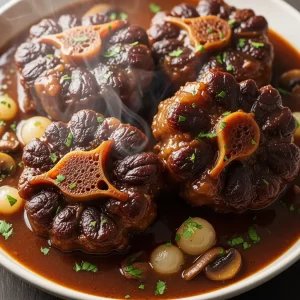
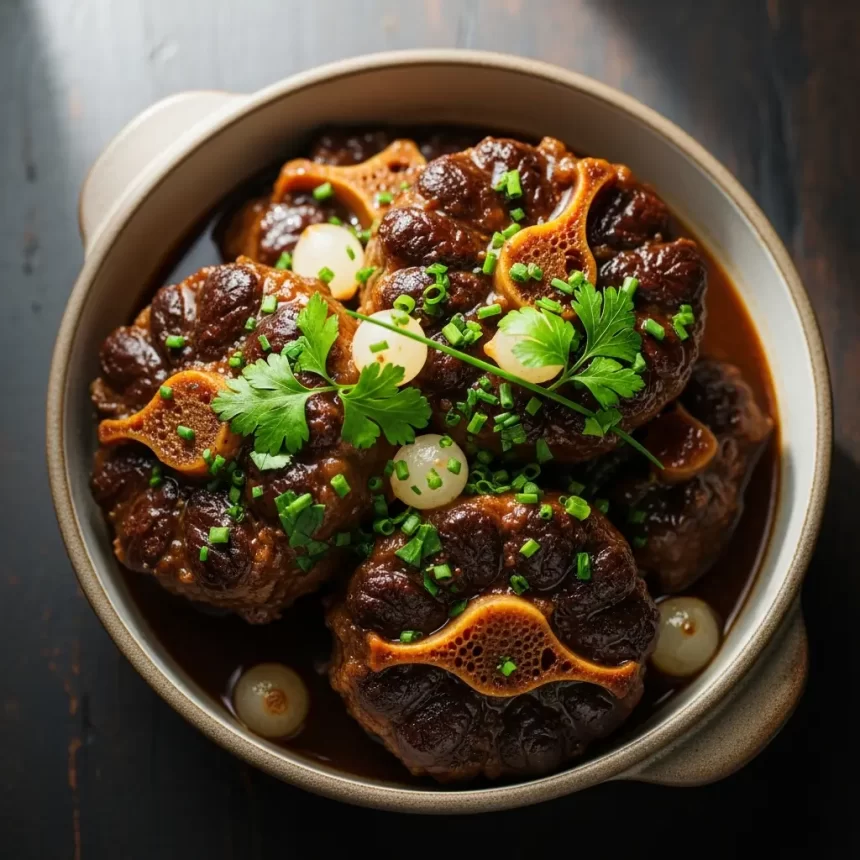
ThereS something undeniably magical about beef oxtail-a cut that transforms humble ingredients into a dish bursting with rich, gelatinous depth and unmatchable flavor. Once overlooked as a culinary curiosity, oxtail has surged in popularity among chefs and home cooks alike, celebrated for its soulful, slow-cooked tenderness. But mastering this unique cut requires more than just patience; it demands an understanding of its texture, cooking techniques, and flavor-building secrets. In this savory guide, we’ll unlock the art and science behind perfect oxtail, inviting you to dive into a world where every bite tells a story of tradition, skill, and sumptuous indulgence. Get ready to elevate your kitchen prowess and savor beef oxtail like never before.
Selecting Prime cuts and preparing Oxtail for optimal Flavor
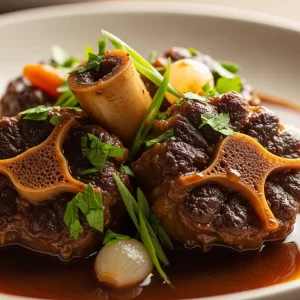
Mastering Beef Oxtail begins with selecting the perfect cuts-this rich, gelatinous meat demands attention before any cooking commences. Seek out pieces that showcase a beautiful balance of meat,fat,and bone.Ideally, the oxtail segments should be fresh, firm, and with a deep red color, speckled with creamy white marrow at the center of each vertebra. This marrow is the heart of the dish’s flavor, offering an indulgent, silky depth once slowly cooked.
Before embarking on your journey with oxtail, ask your butcher to cut the tail into 2-inch thick slices. If you’re fortunate to have access to grass-fed or pasture-raised beef,thes will yield richer,more complex flavors that elevate your final dish.
For optimal flavor, begin by rinsing the oxtail in cold water, then pat dry thoroughly. This step ensures a clean canvas for browning-the cornerstone of flavorful slow-cooked meats. Use paper towels to remove any residual moisture to foster proper caramelization.
Unlocking the Secrets of Slow Cooking and Braising Techniques
Slow cooking and braising transform the tough collagen-ridden oxtail into melt-in-your-mouth tenderness that speaks volumes. The secret lies in gentle, consistent heat paired with moisture retention. Browning the oxtail pieces in a heavy skillet before slow cooking develops Maillard reactions, adding layers of savory complexity.
Once browned to a rich mahogany hue, transfer the meat to a heavy-bottomed pot or Dutch oven. Deglaze the pan with a splash of red wine or beef broth, scraping up all those caramelized bits-this is concentrated flavor gold. Add aromatic vegetables and rich liquid, covering the oxtail just enough to submerge it halfway to encourage a deep braise rather than boiling.
Cook low and slow-typically 3 to 4 hours at 300°F (or simmering on the stove) until the meat is tender and the collagen has converted into luscious gelatin. This process will fill your kitchen with an intoxicating aroma-a promise of the deep, hearty results to come.
Crafting Rich and Balanced Broths for Deep Savory Notes
The broth is the soul of your oxtail dish. Start with a base of homemade or high-quality beef stock; this will lift the braise beyond simple cooking liquid to an umami-rich elixir. Roast bones and mirepoix (carrots,celery,onions) ahead of time to incorporate roasted notes and subtle sweetness.

Add classic herbs like thyme and bay leaves early in the braise to infuse the broth with earthy warmth. A touch of tomato paste, browned with your browned oxtail, introduces acidity and depth, balancing the richness. Taste regularly, adjusting seasoning mid-cook with kosher salt and cracked black pepper.
The finished broth should be glossy, thickened slightly by the natural gelatin from the bones and oxtail meat-vibrant, savory, and utterly mouthcoating. Skim any excess fat if desired but don’t remove all-the fat amplifies the flavor and silkiness.
elevating Your Dish with Complementary Herbs and Serving Suggestions
Fresh herbs like parsley and chives sprinkled at the last minute bring brightness that cuts through the richness. For a faint warmth and herbal complexity, a few sprigs of rosemary or a hint of smoked paprika can enrich the profile without overpowering the dish.
Serving Mastering Beef Oxtail demands thoughtful accompaniments. creamy mashed potatoes or buttery polenta provide the perfect gentle contrast to the intensely savory sauce.For vibrant texture, consider sautéed greens like spinach or kale tossed with garlic and lemon zest.
For an elegant presentation, spoon the rich broth generously over the shredded oxtail meat, garnishing with fresh herbs and a grind of black pepper. Add a side of crusty artisan bread to soak up every luscious drop-this is the comfort food experience elevated to fine dining.
Learn more on Serious Eats about the benefits of slow-braising cuts like oxtail and how this method unlocks unparalleled tenderness and flavor.
Prep and Cook Time
- Preparation Time: 30 minutes
- Cook Time: 3.5 to 4 hours
- Total Time: 4 to 4.5 hours
Yield
- Serves 6 generously
Difficulty Level
- Intermediate: Requires patience and layering of flavors
Ingredients
- 3 lbs beef oxtail, cut into 2-inch segments
- 2 tbsp olive oil
- 1 large onion, diced
- 2 carrots, peeled and chopped
- 2 celery stalks, chopped
- 4 cloves garlic, minced
- 2 tbsp tomato past
- 6 cups beef stock
- 2 sprigs fresh thyme
- 2 bay leaves
- salt and freshly ground black pepper, to taste
- Fresh parsley, finely chopped, for garnish
Instructions
- pat dry the oxtail pieces with paper towels to ensure a crisp brown crust.
- Heat olive oil over medium-high in a large Dutch oven. Add oxtail in batches, browning all sides evenly (about 5-7 minutes per batch). Remove and set aside.
- Add diced onions, carrots, and celery to the pot. Sauté until softened and beginning to caramelize, about 6 minutes, stirring occasionally.
- Stir in minced garlic and tomato paste; cook for 2 minutes until fragrant and paste deepens in color.
- Pour in the red wine to deglaze the pot, scraping up all browned bits with a wooden spoon. Simmer 3-5 minutes to reduce slightly.
- Return oxtail pieces to the pot, pour in beef stock until halfway submerged, and add thyme and bay leaves.
- Bring to a gentle simmer, then cover with a tight-fitting lid and transfer to a preheated oven at 300°F (150°C). Cook for 3.5 to 4 hours until meat is tender and falling off the bone.
- Remove thyme sprigs and bay leaves. Skim excess fat if desired. Adjust seasoning with salt and pepper.
- Serve hot, garnished with fresh parsley and accompanied by your favorite creamy side.
Tips for Success
- Brown thoroughly: Don’t rush the browning step; the deep color is essential for flavor development.
- Low and slow: Maintain gentle simmering-high heat will toughen the meat.
- Make ahead: This dish improves overnight as flavors meld. Reheat gently, adding broth if needed.
- Substitutions: if unavailable, knuckle or shank can be a secondary option but keep in mind oxtail’s superior gelatin content.
Serving Suggestions
Present with buttery mashed potatoes or creamy polenta to soak up the luscious sauce. Brighten with sautéed garlic spinach or roasted root vegetables for textural contrast. A crisp green salad with citrus vinaigrette makes an excellent refreshing side. For a rustic feel, pair with crusty sourdough bread.
| Nutrient | Per Serving |
|---|---|
| Calories | 450 kcal |
| Protein | 36 g |
| Carbohydrates | 9 g |
| Fat | 25 g |
Discover related beef cuts perfect for slow cooking and expand your culinary repertoire today.
Q&A
Q&A: Mastering Beef Oxtail – A Savory Guide to Perfect Cooking
Q1: What makes beef oxtail such a unique ingredient in cooking?
A: Beef oxtail is a culinary treasure trove-rich in gelatin and flavor, it transforms humble cuts into luxuriously silky broths and tender bites. Its unique structure, with marrow-filled bones surrounded by succulent meat and connective tissue, creates depth in stews, soups, and braises that other cuts simply can’t match.
Q2: Is oxtail difficult to cook, and how long dose it usually take?
A: Patience is the secret to mastering beef oxtail. As it’s a tough, collagen-rich cut, low and slow cooking-frequently enough 3 to 4 hours-is key to unlocking its tender, melt-in-your-mouth magic. Whether braised or simmered,slow cooking breaks down the fibers and releases rich flavors that make it worth the wait.
Q3: What are the best cooking methods for beef oxtail?
A: Braising and slow simmering reign supreme when it comes to oxtail. Start by searing the oxtail to develop a caramelized crust, then cook it submerged in flavorful liquids like red wine, beef stock, or seasoned broth. Slow cookers, Dutch ovens, or pressure cookers are perfect allies for achieving that fall-off-the-bone tenderness.
Q4: How should beef oxtail be prepared before cooking?
A: Preparation is simple but essential. Rinse the oxtail pieces and pat them dry. Season generously with salt and pepper-don’t shy away from fragrant spices, garlic, or herbs. Browning the meat first not only adds depth but also helps lock in juices for the final dish.
Q5: Can beef oxtail be used in dishes beyond stews and soups?
A: Absolutely! Beyond customary hearty stews and soups, oxtail shines in creative culinary adventures. Think rich ragù over hand-made pasta, crispy fried bites tossed in spicy glaze, or even slow-braised tacos bursting with unctuous, flavorful meat. Its versatility invites experimentation.
Q6: What are some tips for ensuring a rich and flavorful oxtail broth?
A: To achieve a deeply savory broth, include aromatic vegetables like onions, carrots, and celery, alongside robust herbs such as thyme, bay leaves, and parsley.Don’t forget to skim off impurities during the initial simmer to keep your broth clear. Slow simmering allows marrow and collagen to infuse the liquid, creating luscious body and complexity.
Q7: Is there anything special about serving or plating oxtail dishes?
A: Given its rich nature, balance is key-serve oxtail with something to cut through the richness, like a luminous salsa verde, tangy pickled vegetables, or a fresh green salad. A rustic bread or creamy polenta also complements the tender meat beautifully, soaking up every tasty drop of sauce.Q8: Where can I find beef oxtail, and what should I look for?
A: Specialty butcher shops and well-stocked grocery stores frequently enough carry oxtail. look for pieces with a nice amount of meat clinging to the bones and a healthy, vibrant color. Freshness is essential, so opt for cuts that are firm and slightly moist, avoiding any off odors.
Q9: How can I avoid common mistakes when cooking oxtail?
A: The biggest pitfalls are rushing the cooking time or skipping the initial sear. Under-cooked oxtail will be tough and chewy, while lacking that golden crust can result in a less flavorful dish. Also, seasoning generously throughout the process ensures every bite sings with flavor.
Q10: Why is mastering beef oxtail worth the effort?
A: Because it turns humble ingredients into unforgettable feasts. Mastering oxtail means coaxing luxury from simplicity-delivering silky textures, rich flavors, and soul-warming satisfaction. It’s a festivity of patience and technique, rewarding you with a dish worthy of family gatherings or special occasions.
By embracing the art of slow cooking and a few simple techniques, beef oxtail can elevate your kitchen repertoire from everyday to extraordinary. Ready to embark on this savory journey? Your perfect oxtail adventure awaits.
Key Takeaways
As you close the chapter on mastering beef oxtail,remember that this humble cut carries a world of rich flavors just waiting to be unlocked. With patience, the right techniques, and a touch of culinary curiosity, you transform gelatin-rich bones into a sumptuous, melt-in-your-mouth experience that delights the senses and warms the soul. Whether simmered low and slow in a fragrant stew or braised to tender perfection, beef oxtail invites you to slow down and savor the art of cooking.Embrace the journey, experiment with spices and sides, and let each dish tell its own savory story. mastering beef oxtail isn’t just about a recipe-it’s about crafting meals that linger long after the last bite.