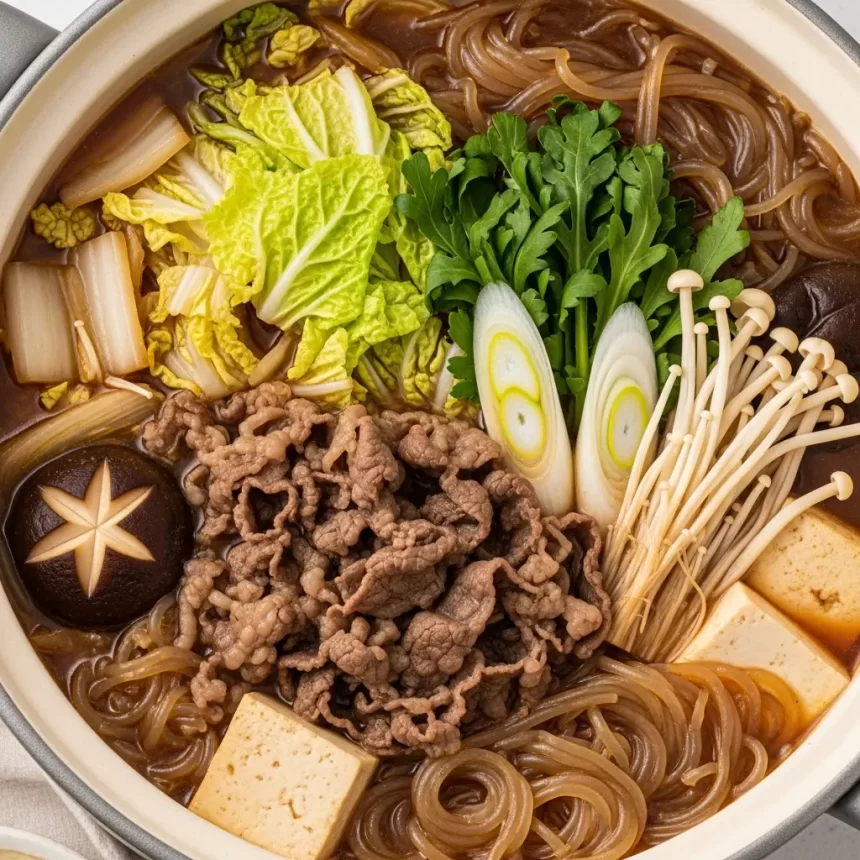
there’s something almost magical about gathering around a simmering pot of beef sukiyaki,where thinly sliced marbled beef meets a harmony of sweet,savory broth and fresh,crisp vegetables. This iconic Japanese hot pot dish is more than just a meal-it’s a celebration of flavors, tradition, and communal dining that has warmed hearts for generations. In this article, we’ll dive into the rich history, delicate preparation, and irresistible taste of beef sukiyaki, inviting you to savor each tender bite of Japan’s beloved comfort food. Weather you’re a seasoned foodie or a curious newcomer, prepare to uncover the essence of sukiyaki, where every ingredient sings and every gathering becomes unforgettable.
Savoring Beef Sukiyaki: Japan’s Iconic Hot Pot Delight
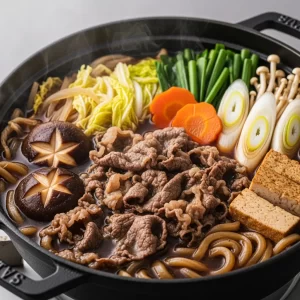
Savoring Beef Sukiyaki: Japan’s iconic hot pot delight invites you to immerse yourself in a world of tender,thinly sliced beef simmered alongside fresh vegetables in a savory-sweet broth that has warmed Japanese hearts for generations. This dish is more than just a meal-it’s a celebration of flavors, traditions, and shared moments around the table.
Origins and Cultural Meaning of Beef Sukiyaki in Japan
Sukiyaki’s roots trace back to the Meiji era, a revolutionary time when Japan opened its doors to Western influences, including beef consumption, previously uncommon in the country. This dish became a luxurious treat, symbolizing hospitality and family gathering. Traditionally prepared in a shallow iron pot,beef sukiyaki is a culinary representation of Japanese communal dining and seasonal ingredients. Each region boasts slight variations,but the core essence remains-the harmony of sweet soy broth,tender beef,and crisp vegetables served as a warm,comforting ensemble.
Prep and Cook Time
- Preparation: 15 minutes
- Cooking: 20 minutes
Yield
Serves 4 generous portions
Difficulty Level
medium – Perfect for home cooks eager to refine their hot pot skills
Essential Ingredients and preparing the Perfect Sukiyaki Broth
The soul of beef sukiyaki lies in its broth-a delicate balance of sweet and savory flavors. The quintessential sukiyaki broth blends soy sauce, mirin, sake, and granulated sugar to create that signature umami-packed sweetness. Fresh dashi or kombu stock as a base can elevate the broth, providing depth without overpowering ingredients.
- 1/2 cup soy sauce (preferably Japanese shoyu)
- 1/4 cup mirin (sweet rice wine)
- 1/4 cup sake (Japanese rice wine)
- 3 tbsp granulated sugar
- 1 cup dashi stock (kombu or bonito based)
Combine these in a saucepan over medium heat, stirring until sugar dissolves; simmer gently while you prepare other ingredients.
Mastering the Art of Cooking Thinly Sliced Beef and Fresh Vegetables
Precision is key to savoring beef sukiyaki at its finest. Choose premium,well-marbled beef-ribeye or sirloin sliced wafer-thin to melt in your mouth. Fresh seasonal vegetables add contrast: crisp Napa cabbage, tender shirataki noodles, earthy shiitake mushrooms, and aromatic negi (Japanese long onion).


- Heat a cast-iron or non-stick shallow pan over medium heat. Add a small amount of beef fat or vegetable oil.
- Briefly sauté a few slices of the beef until slightly browned, then pour in a ladle of the prepared broth.
- Arrange vegetables and tofu attractively alongside the beef, allowing them to cook gently as you continue adding broth.
- Simmer until vegetables soften but still retain a slight crunch, about 5-7 minutes.
- Encourage diners to dip cooked beef and vegetables into lightly beaten raw egg for traditional richness and smoothness.
Pairing Suggestions and Serving Tips for an Authentic Sukiyaki Experience
To truly revel in the authentic experience, serve beef sukiyaki alongside steaming bowls of fluffy white rice and chilled sake or a light Japanese lager. Presentation is part of the delight: serve in the cooking pot placed at the center of the table so guests can share directly. Garnish with freshly sliced scallions, a scattering of toasted sesame seeds, or shichimi togarashi to add warmth and spice options.
- Provide small dipping bowls with raw beaten egg for dipping the cooked ingredients
- Complement with pickled ginger or crunchy Japanese pickles (tsukemono)
- offer hot green tea or a crisp junmai sake as an ideal beverage pairing
Ingredients
- 400g thinly sliced beef ribeye (freeze slightly to slice easily)
- 1/2 Napa cabbage, chopped into bite-size pieces
- 100g shirataki noodles, rinsed and drained
- 150g shiitake mushrooms, stems removed and caps sliced
- 200g firm tofu, cut into cubes
- 2 stalks negi (Japanese long green onion), sliced diagonally
- Prepare sukiyaki broth as described above
- 2 tbsp beef fat or neutral oil (for sautéing)
- 4 raw eggs (optional, for dipping)
Instructions
- In a saucepan, combine soy sauce, mirin, sake, sugar, and dashi stock. Heat gently until sugar dissolves, then set aside.
- Prepare the vegetables and slice beef, keeping everything crisp and neatly arranged.
- Heat a cast-iron or heavy-bottomed pan over medium heat; add beef fat or oil.
- Add a few slices of beef to the pan and sauté briefly until just browned but not fully cooked,about 1 minute.
- Pour in a ladle of the sukiyaki broth, allowing the beef to simmer and imbibe flavors.
- Arrange cabbage,shirataki noodles,mushrooms,tofu,and negi around the beef in the pan.
- Let the ingredients simmer together, occasionally spooning broth over the vegetables to cook evenly, about 5-7 minutes.
- Serve directly from the pan, offering bowls of raw beaten egg for traditional dipping. Encourage diners to savor each bite dipped into the rich egg mixture for added textural contrast and flavor.
Tips for success
- Freeze beef slightly before slicing to achieve translucent,paper-thin pieces that cook quickly and stay tender.
- Use fresh, high-quality soy sauce and mirin-they drastically enhance the broth’s depth and sweetness.
- Do not overcook the vegetables; they should remain crisp to balance the tender meat.
- For a vegetarian variation, omit beef and increase tofu and mushroom quantities.
- Make broth ahead: Store the sukiyaki broth in the refrigerator for up to 3 days to save prep time on the cooking day.
Serving Suggestions
Place the sukiyaki pan on a portable tabletop burner to keep warm while dining.Arrange small plates for each party, serve with fluffy steamed rice, and add a sprinkle of sliced scallions or shichimi togarashi over the top for a vibrant pop of color and spice. A side of pickled vegetables and chilled sake completes your authentic Japanese feast.
| Nutrient | Per Serving |
|---|---|
| Calories | 420 kcal |
| Protein | 35 g |
| Carbohydrates | 18 g |
| Fat | 22 g |
For more Japanese hot pot recipes, explore our Japanese Nabemono Collection. Dive deeper into traditional Japanese cooking techniques at japan Guide: Sukiyaki Overview.
Q&A
Q&A: savoring Beef Sukiyaki – Japan’s Iconic Hot Pot Delight
Q1: What exactly is Beef Sukiyaki?
A: Beef Sukiyaki is a beloved Japanese hot pot dish that celebrates thinly sliced, tender beef cooked gently in a savory-sweet broth. Traditionally prepared at the table, it’s a communal experience where diners simmer meat and vegetables in a mixture of soy sauce, sugar, mirin, and sake, creating a rich harmony of flavors. Think of it as a warm, interactive feast that brings people together over bubbling pots and shared stories.
Q2: How does Sukiyaki stand out from other Japanese hot pots?
A: Unlike Shabu-shabu, which is more about swift, translucent cooking in a light broth, Sukiyaki is deeply infused with a sweet-savory flavor profile. Its signature broth caramelizes slightly as it cooks, coating each ingredient with a glossy umami-rich glaze. The interactive dipping into raw beaten egg adds a creamy, silky element-turning each bite into a decadent delight.
Q3: What ingredients are essential for an authentic Sukiyaki experience?
A: At the heart of Sukiyaki is prime, thinly sliced beef that almost melts in your mouth. Supporting cast members include tofu, shiitake mushrooms, enoki mushrooms, green onions, Chinese cabbage, and shirataki noodles. The broth-crafted from soy sauce, sugar, mirin, and sake-binds it all together. Fresh eggs for dipping are a must, offering that uniquely silky texture beloved by locals.
Q4: Is Sukiyaki eaten year-round or is it seasonal?
A: While you can enjoy Sukiyaki any time, it truly shines during Japan’s colder months. As the steaming pot bubbles away, it becomes a comforting antidote to winter’s chill. Its communal nature also aligns perfectly with festive gatherings, making it a dish that’s as much about warmth of company as warmth of the stew.
Q5: How do you properly enjoy sukiyaki at the table?
A: The joy of Sukiyaki unfolds step-by-step. Begin by simmering a bit of the broth with sugar and soy sauce, then brown the beef slices lightly in the pot. Add your vegetables and noodles gradually, letting them soak up the flavorful liquid. As ingredients cook,pick them out with chopsticks,dip into the raw beaten egg,and savor the layered tastes and textures.The slow, mindful pace turns eating into an experience of shared joy and culinary theater.
Q6: Can Sukiyaki be adapted for home cooks outside Japan?
A: Absolutely! While traditional ingredients might require a specialty store, many components are accessible globally. Thinly sliced beef can be substituted with well-marbled steak cut very thin. Asian markets typically carry mirin, sake, and shirataki noodles, but simplified versions can use sweet soy sauce and rice wine vinegar. The key is to balance the sweet and salty notes and embrace the interactive style of cooking right at your dining table.
Q7: What cultural significance does Sukiyaki hold in Japan?
A: Sukiyaki became popular during the Meiji era as Japan opened to Western influences, symbolizing a culinary fusion and modernization. It represents not just a meal, but a social ritual-bringing family and friends together around the hearth. Today,Sukiyaki embodies warmth,celebration,and the Japanese art of balancing flavor,texture,and communal dining.Q8: Any tips for first-timers eager to try Sukiyaki?
A: Dive in with an open mind and appetite! Don’t rush – Sukiyaki is as much about the slow simmering and savoring as the flavors themselves.Take time to dip your cooked ingredients into the raw egg-it may sound strange, but it lends a luscious richness that transforms every bite. And remember, the joy lies in sharing-Sukiyaki shines brightest when enjoyed around the table with laughter and good company.
Concluding Remarks
as the final steam rises from your bowl of beef sukiyaki, you’re not just tasting a dish-you’re experiencing a timeless tradition that brings warmth, flavor, and connection to the table. this iconic hot pot, with its harmonious blend of tender beef, savory broth, and fresh ingredients, invites you to slow down and savor every bite. Whether shared among friends or enjoyed in quiet solitude,sukiyaki embodies the essence of Japanese culinary artistry: simple yet profound,comforting yet elegant.So next time you crave a meal that tells a story, dive into a pot of sukiyaki and discover why this beloved delicacy continues to capture hearts around the world.