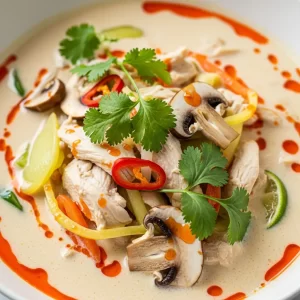
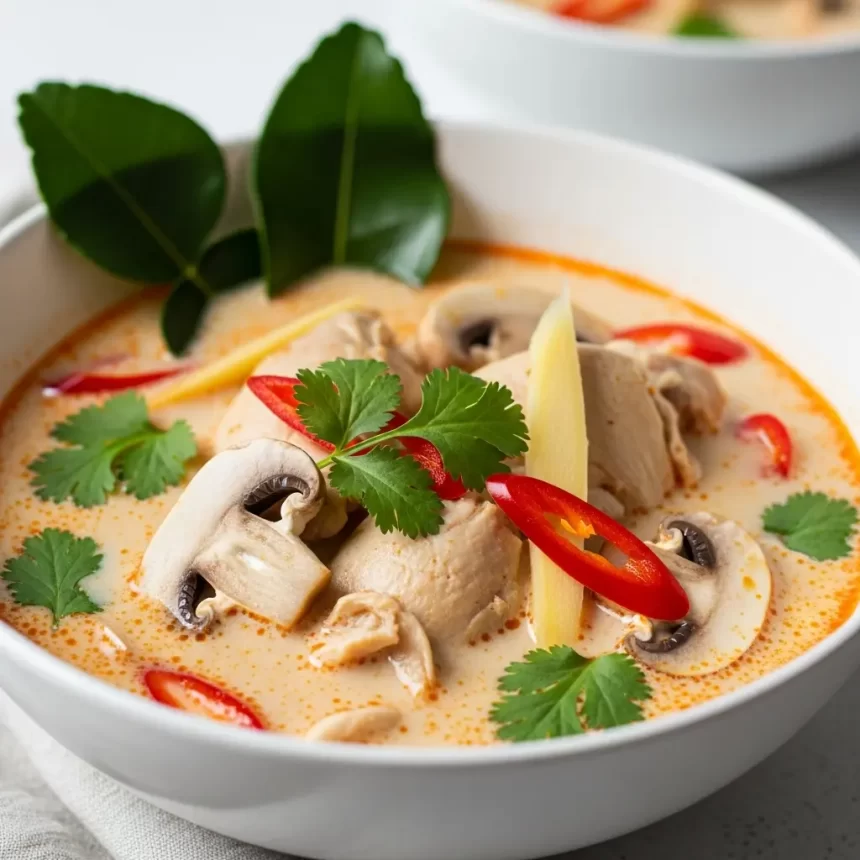
In the vibrant tapestry of Thai cuisine, few dishes capture the essence of balance and boldness quite like Tom Kha Gai. This fragrant coconut soup is a culinary symphony-where creamy coconut milk dances with tangy kaffir lime, fiery chili, and the earthy warmth of galangal, all harmonizing to create a taste that’s both comforting and exhilarating. But beyond its inviting aroma and complex flavors lies a rich story of tradition, culture, and technique waiting to be explored. Join us as we unlock the secrets of Tom Kha Gai, peeling back the layers of this iconic Thai coconut soup to reveal how it has become a beloved staple across tables worldwide.Whether you’re a curious foodie or an aspiring home cook, prepare to dive deep into the magic behind every spoonful.
Tom Kha Gai: Unlocking the Secrets of Thai Coconut soup
Tom Kha Gai is a fragrant and comforting thai coconut soup that beautifully marries creamy richness with vibrant layers of spicy, sour, and herbal flavors. Originating from the central plains of Thailand, this iconic dish has long been cherished for its unique balance of soothing coconut milk and the invigorating aroma of fresh herbs. The moment you dip your spoon into a bowl of Tom Kha Gai, you experience a culinary journey rich in tradition and depth. As a longtime food stylist and culinary content creator, I find this dish exquisite-not onyl for its flavor but for how it represents Thai hospitality and the delicate dance of opposites in cooking.
Prep and Cook Time
- Preparation Time: 15 minutes
- Cooking Time: 20 minutes
- Total Time: 35 minutes
Yield
- Serves 4 generous bowls of soup
Difficulty Level
- Easy to medium – Perfect for home cooks eager to explore authentic Thai flavors
Key Ingredients That Define the Authentic Flavors of tom Kha Gai
- 1 can (14 oz) coconut milk, preferably full-fat for that luxurious creaminess
- 2 cups chicken broth – your homemade or low-sodium store-bought version
- 300g boneless chicken breast, thinly sliced for tender bites
- 3-4 slices fresh galangal, a zesty root that’s indispensable to the soup’s signature aroma
- 3 kaffir lime leaves, gently bruised to release oils
- 2 stalks lemongrass, smashed and cut into 2-inch pieces
- 5-6 thin slices fresh Thai bird’s eye chilies, adjusted for heat preference
- 200g oyster mushrooms, ripped into bite-sized pieces for earthy texture
- 3 tablespoons fish sauce, lending the salty umami backbone
- 2 tablespoons fresh lime juice to brighten
- 1 teaspoon palm sugar or brown sugar, balancing acidity and spice
- Fresh cilantro leaves and thinly sliced scallions for garnish
Step-by-Step Guide to Crafting the Perfect Balance of Creamy and Spicy
- prepare your flavor base: In a medium pot, combine chicken broth with galangal slices, lemongrass stalks, and kaffir lime leaves.Bring to a gentle boil, then lower the heat and let it simmer for 10 minutes to infuse those vibrant Thai aromatics.
- Add the coconut milk: Slowly stir in the coconut milk, maintaining a gentle simmer to avoid curdling. This will impart the soup’s characteristic creamy texture.
- Introduce the chicken: Add the thinly sliced chicken breasts to the broth. Simmer gently for 5-7 minutes, until the chicken is cooked through and tender.
- flavor the broth: Add fish sauce, palm sugar, and most of the sliced chilies. Stir well, tasting frequently to adjust for saltiness, sweetness, and spice.
- Add mushrooms: Toss in the oyster mushrooms and cook for another 3 minutes to soften without losing their delicate texture.
- Finish with fresh acidity: Remove the soup from heat, stir in the fresh lime juice, which will brighten the flavors and balance the richness.
- Garnish and serve: Ladle into bowls and sprinkle with chopped cilantro and scallions. Serve piping hot with steamed jasmine rice or on its own for a light, aromatic experience.
Expert Tips for Customizing Your Tom Kha Gai to Suit Every Palate
- adjusting heat: If you prefer milder soup, reduce the bird’s eye chilies or use milder varieties like jalapeños. For an extra kick, add chili oil or more fresh chilies just before serving.
- Substitute proteins: Swap chicken for shrimp or tofu to cater to different diets without sacrificing flavor integrity.
- Enhancing texture: Experiment by adding baby corn, cherry tomatoes, or even baby spinach for visual interest and nutrition.
- Make-ahead: Prepare the broth base a day ahead, strain out the aromatics, and refrigerate. Add fresh ingredients and coconut milk just before serving for the freshest taste.
- Dairy-free tip: Stick strictly to coconut milk and avoid any cream additions to maintain authenticity and accommodate lactose intolerance.
Serving Suggestions
To showcase Tom Kha Gai’s vibrant flavors,serve it in wide-rimmed bowls that allow the aromatic steam to enchant as soon as it hits the table.Accompany with a side of fragrant jasmine rice or sticky rice, perfect for soaking up every luscious drop. Garnish with thin wedges of fresh lime, extra cilantro sprigs, and a scattering of finely sliced fresh chilies if you want to amplify the heat visually and texturally. Pair with a light Thai iced tea or a crisp white wine like Riesling to complement the creamy spice.
| Nutrient | Per Serving (approx.) |
|---|---|
| Calories | 280 kcal |
| Protein | 22 g |
| Carbohydrates | 8 g |
| Fat | 18 g |
For more on authentic Thai cooking techniques and flavor profiles, check out our Thai Curry Recipe Guide. To dive deeper into the cultural roots of Thai cuisine, visit the Thailand Tourism Directory.
Q&A
Tom Kha Gai: Unlocking the Secrets of Thai Coconut Soup – Q&A
Q1: What exactly is Tom Kha Gai?
A1: Tom Kha Gai is a traditional Thai soup that beautifully marries creamy coconut milk with zesty, aromatic herbs and tender chicken. The name breaks down simply: Tom means “boiled,” Kha refers to galangal root, and Gai means chicken. It’s a harmonious blend of tangy, spicy, sweet, and savory flavors-a true taste of Thailand in a bowl.
Q2: What makes Tom Kha Gai different from other Thai soups like Tom Yum?
A2: while both soups share a spicy and sour profile, Tom Kha Gai stands apart due to its rich use of coconut milk, which adds a velvety sweetness and balances the heat. Tom Yum, conversely, is clear and sharper in taste. Tom Kha gai’s creamy texture and earthy galangal give it a distinctive, comforting depth.

Q3: What are the essential ingredients in Tom kha Gai?
A3: The soul of Tom Kha Gai lies in a few key ingredients: fresh galangal slices, kaffir lime leaves, lemongrass stalks, Thai bird’s eye chilies, lime juice, fish sauce, and coconut milk. Chicken pieces (typically breast or thigh meat) gently simmer in this fragrant broth, while mushrooms often add an earthy note.
Q4: Is galangal similar to ginger?
A4: Galangal looks like ginger’s cousin but offers a sharper, more citrus-infused punch with hints of pine. It’s crucial for authentic Tom Kha Gai because it imparts that unique spicy, peppery undertone-the “Kha” that can’t be swapped out without losing the soup’s signature character.
Q5: How do thai chefs achieve the perfect balance of flavors?
A5: It’s an elegant juggling act! Tom Kha Gai thrives on the interplay of sweet coconut milk, sour lime juice, salty fish sauce, and fiery chili heat, all heightened by aromatic herbs. Thai cooks adjust each component by taste, ensuring the soup feels fresh, vibrant, and well-rounded rather than dominated by a single note.
Q6: Can Tom Kha Gai be made vegetarian or vegan?
A6: Absolutely! Swap the chicken for tofu or hearty mushrooms, and replace fish sauce with soy sauce or tamari. Using vegetable broth instead of chicken stock keeps the base flavorful. While galangal, lime, and lemongrass remain unchanged, these tweaks let vegans enjoy the soul-soothing essence of Tom Kha Gai.
Q7: What’s the best way to serve Tom Kha Gai?
A7: Traditionally, it’s served piping hot as a starter or alongside steamed jasmine rice as part of a Thai meal.The warmth and fragrance open the appetite, prepping your palate for richer dishes. Garnish with fresh cilantro and a wedge of lime to brighten every spoonful.
Q8: Why has Tom Kha Gai become popular worldwide?
A8: In an era craving authentic yet comforting global flavors, Tom Kha Gai’s creamy, spicy, and aromatic profile captivates food lovers everywhere. It’s approachable yet exotic,combining familiar ingredients like chicken and coconut milk with exciting Thai herbs,making it both accessible and delightfully adventurous.
Q9: Any insider tips for home cooks wanting to master Tom Kha Gai?
A9: Freshness is king-use fresh galangal, kaffir lime leaves, and lemongrass whenever possible. Don’t rush the simmering; let the broth gently infuse the flavors. Taste as you go and remember: the magic lies in balancing the sweet, sour, salty, and spicy elements to your liking.
Q10: Where can one experience authentic Tom Kha Gai if travel isn’t an option?
A10: Many Thai restaurants around the globe feature Tom Kha Gai,but for the truly authentic experience,look for places known for traditional recipes that prioritize fresh herbs and balanced flavor profiles. Alternatively, making it at home with real ingredients offers an intimate journey into Thai cuisine’s heart.
The Way Forward
As the final spoonful of Tom Kha Gai lingers on your palate, you’re reminded that this humble bowl of Thai coconut soup is much more than a comforting meal-it’s a vibrant tapestry woven from rich traditions, bold flavors, and a delicate balance of nature’s finest ingredients. Unlocking the secrets of Tom Kha Gai means glimpsing the heart of Thai cuisine itself: a harmonious blend of sour, sweet, salty, and spicy that dances effortlessly with the creamy warmth of coconut milk. Whether you savor it in a bustling Bangkok street market or recreate it in your own kitchen, Tom kha Gai invites you to experience a story in every sip-a delicious journey that continues to inspire and connect food lovers around the world.