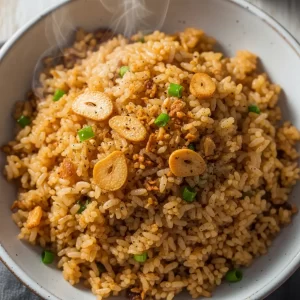
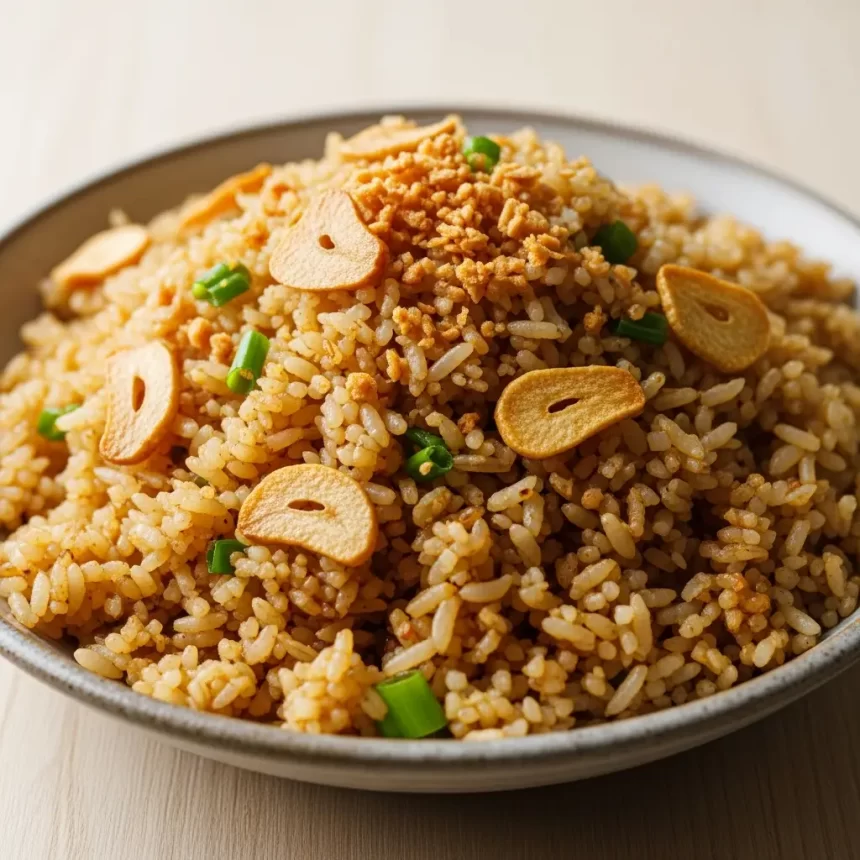
In the vibrant tapestry of Filipino cuisine, few dishes encapsulate comfort and tradition quite like sinangag-Filipino garlic fried rice. More than just a side dish, sinangag is a fragrant celebration of simple ingredients transformed through technique and time-honored practices. each grain, infused with the aromatic essence of toasted garlic, tells a story of mornings spent gathering around the breakfast table, where family and flavor awaken side by side. In this exploration of “Unlocking Flavor: The Art of Filipino Garlic Fried Rice Sinangag,” we delve into the secrets behind its irresistible aroma, the nuances of perfect texture, and the cultural heartbeat that makes this humble fried rice a beloved staple across the Philippines. Join us as we uncover how sinangag elevates everyday rice into an unforgettable culinary experience.
Unlocking flavor through the art of filipino garlic fried rice, or sinangag, invites you to savor a dish that’s humble yet rich in tradition. This fragrant fried rice elevates leftover rice with the golden aroma of toasted garlic, a beloved breakfast staple that has comforted generations of Filipino families. The secret lies not only in the fresh, vibrant ingredients but also in mastering the balance between crisp garlic bits and the fluffy texture of perfectly cooked rice.
Drawing from time-honored techniques, the ideal sinangag achieves a harmony of texture and taste-each grain kissed with garlicky essence, neither soggy nor dry. Regional flair frequently enough adds bold layers, from hints of local chilis to infused oils, making each version uniquely irresistible. Partner this garlicky treasure with classic Filipino dishes like tocino or longganisa for an authentic, heartwarming meal.
Prep and Cook Time
- Readiness: 10 minutes
- Cooking: 15 minutes
- Total Time: 25 minutes
yield
Serves 4 as a hearty side or light main
Difficulty Level
Easy – Perfect for both novice cooks and seasoned kitchen pros
Ingredients
- 4 cups cold, day-old cooked white rice (preferably jasmine or Filipino rice)
- 8 cloves garlic, thinly sliced
- 3 tablespoons vegetable oil or garlic-infused oil
- 1 teaspoon salt (adjust to taste)
- 1/2 teaspoon ground black pepper
- 1 small red chili, thinly sliced (optional, for a regional spicy twist)
- 2 tablespoons chopped scallions (for garnish)
- 1 tablespoon butter (optional, for richer flavor)
Instructions
- Prep the garlic: Gently peel and slice the garlic cloves thinly to release their aroma without burning quickly.
- Toast garlic: Heat the vegetable oil over medium heat in a large non-stick skillet or wok. Add the sliced garlic and sauté until golden brown and fragrant, about 3-5 minutes. Take care to stir occasionally and watch closely to avoid bitterness from burning.
- Remove garlic chips: Using a slotted spoon,transfer half of the toasted garlic to a bowl for garnish. Leave the rest in the pan to flavor the oil.
- add rice: Increase heat to medium-high. Carefully add the cold rice,breaking up any clumps with the back of your spatula. Stir-fry the rice, incorporating the garlic-infused oil evenly.
- Season: Sprinkle salt and black pepper evenly over the rice while continuously tossing to distribute flavor. If desired, add sliced red chili for a subtle regional heat.
- Enhance texture: For an irresistible silky finish, stir in the butter now and blend thoroughly. This step is optional but recommended for elevated richness.
- Final toss: Continue stir-frying until the rice has a subtle golden hue and a loose, fluffy texture, approximately 5-7 more minutes. Taste and adjust seasoning if necesary.
- Serve: Plate the sinangag and sprinkle the reserved crunchy garlic chips and chopped scallions on top for contrast, aroma, and vibrant color.
Tips for Success
- use precisely day-old rice stored in the fridge-it’s drier and separates beautifully, unlike freshly cooked, sticky rice.
- Maintain a moderate temperature when toasting garlic to avoid burning; golden, nutty garlic is key.
- feel free to customize your sinangag by adding regional ingredients like dried shrimp (bagoong), soy sauce, or calamansi zest to explore exciting flavor profiles.
- Make this dish ahead by preparing the garlic chips and rice separately, then finishing in a hot skillet before serving.
- For added texture and protein, garnish with fried eggs or mix in chopped longganisa.
Serving Suggestions
Present sinangag alongside traditional Filipino favorites such as sweet cured pork tocino,longganisa, or a savory piece of tapa. Top it off with a sunny-side-up egg and a slice of ripe tomato for a hearty breakfast plate. The interplay of garlicky rice, savory proteins, and fresh sides creates an authentic meal that feels both comforting and celebratory.

| Nutrient | Per Serving |
|---|---|
| Calories | 290 kcal |
| Protein | 5 g |
| Carbohydrates | 48 g |
| Fat | 7 g |
Q&A
Q&A: Unlocking Flavor – The Art of Filipino Garlic Fried Rice (Sinangag)
Q1: What makes sinangag (Filipino garlic fried rice) stand out from other garlic fried rice varieties?
A1: Sinangag is more than just garlic fried rice; it’s a comforting Filipino staple with a soul. The secret lies in its simplicity and the way the garlic is toasted to a golden crisp, releasing a nutty, aromatic flavor that infuses every grain of rice. Unlike other versions that might include a medley of vegetables or soy sauce,traditional Sinangag embraces minimalism-just garlic,oil,and day-old rice-highlighting the purity of flavors and the art of letting quality ingredients shine.
Q2: Why is day-old rice essential for making the perfect sinangag?
A2: Freshly cooked rice tends to be moist and sticky, which leads to clumpy fried rice. Day-old rice, having been refrigerated, dries out slightly, allowing each grain to separate and become delightfully fluffy when fried. This texture is crucial as it helps the garlic flavor coat every grain evenly, creating that signature light and satisfying mouthfeel that Sinangag lovers crave.Q3: How does the choice of garlic impact the flavor profile of Sinangag?
A3: Garlic is the star, so its quality and preparation make all the difference. Fresh, plump garlic cloves yield a sweeter, more aromatic taste once toasted. Thinly slicing or finely mincing garlic changes the texture and intensity-sliced garlic results in crispy, golden chips that add crunch, while minced garlic delivers a more robust, pervasive flavor. The key is to fry garlic gently over medium heat until fragrant and lightly browned, carefully avoiding bitterness.
Q4: Can Sinangag be customized, or is it best enjoyed in its traditional form?
A4: While purists prefer Sinangag in its classic form, part of its charm is adaptability.Many Filipinos jazz it up with additions like scallions, a dash of salt or bouillon, or even a splash of soy sauce for deeper umami.Some incorporate leftover meats or dried fish to turn it into a hearty main. Though you choose to customize it, the essential garlic foundation remains indispensable, keeping the dish anchored in its beloved traditions.
Q5: What dishes perfectly complement Sinangag on a Filipino breakfast table?
A5: Sinangag’s garlicky warmth pairs perfectly with the rich and savory flavors of classic Filipino breakfast fare. Think crispy tocino (sweet cured pork), salty tapa (beef jerky), tender longganisa (sausage), or a sunny-side-up egg with runny yolk. It also balances well with hearty stews and Filipino-style fried eggs, creating a harmonious medley of textures and tastes that kickstart the day with comfort and satisfaction.
Q6: Are ther any tips or common mistakes to avoid when making Sinangag at home?
A6: Absolutely! One common pitfall is burning the garlic, which results in a bitter aftertaste that overwhelms the dish. Patience is key-fry garlic slowly over medium or medium-low heat until golden and fragrant. Another tip is to avoid overcrowding the pan, which leads to steaming rather than frying the rice, affecting texture. never rinse the day-old rice before frying; those residual starches help with the perfect clinging flavor and slight crispness.
Q7: How does Sinangag embody Filipino culture beyond just being a breakfast dish?
A7: Sinangag represents resourcefulness, comfort, and communal dining-values deeply woven into Filipino life. It exemplifies how simple leftover rice can be transformed into a flavorful, hearty meal with just a handful of humble ingredients. Often paired with family-favorite viands, Sinangag is a symbol of home, warmth, and tradition, reminding Filipinos of the shared moments around the dining table that nourish both body and soul.
In Summary
As the aroma of golden garlic mingles with steaming rice, Sinangag reveals itself not just as a humble side dish, but as a celebration of flavor and tradition in every fragrant bite. Unlocking the art of Filipino garlic fried rice means embracing patience, balance, and a deep respect for simplicity that turns ordinary ingredients into a soulful experience. Whether paired with your favorite ulam or enjoyed on its own, Sinangag invites you to savor the everyday magic that’s been seasoning Filipino kitchens for generations-a true testament to how the simplest elements can create the most unforgettable taste.