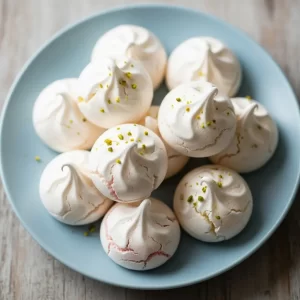
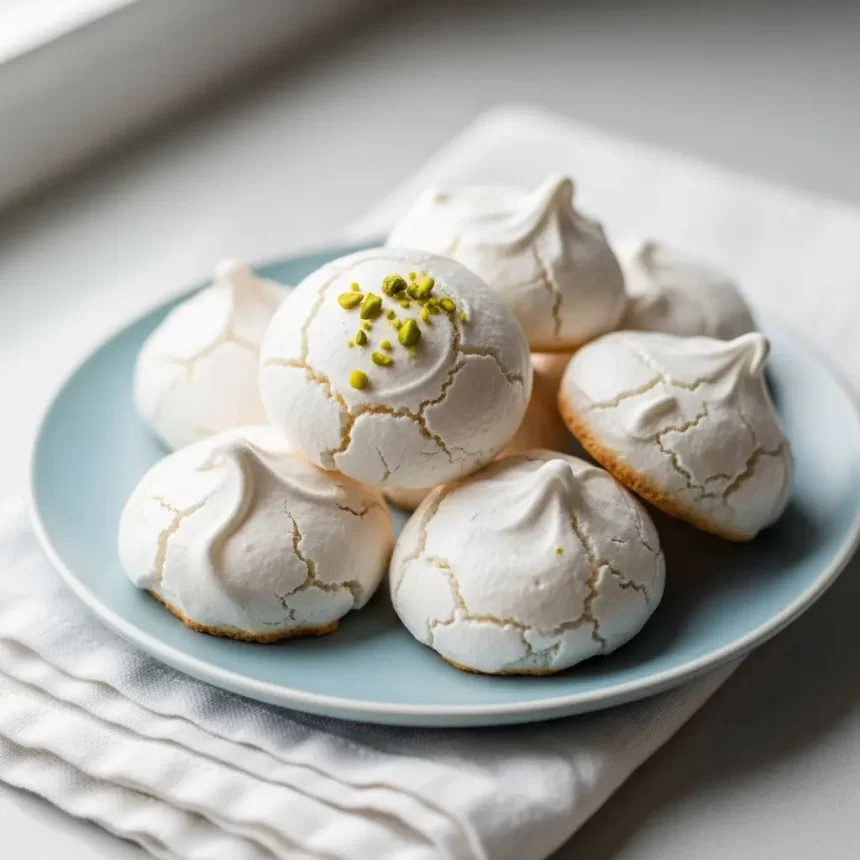
There’s a hush of excitement in kitchens everywhere as a quiet culinary revolution is taking place-one that’s fluffier, lighter, adn surprisingly plant-based. Enter the world of aquafaba meringue cookies: delicate, melt-in-your-mouth confections whipped up not from egg whites, but from the mysterious liquid leftover from cooking chickpeas. With its uncanny ability to mimic egg whites’ airy texture, aquafaba has transformed the way bakers and home cooks approach vegan and allergy-friendly desserts. In this article, we dive into the magic behind these ethereal treats, uncovering the science, the secrets, and the simple joy of whipping up meringue cookies that are as kind to animals as they are to your taste buds. Get ready to discover how to whip it good-without cracking a single egg.
Whip It Good: The Magic of Aquafaba Meringue Cookies
Unlock the delightful world of aquafaba, the miraculous plant-based egg white choice that has revolutionized vegan baking. Originating from the humble chickpea can, aquafaba is a game-changer for anyone craving the airy, cloud-like meringue experience without eggs.My journey began with curiosity and a pinch of skepticism, but the moment those glossy, billowy peaks formed in my mixing bowl, I was hooked. This ingredient not onyl whips up beautifully but also carries a subtle flavor that pairs perfectly with cookie dough, yielding irresistibly crisp yet tender meringue cookies that vanish with every bite.
Prep and Cook Time
- Prep Time: 15 minutes
- Cook Time: 90 minutes
- Cooling Time: 30 minutes
yield
- Makes approximately 24 medium-sized meringue cookies
Difficulty Level
- Medium – requires some patience and a steady hand with the whipping process
Ingredients
- 1/2 cup aquafaba (liquid from canned chickpeas, preferably unsalted)
- 3/4 cup superfine sugar
- 1/2 teaspoon cream of tartar (helps stabilize the whip)
- 1 teaspoon vanilla extract (or almond extract for a nutty twist)
- Pinch of salt
- Optional flavor infusions: 1 teaspoon cocoa powder, finely grated lemon zest, or 1/2 teaspoon ground cinnamon
Instructions
- Chill your equipment. Place your mixing bowl and whisk attachment in the refrigerator for at least 15 minutes-cold tools help aquafaba whip faster and fluffier.
- Measure the aquafaba. Pour 1/2 cup of aquafaba into the chilled bowl; if needed, strain through a fine mesh to remove any solids.
- Add cream of tartar and salt. These ingredients are key for building structure and enhancing stability.
- Whip the aquafaba. Using a stand mixer or hand mixer on medium-high speed, beat until soft peaks form-this usually takes about 5-7 minutes. You’ll notice it turns from watery to a foamy cloud.
- Gradually add sugar. Slowly sprinkle superfine sugar,one tablespoon at a time,continuing to whip to stiff,glossy peaks. This process can take 10-15 minutes, so patience is your best friend.
- Incorporate flavor. Fold in your choice of vanilla extract and optional flavor infusions with a spatula, taking care not to deflate the meringue.
- Spoon or pipe mounds onto parchment-lined baking sheets. Keep cookies about 1.5 inches apart as they will not spread much.
- Bake at 225°F (110°C) for 90 minutes. Low and slow baking dries out the meringues, locking in their delicate crunch.
- Turn off the oven. Leave cookies inside to cool wholly for at least 30 minutes; this prevents cracks from temperature changes.
- Store in an airtight container. Once cooled, these magic bites keep well for up to 5 days-if they last that long!
Tips for Success: Flavor Infusions and Texture Tweaks for Irresistible Cookies
Experimenting with flavor infusions unlocks endless possibilities. Try adding cocoa powder for a rich chocolate twist, or brighten the batch with fresh lemon or orange zest folded gently into the whipped aquafaba. For a cozy warmth, a dusting of cinnamon or a touch of cardamom creates an inviting aroma and complex flavor profile.
To enhance texture, ensure the aquafaba is purely liquid-avoid viscous or overly thick batches that won’t whip properly.for extra crispness,switch your sugar to superfine or caster sugar to dissolve quickly and fully. If humid weather threatens your meringue’s crispness, add a bit more cream of tartar or extend drying time in a slightly ajar oven.
Troubleshooting Common Aquafaba Meringue Challenges
Too Soft or Runny? Your aquafaba may lack concentration.Simmer it gently in a saucepan until reduced by half, then cool before whipping. Avoid any oil contamination, as this inhibits foam formation.
No Peaks Forming? make sure your mixing bowl and beaters are impeccably clean and free of grease.
Grainy Texture? Gradually adding the sugar and using superfine varieties prevents undissolved crystals. Whip long enough to fully dissolve the sugar for that smooth, glossy finish.
Cracking or Browning Too Fast? Bake at a low temperature and avoid opening the oven door frequently. Cool slowly in the oven or outside to prevent moisture shock.
Serving Suggestions
Present these ethereal cookies atop a rustic wooden board adorned with fresh berries and sprigs of mint for a refined yet inviting display.Use them to crown dairy-free puddings or vegan hot chocolates for added texture and sweetness. For an elegant touch, drizzle melted dark chocolate or dust with powdered sugar just before serving. You’ll find their light crunch and melt-in-the-mouth texture perfect for afternoon tea parties or as delicate gifts nestled in pretty boxes.

Nutritional Data (per cookie)
| Calories | Protein (g) | Carbohydrates (g) | Fat (g) |
|---|---|---|---|
| 45 | 1.2 | 10 | 0.1 |
For further inspiration on vegan desserts and how to elevate plant-based ingredients, explore our vegan dessert recipes. To dive deeper into the science behind aquafaba’s magic, visit Serious Eats’ comprehensive guide.
Q&A
whip It Good: the Magic of Aquafaba Meringue Cookies – Q&A
Q: What exactly is aquafaba, and why is it called “magic” in baking?
A: Aquafaba is the viscous liquid leftover from cooked chickpeas or other legumes-think of it as the unsung hero of plant-based cooking. It’s dubbed “magic” because this humble water whips up into fluffy, glossy peaks just like egg whites, making it a vegan’s dream ingredient for meringues, mousses, and more. Its unique protein and starch content mimic egg whites’ structure, allowing recipes traditionally reliant on eggs to come alive in new, egg-free ways.
Q: How does aquafaba function in meringue cookies?
A: When whipped,aquafaba traps air bubbles,creating a foamy matrix that forms the backbone of meringue. This airy structure dries into crisp, light, and melt-in-your-mouth cookies. although aquafaba lacks the protein strength of egg whites, with careful whipping and the addition of an acid (like cream of tartar or lemon juice), it achieves similar stability. The result? Delightfully airy, subtly sweet cookies with a plant-powered twist.
Q: Is aquafaba meringue as tasty and texturally satisfying as customary egg meringue?
A: Many find aquafaba meringue just as delightful, with a slightly different but equally charming flavor profile-often described as mildly beany or neutral once baked. Texture-wise, it’s surprisingly close: crisp on the outside, tender inside, and perfectly suited for sandwich cookies or topping for pies. plus, aquafaba allows people with egg allergies or vegan diets to indulge in classic meringue treats without compromise.
Q: Are there best practices or tips for whipping aquafaba into perfect peaks?
A: Absolutely! Start with chilled aquafaba for better volume. use a clean, grease-free bowl and beat on medium-high speed. Patience is key-it can take 5 to 10 minutes to reach stiff peaks. Adding an acid like cream of tartar (about 1/8 teaspoon per 3 tablespoons of aquafaba) helps stabilize the foam. Gradually incorporate sugar to sweeten and strengthen the structure. bake low and slow to dry out your airy creations without browning too much.Q: Can any type of bean water be used,or is chickpea aquafaba special?
A: Chickpea aquafaba is the most popular due to its consistent viscosity and neutral flavor,but other legumes like white beans,black beans,or lentils can work too-though flavor and whipping ability can vary. Experimentation can lead to unique tastes, but chickpea aquafaba remains the go-to for reliably fluffy and neutral-flavored meringues.
Q: How does using aquafaba for meringue cookies contribute to sustainability?
A: Using aquafaba upcycles a byproduct typically discarded when cooking legumes or opening canned beans, reducing food waste in the kitchen. Additionally, plant-based baking lowers reliance on animal agriculture, which has a larger environmental footprint. In this way, aquafaba meringues are not only flavorful but also a small but meaningful step towards greener eating habits.Q: What’s the best way to store aquafaba meringue cookies?
A: Like traditional meringues, aquafaba cookies thrive in airtight containers kept in a cool, dry place-humidity is their nemesis. Properly stored,they stay crisp for up to two weeks. avoid refrigeration, which can introduce moisture and soften their signature crunch.
Q: Any creative twists or flavor tips to elevate aquafaba meringue cookies?
A: The sky’s the limit! Add vanilla, almond extract, cocoa powder, or citrus zest to the sugar before whipping to infuse subtle aromas. Fold in finely chopped nuts or mini chocolate chips for texture contrast. For a colorful spin, use natural food coloring or dust with edible glitter. Aquafaba’s blank canvas invites you to whip up whimsy alongside sweetness.
In short,aquafaba meringue cookies embody kitchen wizardry-transforming humble bean water into ethereal bites of joy that are vegan-friendly,allergy-conscious,and wonderfully sustainable. So go ahead-whip it good and savor the magic!
Future Outlook
Whip it good, indeed! Aquafaba meringue cookies aren’t just a clever kitchen hack-they’re a testament to the magic that can unfold when creativity meets science. From humble chickpea brine to light, airy delights, this plant-based marvel redefines what it means to indulge without compromise.Whether you’re vegan, allergy-aware, or simply curious, aquafaba invites you to experiment, explore, and enjoy the sweet satisfaction of meringue-no egg required. So next time you’re craving a crisp, cloud-like treat, remember: sometimes the most unexpected ingredients hold the biggest surprises. Happy whipping!