In the ever-evolving world of baking, few challenges are as exciting as merging tradition with innovation.Enter keto sourdough bread-a delightful fusion that transforms the classic tangy loaf into a low-carb marvel. For those who crave the rustic charm and complex flavors of sourdough but need to watch their carbohydrate intake, this recipe offers a deliciously clever solution.Join us as we explore the art and science behind crafting a keto-friendly sourdough bread, where ancient fermentation meets modern dietary needs, proving that you don’t have to sacrifice flavor or texture to stay on track with yoru health goals.
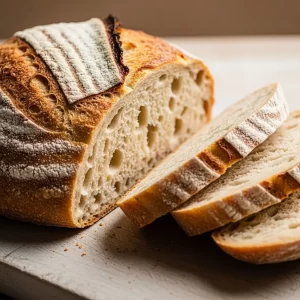
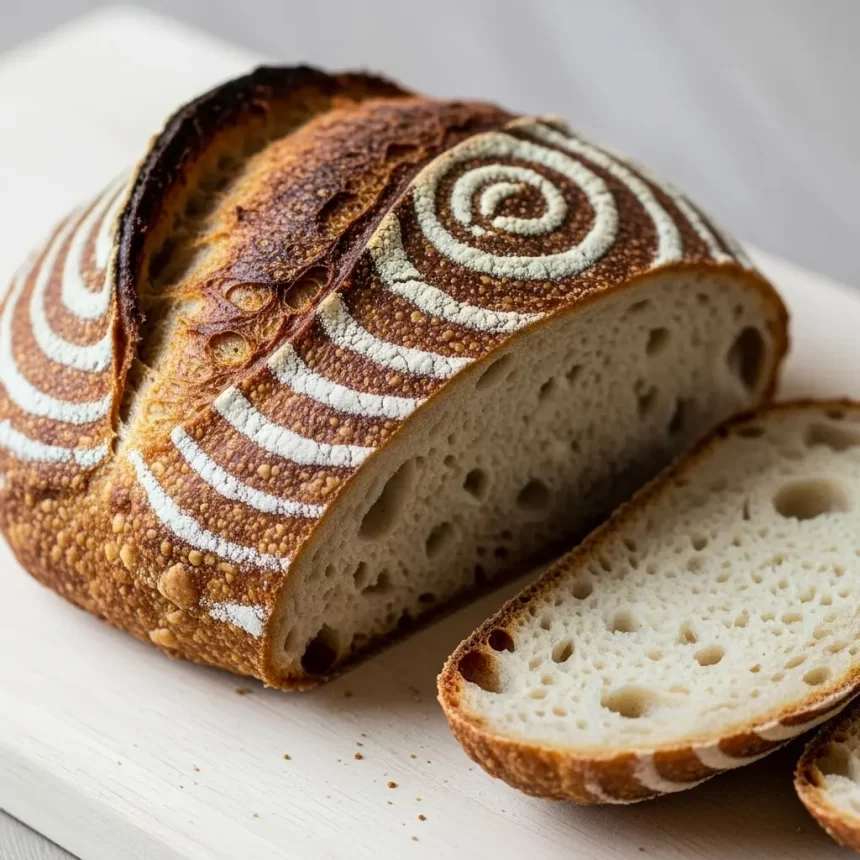
crafting keto sourdough bread is a rewarding journey that invites you to embrace the tangy depth of conventional sourdough while adhering to a low-carb lifestyle.As a longtime enthusiast of both artisanal baking and ketogenic cooking,I discovered that achieving sourdough perfection with keto-friendly ingredients demands a fresh approach-a balance of texture,flavor,and fermentation tailored to low-carb flours. This recipe unlocks that mastery, transforming nutty almond flour and rustic psyllium husk into a crusty, flavorful loaf you’ll be proud to share at any table.
Prep and Cook Time
- Preparation: 30 minutes
- Fermentation: 12-16 hours (overnight)
- Baking: 40 minutes
- Total Time: Approximately 13-17 hours
Yield
Makes 1 medium loaf (about 12 slices)
Difficulty Level
Medium
Ingredients
- 1 ¾ cups blanched almond flour
- ½ cup coconut flour
- 3 tbsp psyllium husk powder
- 1 tsp fine sea salt
- 1 tbsp apple cider vinegar
- 1 ½ cups warm water (110°F/43°C)
- ½ cup active keto sourdough starter (see how to prepare your starter)
- 1 tbsp olive oil, plus extra for greasing
- Optional: 1 tsp dried rosemary or fennel seeds for aromatic flair
Instructions
- Activate the starter: In a medium bowl, gently combine the active keto sourdough starter with warm water and apple cider vinegar. Stir until fully blended and slightly frothy, signaling a lively fermentation.
- Mix dry ingredients: In a large mixing bowl, whisk together almond flour, coconut flour, psyllium husk powder, and salt. If using herbs or seeds, fold them in now to infuse flavor from the very start.
- Combine wet and dry: Slowly pour the starter mixture into the dry ingredients.Stir with a sturdy spatula or wooden spoon until a thick,dough-like batter forms. This batter should be slightly sticky but hold shape-adjust with a splash of water if too dense or a sprinkle of almond flour if too wet.
- First rise: Cover the bowl loosely with a clean kitchen towel or plastic wrap. Place in a warm, draft-free area for 12 to 16 hours to allow slow fermentation. The dough will rise, develop air bubbles, and deepen in flavor during this time.
- Preheat and prepare baking vessel: About 30 minutes before baking, preheat your oven to 425°F (220°C) with a cast iron Dutch oven or heavy baking dish inside to heat up.
- Shape the loaf: Transfer the dough onto a piece of parchment paper dusted with coconut flour. Using wet hands, shape it into a rustic round boule. Carefully lift the parchment with the dough into the preheated Dutch oven.
- Bake covered: Cover the Dutch oven with its lid and bake for 25 minutes. This steaming effect promotes a crisp crust and tender crumb.
- Finish baking uncovered: Remove the lid and continue baking for another 15 minutes, or until the crust turns golden brown and firm to the touch.
- Cool properly: Transfer the loaf to a wire rack and let cool entirely before slicing. This resting period allows the texture to set and flavors to harmonize.
Tips for Success
- Fermentation patience: Longer fermentation times yield richer flavor. If your kitchen is cool, extend rising to 16 hours or gently warm the dough near a radiator.
- Hydration and texture: Because keto flours behave differently, trust your senses-if the dough feels dry, add water 1 tsp at a time; if excessively wet, add a pinch of almond flour or psyllium husk.
- choice flours: You can experiment by swapping coconut flour with tiger nut flour for a subtly sweet note. Avoid using all coconut flour as it absorbs too much moisture.
- Starter vitality: Keep your keto sourdough starter healthy with regular feedings of almond and coconut flour to ensure strong fermentation and rise.
- Make ahead: After shaping, refrigerate the dough overnight for slow-proofing and bake fresh in the morning for excellent convenience.
Serving Suggestions
This loaf shines when toasted and spread with creamy grass-fed butter and a sprinkle of flakes sea salt. Pair it with herb-infused olive oil for dipping or use it as the sturdy base for open-faced smoked salmon and avocado sandwiches. For a rustic centerpiece, serve slices alongside a vibrant keto-friendly tomato basil soup, garnished with fresh microgreens.

| nutrient | Per Slice (1/12 loaf) |
|---|---|
| Calories | 140 |
| Protein | 6g |
| net Carbs | 3g |
| Fat | 12g |
For a deeper dive into keto baking essentials, explore our complete guide to keto-friendly flours. To understand the science behind sourdough fermentation, the ScienceDaily article on sourdough microbiota is an excellent resource.
Q&A
Q&A: Crafting Keto Sourdough Bread – A Low-Carb Twist Recipe



Q1: What makes traditional sourdough bread incompatible with a keto diet?
A1: Traditional sourdough relies on high-carb wheat flour, which contains gluten and starches that break down into sugars during fermentation. These carbs can quickly kick you out of ketosis. So,while sourdough is often praised for its digestibility,it’s not inherently low-carb or keto-friendly.
Q2: How do you create sourdough with keto-approved ingredients?
A2: The secret lies in swapping out wheat flour for low-carb alternatives like almond flour, coconut flour, or a blend of nut and seed flours. To mimic the tangy sourdough flavor, you still cultivate a starter culture-frequently enough using psyllium husk for texture and adding a bit of apple cider vinegar or lemon juice to replicate that signature tang without the carbs.
Q3: What role does the starter culture play in keto sourdough bread?
A3: even on keto, the starter is crucial. It ferments the dough, developing that classic sourdough tang and improving digestibility. However, the starter is adapted to thrive on low-carb flours, nurturing beneficial bacteria that don’t rely on gluten or high starch content.
Q4: Can the texture of keto sourdough mimic traditional bread?
A4: Keto sourdough won’t have the exact same chew and airiness as almond and coconut flours lack gluten’s elasticity.though, by incorporating ingredients like psyllium husk, eggs, or gelatin, you can achieve a pleasantly moist, slightly tangy loaf with a satisfying crumb and crust.Q5: How does fermentation impact the carb content of keto sourdough bread?
A5: Fermentation naturally reduces some carbs as the starter’s bacteria consume sugars.In keto sourdough, since the base flours are already low in carbs, fermentation helps enhance flavor and texture without adding unwanted sugars. The result is a bread that aligns with keto macros while celebrating sourdough’s unique character.
Q6: What are some tips for a successful keto sourdough bake?
A6: Patience is key-allow your low-carb starter to mature for several days. Hydration balance is essential as nut flours absorb moisture differently than wheat. Don’t skip vital texture boosters like psyllium husk, and experiment with baking times to perfect that crusty exterior and tender inside.
Q7: Is keto sourdough suitable for those with gluten intolerance?
A7: Frequently enough yes! As keto sourdough swaps out wheat flour for gluten-free options, it’s typically safe for gluten-sensitive individuals.However, always check your ingredient labels and be mindful of cross-contamination if you’re highly sensitive.
Q8: How does keto sourdough bread fit into a low-carb lifestyle?
A8: This innovative bread offers a comforting, familiar alternative to traditional loaves-without the blood sugar spikes. It’s perfect for keto enthusiasts craving the tangy,artisanal feel of sourdough while sticking to their carb limits and nurturing gut health with fermented ingredients.
Crafting keto sourdough bread is a tasty science of transforming time-honored tradition into a low-carb triumph. With a little creativity and the right ingredients, you can enjoy that signature sourdough tang without the carb overload-truly a slice of keto heaven!
Wrapping Up
Embarking on the journey of crafting keto sourdough bread not only redefines a timeless classic but also opens the door to delicious low-carb possibilities. By blending traditional sourdough techniques with mindful ingredient swaps, you can savor the tangy crunch of a freshly baked loaf without compromising your keto goals. Whether you’re a seasoned baker or a curious beginner, this recipe invites you to experiment, adapt, and enjoy the best of both worlds-nourishing your body and delighting your taste buds.So dust off your mixing bowl, embrace the art of fermentation, and let your keto sourdough adventure rise to new, flavorful heights.