Ther’s somthing undeniably magical about the humble flour tortilla-a simple circle of dough that, when mastered, becomes the silky, pillowy foundation for countless appetizing meals. From sizzling fajitas to comforting burritos, soft, homemade flour tortillas elevate every bite with their tender texture and warm, buttery flavor. Yet, achieving that perfect balance of pliability and lightness is an art that many home cooks find elusive. In this article, we’ll unravel the secrets behind making truly soft, stretchy flour tortillas from scratch, guiding you step-by-step toward tortilla mastery that promises to transform your kitchen into a haven of fresh, fragrant, and irresistibly tender delights.
Mastering the Art of Soft, Homemade Flour Tortillas begins with an understanding that the magic lies in every ingredient and the tender care you give to the dough. Flour tortillas trace their roots to Mexican and Tex-Mex culinary traditions, cherished for their versatility and comforting softness. Achieving that perfect,pillowy texture at home transforms any meal-whether tacos,burritos,or simply slathered in butter-into something extraordinary. Let’s dive into expert techniques that ensure every tortilla you make feels freshly pulled from a rustic comal.
Prep and Cook Time
- Preparation: 15 minutes
- Resting: 30 minutes
- Cooking: 20 minutes
- Total: 1 hour 5 minutes
Yield
Makes 12 soft flour tortillas, perfect for serving 4-6 people.
Difficulty Level
Easy to Medium – ideal for home cooks looking to elevate their tortilla game without fuss.
Ingredients
- 2 cups all-purpose flour, sifted
- 1/2 teaspoon baking powder
- 1 teaspoon fine sea salt
- 2 tablespoons vegetable oil or melted lard (for richness and softness)
- 3/4 cup warm water (about 110°F/43°C)
Choosing the Perfect flour and Ingredients
For truly soft tortillas, the secret starts with flour that’s finely milled with moderate protein levels-ideally all-purpose flour. Higher-protein flours can yield tougher textures, so avoid bread flour. Adding a touch of baking powder helps achieve an airy fluffiness by encouraging slight rise and tenderness. The addition of fat, such as vegetable oil or traditional lard, interrupts gluten formation, making the tortillas supple and flexible. Warm water activates these ingredients seamlessly, ensuring dough that’s soft yet manageable.
Mastering the Dough: Techniques to Achieve the Ideal Soft Texture
After combining your dry ingredients,gradually incorporate warm water and oil,stirring until a shaggy dough forms.Kneading is key-spend about 8 minutes developing elasticity without overworking. Resting the dough for at least 30 minutes under a damp cloth allows gluten to relax, preventing toughness and ensuring the tortillas puff beautifully when cooked.
Rolling and Cooking Secrets to Create Fluffy, Tender Tortillas
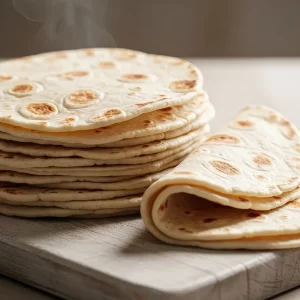
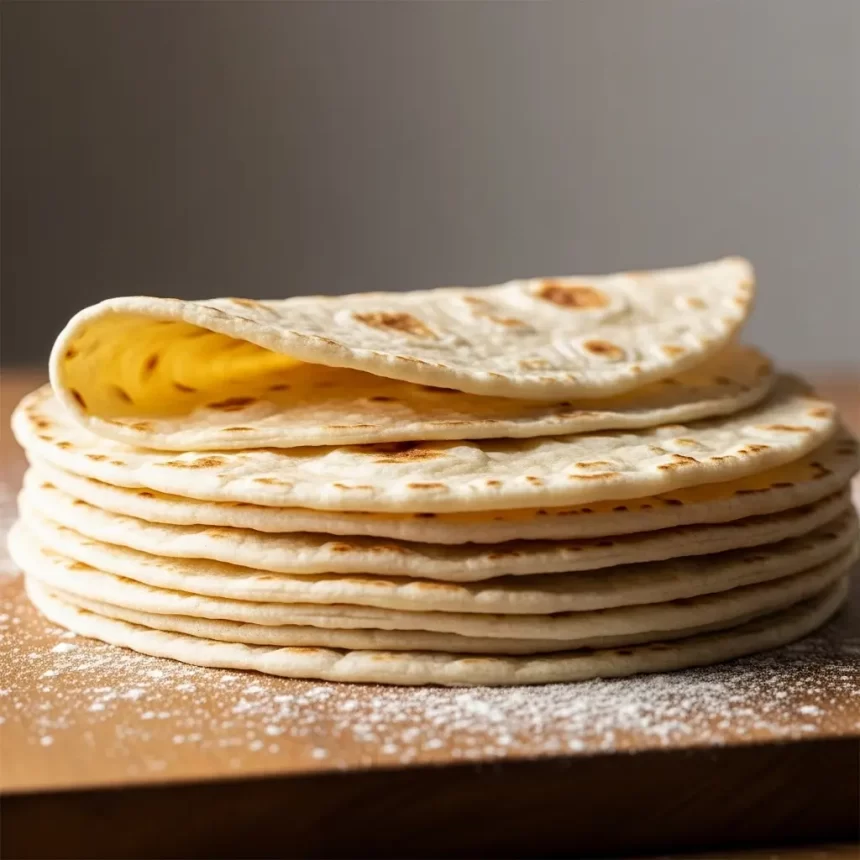
divide dough into equal portions, rolling each ball into a smooth sphere. When rolling,use a light dusting of flour to prevent sticking and work gently-think soft,even pressure rather than force. Aim for tortillas about 6-7 inches in diameter and thin enough to puff but thick enough to hold tender moisture. Cook tortillas on a hot, dry skillet or comal over medium-high heat. Look for bubbles forming about 30 seconds in, then flip and finish cooking, usually under a minute per side. The golden spots are clues to that perfect tender bite.
Storage and Reheating Tips to Maintain Freshness and Flavor
Once cooled, stack tortillas between sheets of parchment or wax paper, then wrap tightly in foil or place in an airtight container. Stored this way, they can last up to 3 days at room temperature or freeze well for up to a month. Reheat gently in a skillet or microwave wrapped in a damp paper towel to revive softness and pliability without drying out.
Instructions
- Mix dry ingredients: In a medium bowl, whisk together all-purpose flour, baking powder, and sea salt.
- Add fats and water: Pour in the vegetable oil or melted lard and warm water. stir with a wooden spoon until the mixture starts to clump into a rough dough.
- Knead the dough: Lightly flour your work surface and knead the dough for 8 minutes until it becomes smooth and elastic. If sticky, add small amounts of flour sparingly.
- Rest: Form the dough into a ball, cover it with a damp kitchen towel or plastic wrap, and let it rest for 30 minutes to relax the gluten.
- Portion and shape: Divide the dough into 12 equal balls. Roll each ball lightly with a rolling pin into thin 6-7 inch circles on a floured surface.
- Heat skillet: Warm a dry, heavy-bottomed skillet or cast-iron pan over medium-high heat.
- cook tortillas: Place one rolled tortilla in the skillet. Cook until you see bubbles and light brown spots, about 30 seconds. Flip and cook the other side for another 30-45 seconds. Adjust heat as necessary.
- Keep warm: Transfer cooked tortillas to a clean kitchen towel or tortilla warmer to keep them soft and warm while cooking the rest.
Chef’s Notes and Tips for Success
- for an ultra-soft tortilla, substitute half the water with whole milk for added tenderness and flavor.
- If your dough cracks when rolling, let it rest longer or knead a little more water in to increase hydration.
- Use a well-seasoned cast iron skillet for authentic flavor and even heat distribution.
- Try adding a pinch of cumin or smoked paprika to your dry mix for a subtle depth of flavor.
- To make ahead, freeze tortilla stacks separated by parchment paper, thaw at room temperature, and reheat gently.
Serving Suggestions
Warm these soft, homemade flour tortillas to serve as a base for tacos filled with smoky grilled meats, vibrant roasted veggies, or creamy refried beans.Garnish your plate with freshly chopped cilantro, lime wedges, sliced avocado, and a drizzle of tangy crema or salsa roja. For a cozy snack, smear melted butter on a warm tortilla and roll it up-simplicity at its best. Don’t forget to explore paired dishes like classic pico de gallo to brighten your meal.

| Nutrient | per Tortilla (approx.) |
|---|---|
| Calories | 100 kcal |
| Protein | 3 g |
| carbohydrates | 18 g |
| Fat | 2 g |
For more insights on traditional Mexican bread baking, visit National Geographic’s take on Mexican food history.
Q&A
Q&A: Mastering the Art of Soft, Homemade Flour Tortillas
Q1: Why make homemade flour tortillas instead of buying them at the store?
A1: While store-bought tortillas are convenient, homemade tortillas offer unmatched freshness, flavor, and softness. When you make them yourself, you control the ingredients-no preservatives or artificial additives-and can customize the texture and thickness to perfectly suit your taste. Plus, there’s a unique joy in crafting tortillas that feel like a warm, edible hug straight from your kitchen.
Q2: What’s the secret to getting tortillas soft and pliable rather of tough and brittle?
A2: The magic lies in a combination of the right fat, hydration, and technique. Using lard or vegetable shortening adds richness and tenderness. The dough must be well-hydrated but not sticky-think soft and a little elastic. Then, give your dough time to rest so the gluten relaxes, making rolling and cooking easier. cook the tortillas on a hot, dry skillet for just the right amount of time-too hot or too long turns them crispy, too cool leaves them doughy.
Q3: Can I make tortillas without special equipment?
A3: Absolutely! Flour tortillas are wonderfully accessible. You don’t need a tortilla press-a rolling pin or even a clean wine bottle works perfectly. A simple cast iron skillet or heavy pan is your best friend for cooking. Patience and a light hand during rolling will help you achieve that classic thin round shape.
Q4: How do I know when a tortilla is cooked perfectly?
A4: A well-cooked tortilla puffs slightly as it hits the hot skillet, developing light golden spots and tiny charred blisters.It should be soft, pliable, and warm-not dry or crunchy. Flip it once or twice quickly, keeping an eye on texture and color. When it feels as flexible as a scarf folding with ease, it’s ready to wrap up your favorite fillings.
Q5: Can I store homemade tortillas, and how?
A5: Yes! Fresh tortillas can be wrapped tightly in plastic wrap or a clean kitchen towel and kept at room temperature for a day or two. For longer storage, stack them with parchment paper between each, seal in an airtight bag, and freeze. To reheat, warm them gently on a skillet or wrapped in a damp towel in the microwave for softness that rivals fresh-off-the-griddle taste.
Q6: Any tips for adding a personal touch or extra flavor to my tortillas?
A6: Experiment with adding a pinch of garlic powder,cumin,or even a little masa harina for a subtle corn flavor twist. Using homemade lard or a fragrant oil can infuse your tortillas with personality. Don’t be afraid to play with thickness-thicker tortillas hold heartier fillings, while thin ones fold neatly. The best flour tortilla is the one that becomes the perfect vessel for your signature dishes.
Q7: Why do some tortillas puff up while others stay flat?
A7: Puffing is a sign of properly developed steam inside the tortilla as it cooks, creating little pockets of softness. even dough thickness, good hydration, and adequate heat all contribute to puffing. If your tortillas stay flat, check for even rolling without holes and adjust your stovetop heat to medium-high for that fast steam burst.
Embrace the artistry of flour tortillas-each fold and flip brings you closer to culinary mastery and the simple pleasure of soft, homemade goodness.
The conclusion
As you wrap up your journey into mastering the art of soft, homemade flour tortillas, remember that each fold and roll is a small party of tradition and craft. The warmth of fresh tortillas, pliable and tender, carries more than just flavor-it holds the promise of shared meals and memories yet to be made. Whether you’re filling them with savory delights or simply savoring them plain, your homemade tortillas embody a timeless simplicity that invites creativity and comfort alike. So dust off your rolling pin,embrace the dough’s gentle resistance,and let every tortilla you make be a delicious reminder that the best things in life are often handmade.