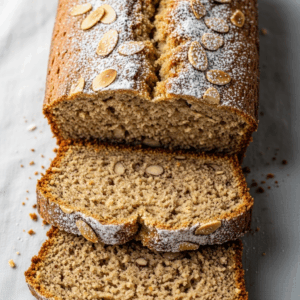
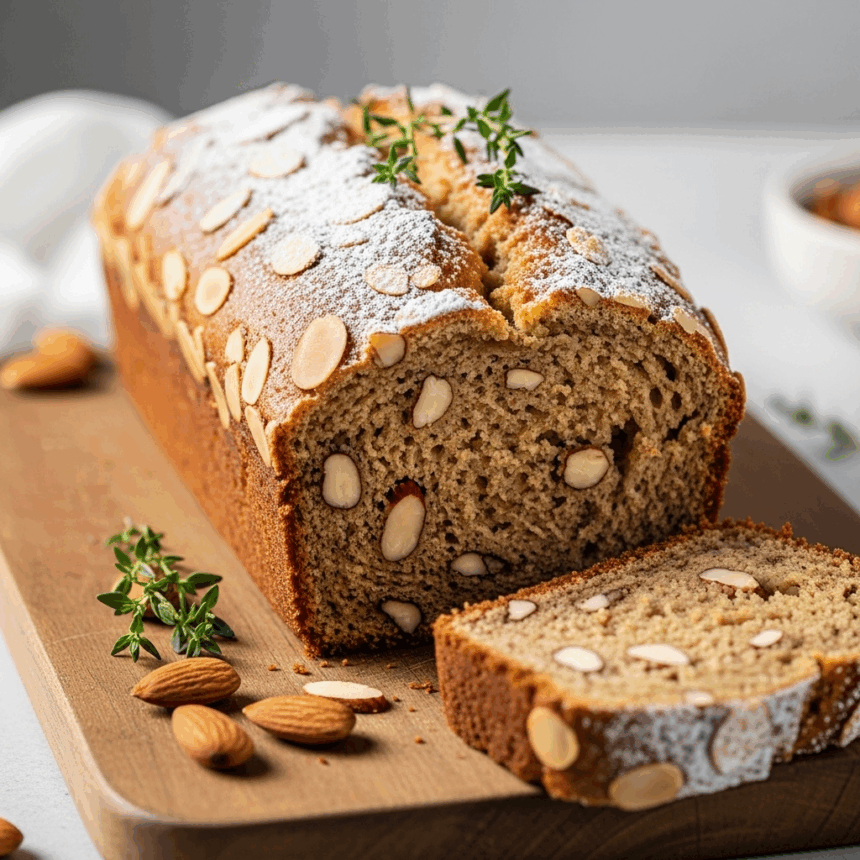
In a world where dietary needs are as diverse as our palates, finding a truly satisfying gluten-free bread can feel like searching for a hidden treasure.Enter almond bread-a delightful, nutrient-packed choice that’s as versatile as it is appetizing. Whether you’re avoiding gluten due to allergies, sensitivities, or simply by choice, mastering the art of almond bread baking opens the door to a world of fluffy, flavorful slices that don’t compromise on texture or taste. Welcome to “Bake Better: the Ultimate Guide to Gluten-Free Almond Bread,” where science meets creativity,and every loaf is a celebration of wholesome ingredients and baking brilliance.Get ready to transform your kitchen into a haven of golden crusts and tender crumbs that everyone, gluten-free or not, will adore.
Understanding almond flour essentials is the cornerstone of baking a perfect gluten-free almond bread that’s both flavorful and tender. Using almond flour instead of traditional wheat flour lends this bread a pleasantly nutty aroma and a moist crumb that naturally gluten-free lovers will swoon over. Whether you’re new to almond flour or refining your baking skills, mastering its unique properties ensures your loaf rises beautifully and avoids common pitfalls like dryness or crumbliness.
Prep and cook Time
Readiness: 15 minutes
Baking: 45 minutes
Total: 60 minutes
Yield
1 standard 9×5 inch loaf (about 10-12 slices)
Difficulty Level
Easy to Medium – perfect for bakers ready to embrace gluten-free textures with simple yet smart techniques.
Ingredients
- 2 ½ cups blanched almond flour (finely ground for a smoother texture)
- 3 large eggs at room temperature
- ⅓ cup unsweetened almond milk or any plant-based milk
- 2 tablespoons coconut oil (melted and slightly cooled)
- 1 teaspoon baking soda
- 1 tablespoon apple cider vinegar
- 1 tablespoon honey or maple syrup (optional, for a hint of sweetness)
- ½ teaspoon fine sea salt
- 1 teaspoon vanilla extract (optional but recommended for depth of flavor)
Instructions
- Preheat your oven to 350°F (175°C). Line a 9×5 inch loaf pan with parchment paper, allowing some overhang for easy removal.
- In a large bowl, whisk together the eggs, almond milk, coconut oil, honey, apple cider vinegar, and vanilla extract until the mixture is smooth and slightly frothy. This combination helps build structure and moisture without gluten.
- In a separate bowl, combine the almond flour, baking soda, and salt. Stir well to ensure even distribution of leavening agents.
- Gently fold the dry ingredients into the wet mixture, being careful not to over-mix. almond flour batter benefits from gentle handling to maintain tenderness.
- Pour the batter into the prepared loaf pan,smoothing the top with a spatula. Tap the pan gently on the countertop to release any air bubbles.
- Bake for 40-45 minutes, or until the top is golden brown and a toothpick inserted into the center comes out mostly clean with a few moist crumbs.
- allow the bread to cool in the pan for 15 minutes, then use the parchment paper overhang to lift it out and cool entirely on a wire rack. Cooling is essential to set the crumb properly and avoid sogginess.
Tips for success
- Use fresh almond flour: For the best flavor and texture, choose high-quality, finely ground blanched almond flour rather than almond meal, which is coarser and may yield a denser loaf.
- Balance moisture: Almond flour naturally adds richness but lacks gluten’s structure, so eggs and vinegar are your allies for rise and tenderness.
- Experiment with fats: Coconut oil offers a subtle sweetness, but butter or olive oil can create more savory profiles-adjust to your preference.
- Don’t skip cooling: The loaf sets better as it cools, so resist the urge to slice too soon.
- Make-ahead: This bread freezes beautifully wrapped in foil. Thaw at room temperature or toast slices directly from the freezer.
Creative Variations and Tasty Add-Ins
Add flair to your gluten-free almond bread by stirring in ½ cup chopped walnuts or pecans for crunch, ½ cup fresh or dried cranberries for bursts of sweetness, or 1 teaspoon cinnamon and a pinch of nutmeg for warm spiced notes. Savory enthusiasts can fold in ⅓ cup chopped sun-dried tomatoes and 1 tablespoon fresh rosemary for a fragrant, herbaceous twist. These additions not onyl elevate the flavor but add visual appeal, perfect for sharing at brunch or cozying up with tea.
Serving Suggestions
Warm slices and spread with creamy avocado and a sprinkle of smoked sea salt for a wholesome snack. For a sweeter option, slather with almond butter and a drizzle of local honey. This bread pairs exceptionally well with soft cheeses like goat cheese or ricotta,alongside a fresh berry compote for a sophisticated breakfast or light dessert.




| Nutrient | Per Slice (1/12) |
|---|---|
| Calories | 170 kcal |
| Protein | 6 g |
| Carbohydrates | 5 g |
| Fat | 14 g |
For more delicious gluten-free breads, check out our easy Gluten-Free Banana Bread recipe. To deepen your understanding of almond flour’s nutritional benefits, visit Healthline’s almond flour guide.
Q&A
Q&A: Bake Better – The Ultimate Guide to Gluten-Free Almond bread
Q: Why choose almond bread over traditional wheat bread?
A: Almond bread is a delicious, nutrient-packed alternative for those avoiding gluten or seeking a low-carb option. It’s rich in healthy fats,protein,and vitamin E,making each slice not only flavorful but also nourishing. Plus,its moist,slightly sweet texture offers a delightful departure from everyday bread.
Q: What makes almond bread gluten-free?
A: Unlike wheat-based breads that rely on gluten for structure, almond bread uses almond flour – ground almonds - which contains no gluten. This naturally gluten-free ingredient creates a tender crumb while keeping the bread dense and satisfying.
Q: How do you achieve the perfect rise in almond bread without gluten?
A: Since almond flour lacks gluten’s elasticity, the magic lies in the eggs and leavening agents. Eggs provide structure and lift,while baking powder or baking soda introduces airiness.Beating the eggs well and folding ingredients gently ensures the bread rises beautifully without collapsing.
Q: Can I substitute almond flour with other nut flours?
A: While you can experiment with other nut flours like hazelnut or cashew, almond flour’s unique texture and mild flavor make it ideal for bread. Different nut flours vary in oil content and grind, which can affect moisture and density, so adjustments might be necessary.
Q: How can I customize my almond bread for different tastes?
A: The versatility of almond bread is boundless! Add herbs like rosemary or thyme for savory notes, stir in dried fruits or cinnamon for sweetness, or mix in chopped nuts and seeds for crunch. Don’t forget a pinch of sea salt to balance flavors perfectly.
Q: what are the common pitfalls when baking almond bread?
A: Overbaking can lead to dryness since almond flour lacks gluten’s moisture retention. Also, using too much almond flour without enough eggs or leavening can yield a dense loaf. Measuring ingredients accurately and monitoring baking time are key to a tender, flavorful result.
Q: How should I store almond bread to keep it fresh?
A: Almond bread keeps best wrapped tightly in plastic wrap or stored in an airtight container in the fridge for up to a week. For longer storage, slice and freeze-it thaws quickly and maintains its delightful texture.
Q: Is almond bread suitable for keto or paleo diets?
A: Absolutely! Almond bread is a favorite in keto and paleo communities due to its low carbohydrate content and natural ingredients. It fits perfectly into diets that emphasize whole foods and limit grains.
Q: Any tips for turning almond bread into a show-stopping brunch centerpiece?
A: Toast thick slices lightly, then top with creamy avocado, smoked salmon, or a drizzle of honey and fresh berries. Almond bread’s rich flavor pairs wonderfully with both savory and sweet toppings, making it a versatile canvas for creative brunch ideas.
Q: Ready to bake? What’s the first step to success?
A: Gather high-quality almond flour and fresh eggs,preheat your oven,and prepare to embrace a delicious adventure! With patience and passion,you’ll soon be slicing into your homemade gluten-free almond bread masterpiece. happy baking!
In Summary
Baking gluten-free almond bread doesn’t have to be a daunting quest-it’s an art that, with the right ingredients and techniques, anyone can master. Armed with this ultimate guide, you’re now equipped to transform simple almonds into a moist, flavorful loaf that rivals traditional bread. Whether you’re navigating dietary restrictions or simply craving a wholesome twist, almond bread offers a delicious path to gluten-free baking bliss. So go ahead,preheat that oven,embrace the process,and savor every slice of your homemade success. Happy baking!