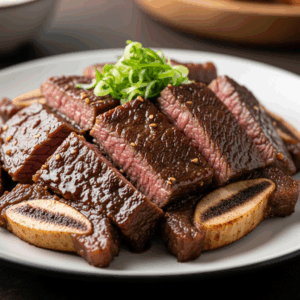
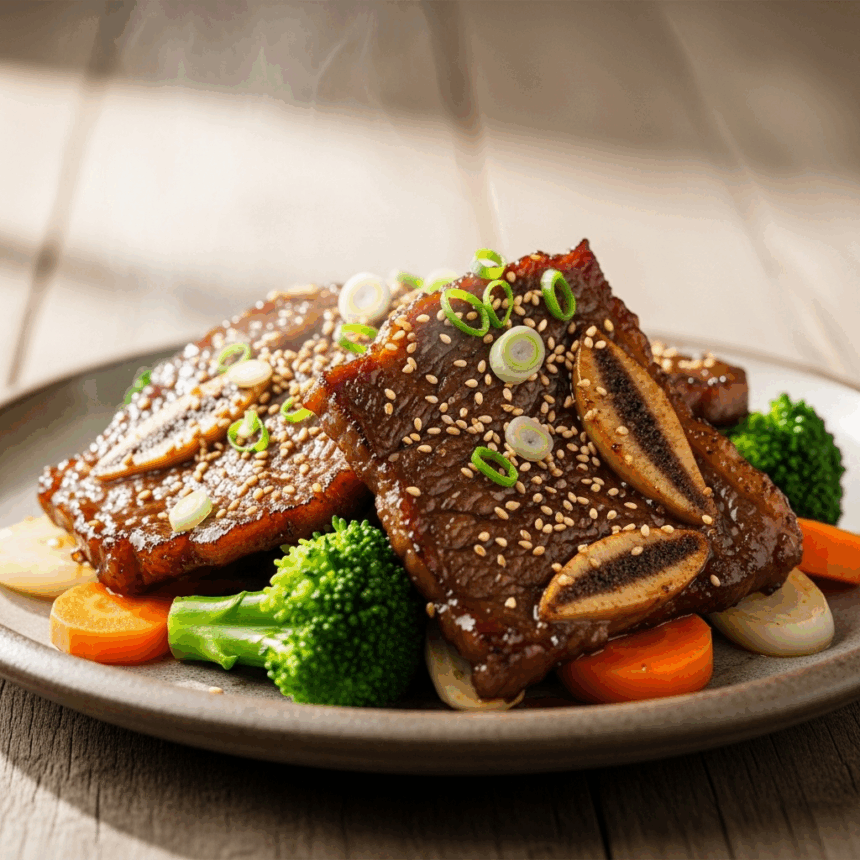
There’s a certain magic in the sizzle of marinated beef over an open flame, a dance of aromas that captivates the senses and beckons you closer. At the heart of Korean cuisine lies Galbi, the beloved beef short ribs that transform humble cuts into a symphony of flavor and tradition. More than just a dish, Galbi is an art form-where sweet, savory, and smoky notes meld through meticulous planning and time-honored techniques. In this exploration of “Savoring Galbi: The flavorful Art of Korean Beef Short Ribs,” we delve into the rich history, unique marinade secrets, and grilling rituals that make Galbi an enduring icon of Korean culinary culture. Whether you’re a seasoned gourmand or a curious food adventurer, prepare to uncover the layers of taste and tradition that make every bite of Galbi an unforgettable experience.
Savoring Galbi begins with the careful selection of the perfect cut of beef short ribs-this step unlocks the true marinade magic and sets the stage for masterful grilling that brings out ideal caramelization. When choosing your galbi, opt for well-marbled flanken-style short ribs that are cut across the bones, about ½ inch thick. These thin slices ensure tender bites that soak up the marinade deeply and grill quickly without drying out.
Prep and Cook time
preparation: 20 minutes + 4-6 hours marinating
Cooking: 8-10 minutes grilling
Total Time: Approximately 5-6 hours (including marinade time)
Yield
Serves 4 hungry guests.
Difficulty Level
Medium – balancing marinade patience with attentive grilling.
Ingredients
- 2 pounds Korean beef short ribs (flanken-cut), ½ inch thick
- ½ cup soy sauce (preferably Korean soy sauce for depth)
- ¼ cup brown sugar, packed
- 3 cloves garlic, minced
- 1 tablespoon grated ginger
- 2 tablespoons sesame oil
- 2 tablespoons pear juice or finely grated Asian pear
- 2 green onions, thinly sliced
- 1 tablespoon toasted sesame seeds
- Freshly ground black pepper, to taste
- Optional: 1 small chili pepper, finely sliced for subtle heat
Instructions
- Prepare the marinade: In a medium bowl, whisk together soy sauce, brown sugar, minced garlic, grated ginger, sesame oil, pear juice, sliced green onions, and black pepper.Adjust sweetness or saltiness if needed, balancing to a rich umami flavor.
- Marinate the ribs: Place the beef short ribs into a large shallow dish or resealable bag. Pour the marinade over, ensuring every piece is coated. Seal and refrigerate for at least 4 hours, preferably overnight.This slow infusion softens the meat and deepens the flavor.
- Preheat the grill: Get the grill hot, aiming for a medium-high flame-ideal for quick searing and caramelization without charring.
- Remove the ribs from marinade: Allow excess marinade to drip off to prevent flare-ups but retain a glossy coating to encourage golden crust development.
- Grill the galbi: Lay ribs perpendicular to the grill grates. Grill for 3-5 minutes per side, flipping once. Look for a caramelized exterior with slightly crisp edges-this Maillard reaction infuses deep flavor and rich texture.
- rest before serving: Let the ribs rest for 5 minutes off the heat to allow juices to redistribute.
Tips for Success
- Choosing the cut: Flanken-cut ribs are best; if unavailable, request your butcher to slice across the bones. Avoid very thick cuts or plate ribs which require longer cooking and won’t soak marinade well.
- marinade magic: The pear juice tenderizes enzymes, while soy sauce adds saltiness; fresh ginger and garlic brighten the flavor beautifully. For a twist, add a splash of rice wine or a touch of honey to the marinade.
- Grill mastery: Use a two-zone heat on your grill-direct heat for searing, indirect for gently finishing thicker pieces without burning.
- Make-ahead: Galbi tastes even better the next day; marinate overnight and freeze leftover uncooked ribs for up to 1 month.
- Avoid overcooking: The ribs should be caramelized but tender and juicy inside. Overcooked galbi becomes tough and less enjoyable.
Serving Suggestions
Present your galbi on a rustic platter layered with crisp lettuce leaves and fresh perilla leaves. offer an assortment of classic Korean banchan like spicy kimchi, crunchy pickled radish, and steamed white rice to balance the sweet savor of the ribs. Garnish generously with toasted sesame seeds and sliced green onions for vibrant color and nutty aroma. For an authentic touch,provide ssamjang dipping sauce and allow guests to wrap bites in leafy greens. The multisensory experience of textures and flavors is integral to “savoring Galbi.”
| Nutrient | Per Serving |
|---|---|
| calories | 420 kcal |
| Protein | 38 g |
| Carbohydrates | 12 g |
| Fat | 22 g |

For a deeper dive into Korean barbecue techniques and more recipes to complement your galbi feast,explore this comprehensive guide by Maangchi, a renowned authority on Korean cuisine.

Q&A
Q&A: Savoring Galbi – The Flavorful art of korean Beef Short Ribs
Q1: What exactly is Galbi, and why is it so beloved in Korean cuisine?
A1: Galbi (갈비) refers to Korean-style beef short ribs that are marinated, grilled, and enjoyed as a rich and savory delicacy. The word “galbi” literally means “rib,” but in culinary terms, it’s synonymous with a beautifully balanced harmony of sweet, salty, and smoky flavors. beloved for its tender, succulent meat and caramelized glaze, Galbi is more than just food-it’s an invitation to gather, share stories, and celebrate tradition around the grill.
Q2: What makes Galbi different from other types of Korean BBQ?
A2: While Korean BBQ covers many cuts and styles,Galbi shines because of its unique cut and marinade. The short ribs are sliced across the bone, creating thin strips that cook quickly and evenly. The marinade-a luscious blend of soy sauce, garlic, sugar, sesame oil, and frequently enough korean pear juice-imbues the meat with layers of flavor and tenderizes it to melt-in-your-mouth perfection. Unlike bulgogi, which typically uses thinner, bite-sized beef strips, Galbi offers a meatier, heartier experience with a delightful chew and char.
Q3: How has Galbi evolved over time?
A3: Galbi’s roots trace back centuries, originally a royal court delicacy where high-quality beef ribs were reserved for nobility. Over time, what began as a luxurious dish trickled down to become a staple of home cooking and street food culture. modern twists have introduced variations using pork ribs (dwaeji galbi), fusion marinades, and even vegetarian adaptations. Yet, the heart of Galbi remains-a celebration of simple ingredients elevated by skillful preparation.
Q4: What is the traditional way to prepare and enjoy Galbi?
A4: Traditionally, Galbi begins with hours of marination, allowing every fiber of the beef to soak up the aromatic mixture. Grilling over charcoal is the preferred method, imparting a smoky, slightly charred crust. It’s often served with an array of banchan (side dishes), steamed rice, and wrapped in leafy lettuce with a dab of ssamjang (spicy-sweet dipping sauce). Eating Galbi is an interactive and communal affair-grilling, sharing, and savoring together is as vital as the meat itself.
Q5: Can you share tips for making Galbi at home?
A5: Absolutely! Start with quality beef short ribs-look for well-marbled cuts for maximum flavor. Make your marinade balanced: a mixture of soy sauce, brown sugar or honey, minced garlic, grated Korean pear or apple (for natural sweetness and tenderizing effects), sesame oil, and a touch of black pepper.Marinate for at least 4 hours, preferably overnight. when grilling, keep the heat medium-high to get that gorgeous caramelization without burning. Don’t forget to grill some garlic and green chili peppers alongside-their smoky aroma complements the ribs perfectly!
Q6: How does Galbi reflect Korean culture beyond just food?
A6: Galbi is a tasty gateway to understanding Korean values around hospitality, community, and respect for tradition. Mealtimes are communal rituals, where the act of grilling and sharing meat is a metaphor for bonding and generosity. Moreover, the careful building of layers in the marinade mirrors the Korean aesthetic of balance and harmony-seeking perfection through patience and care. To savor Galbi is to taste history,family,and friendship all on one plate.
Q7: What drinks or side dishes pair best with Galbi?
A7: Galbi pairs beautifully with soju, Korea’s iconic distilled spirit, whose clean sweetness cuts through the richness of the meat. Makgeolli, a milky rice wine, is another traditional choice that adds a gentle tang. As for sides, kimchi’s spicy crunch, pickled radishes, and crisp scallion salad complement the smoky ribs brilliantly. Steamed white rice offers a neutral base,making every bite of Galbi shine even brighter.
Whether you’re a seasoned foodie or a curious newcomer, diving into the art of Galbi is a flavorful journey into korean heritage-one tender, caramelized rib at a time.
Key Takeaways
As the rich aroma of sizzling galbi lingers in the air and the sweet-savory marinade caramelizes to perfection,it’s clear that this beloved Korean beef short rib dish is more than just a meal-it’s a celebration of tradition,technique,and flavor. Savoring galbi invites us to experience a harmonious dance between tender meat and bold seasonings, one that has been perfected over generations. Whether grilled over charcoal with friends or slow-cooked in a home kitchen, each bite tells a story of cultural heritage and culinary artistry. So next time you find yourself craving something irresistibly delicious, remember that galbi isn’t just food-it’s an invitation to savor a taste of Korea’s soulful gastronomy.