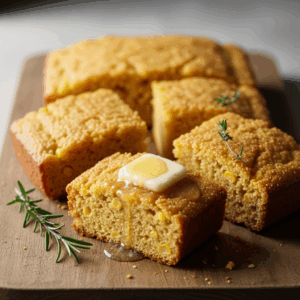
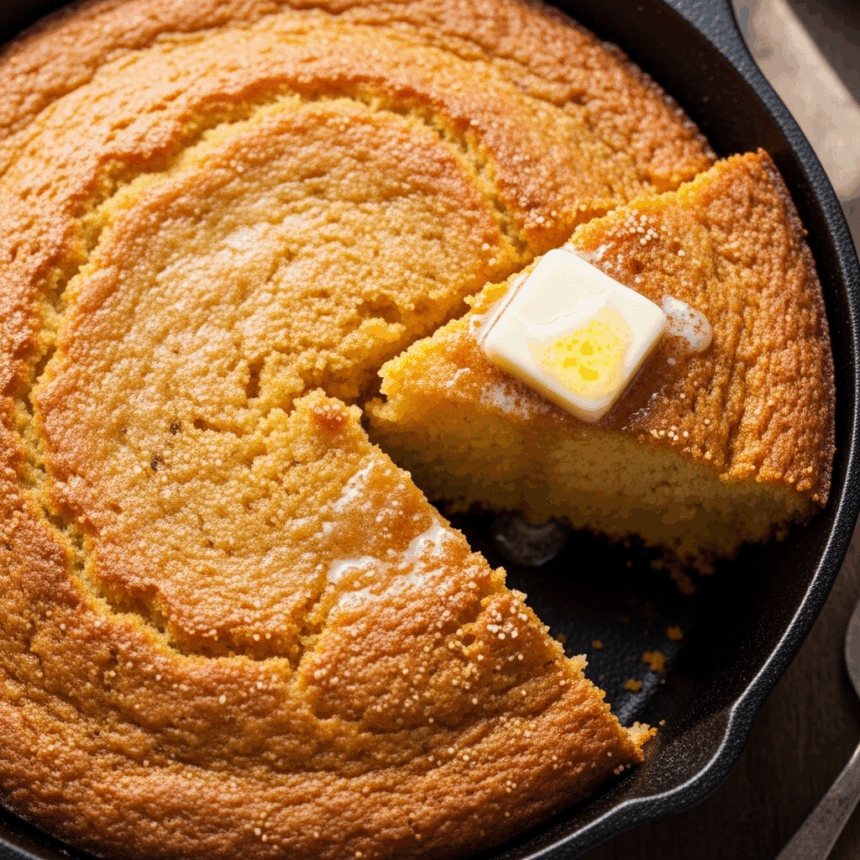
There’s nothing quite like the warm embrace of freshly baked cornbread-its golden crust giving way to a tender, crumbly center that melts in your mouth. But for those navigating the world of gluten-free baking, achieving that perfect balance of moistness and flavor can feel like an elusive dream. Fear not: this ultimate guide to moist, gluten-free cornbread perfection is here to transform your kitchen into a haven of delicious, allergy-friendly comfort. Whether you’re a seasoned baker or a curious newcomer, we’ll dive into the secrets, tips, and tricks that ensure every bite is as irresistible as traditional cornbread-without the gluten. Get ready to elevate your baking game and satisfy your cravings wiht a recipe that’s nothing short of perfection.
Mastering moist,gluten-free cornbread perfection begins with selecting the ideal flours that achieve a tender crumb without sacrificing fluffiness. Unlike traditional wheat flour, gluten-free flours vary widely in texture and moisture retention, so understanding their characteristics can transform your cornbread from dense and crumbly to light and luscious.
Choosing the Perfect Gluten-Free Flours for Fluffy Cornbread
For a naturally tender cornbread, a blend of gluten-free flours is essential. Try combining finely ground cornmeal with white rice flour for crisp edges and a soft interior. Adding a touch of tapioca starch or potato starch helps create elasticity and bounce usually offered by gluten. Almond flour can add richness but should be used sparingly to avoid heaviness. Opt for certified gluten-free products to eliminate cross-contamination risks.
Mastering Moisture: Secrets to Keeping your Cornbread Tender
Moisture is the soul of perfect cornbread. Incorporating ingredients like Greek yogurt or sour cream boosts tenderness and imparts a subtle tang that complements cornmeal’s natural sweetness. Using buttermilk instead of regular milk or water adds acidity, which reacts with the baking soda for an airy lift. Don’t be shy with fats-melted butter or oil coats flour particles evenly, locking in moisture to prevent dryness.
Elevating Flavor with Natural Ingredients and Creative Add-Ins
Beyond the basics, natural flavor enhancers elevate this gluten-free cornbread from simple to memorable. Fresh corn kernels folded in at the end give each bite bursts of juicy sweetness. Herbs like chopped chives or rosemary add aromatic complexity. For a hint of heat, consider minced jalapeños or a dash of smoked paprika. A subtle touch of honey or maple syrup balances savory notes and heightens the golden crust’s richness.
Tips and Techniques for Baking Cornbread with Consistent results
To bake cornbread with flawless texture every time, start by preheating your oven and warming your baking dish or cast-iron skillet-this step ensures a crisp, caramelized crust. Mix wet and dry ingredients gently to avoid overworking the batter,which can cause toughness. let the batter rest for 10 minutes before baking to hydrate the flours fully. Check doneness by inserting a toothpick; it should come out clean but moist. allow cornbread to cool slightly in the pan to firm up before slicing.
Prep and cook Time
- Planning: 15 minutes
- Cooking: 25 minutes
- Total Time: 40 minutes
Yield
8 hearty servings
Difficulty level
Easy to Medium – Perfect for home bakers aiming for gluten-free excellence

Ingredients
- 1 cup fine yellow cornmeal
- 3/4 cup white rice flour
- 1/4 cup tapioca starch
- 2 tsp baking powder
- 1/2 tsp baking soda
- 1/2 tsp fine sea salt
- 1 cup buttermilk
- 2 large eggs, room temperature
- 1/4 cup Greek yogurt
- 1/3 cup melted butter
- 2 tbsp honey or maple syrup (optional)
- 1/2 cup fresh corn kernels (optional)
- 1 tbsp chopped fresh chives or jalapeños (optional)
Instructions
- Preheat your oven to 400°F (200°C) and place a 9-inch cast iron skillet inside to heat while you prepare the batter.
- In a large bowl, whisk together cornmeal, white rice flour, tapioca starch, baking powder, baking soda, and salt until evenly combined.
- In a separate bowl, beat the eggs lightly. Add buttermilk, Greek yogurt, melted butter, and honey, mixing until smooth and creamy.
- Pour the wet ingredients into the dry ingredients and stir just until combined-avoid overmixing to prevent density.
- Gently fold in fresh corn kernels and herbs or jalapeños if using, distributing evenly.
- Carefully remove the hot skillet from the oven and grease it lightly with butter or oil.
- Pour batter into the skillet and smooth the top with a spatula.
- Bake for 22-25 minutes, or until the top is golden with a slight crust and a toothpick inserted into the center comes out clean.
- Let the cornbread cool for 10 minutes in the skillet before slicing and serving.
Chef’s Notes
- For an ultra-moist texture,replace half the buttermilk with canned coconut milk or unsweetened almond milk.
- Swap tapioca starch for arrowroot powder in a 1:1 ratio if preferred.
- Make-ahead tip: Bake cornbread, cool fully, then wrap tightly and freeze up to 1 month; reheat at 350°F wrapped in foil.
- If cornbread turns out dense, try increasing the baking powder slightly or separating and whipping the egg whites before folding them in gently.
- Customize flavors by stirring in shredded cheddar, crumbled bacon, or roasted poblano peppers.
Serving Suggestions
This gluten-free cornbread shines when served warm with a pat of herb-infused butter or a drizzle of local honey. Pair it alongside rich chili,creamy soups,or smoky barbecue. Garnish with fresh chopped chives or a sprinkle of smoked paprika for a pop of color and flavor. For brunch, top slices with avocado and a poached egg for a comforting treat.
| Nutrient | Per Serving |
|---|---|
| Calories | 210 |
| Protein | 6g |
| Carbohydrates | 28g |
| Fat | 8g |

Craving even more gluten-free baking inspiration? Don’t miss our guide on Gluten-Free Baking Basics for foundational tips. For science-backed gluten-free flour blends, visit King Arthur Baking’s Gluten-Free Flour guide.
Q&A
Q&A: Ultimate Guide to Moist, Gluten-Free Cornbread Perfection
Q1: Why is gluten-free cornbread often dry, and how can I keep it moist?
A: Gluten-free flours lack the elasticity of wheat gluten, which can make baked goods crumbly and dry. To achieve moist cornbread, incorporate ingredients that add moisture and tenderness-think sour cream, Greek yogurt, or buttermilk. Adding a bit of oil or melted butter also helps.Plus, using a combination of gluten-free flours (like cornmeal with almond or tapioca flour) creates a better texture. Don’t overbake-check for doneness early to maintain moisture.
Q2: What’s the best gluten-free flour blend for cornbread?
A: A blend that balances lightness and structure works best.A common winning trio includes fine cornmeal, almond flour for richness, and tapioca starch for chewiness. This mix mimics the crumb and crumbly texture of traditional cornbread while keeping it moist and tender.
Q3: Can I substitute dairy to make this cornbread dairy-free yet still moist?
A: Absolutely! Swap buttermilk or yogurt for unsweetened plant-based alternatives like almond or coconut yogurt, and use plant milk (such as oat or cashew milk) with a splash of lemon juice or apple cider vinegar to mimic buttermilk’s tang. A bit of coconut oil or vegan butter can replace regular butter, adding luscious moisture without dairy.
Q4: How do I prevent gluten-free cornbread from being gritty?
A: texture is all about your cornmeal choice. Use finely ground cornmeal rather than coarse for a smoother bite. Also, gently folding wet and dry ingredients together avoids a grainy mouthfeel.Be mindful to properly hydrate the cornmeal with liquids-letting the batter rest for a few minutes gives the cornmeal time to absorb moisture, ultimately softening the crumb.
Q5: Are any secret ingredients or techniques that elevate gluten-free cornbread?
A: Yes! A touch of honey or maple syrup adds subtle sweetness and moisture. Incorporating beaten egg whites folded gently into the batter adds airiness, yielding a tender crumb. Also, baking the cornbread in a preheated cast-iron skillet ensures crispy edges with a soft, moist center-a classic trick boosted for gluten-free perfection.
Q6: Can this cornbread recipe be made ahead and reheated without drying out?
A: It can! Store your cornbread wrapped tightly at room temperature or in the fridge. When reheating, wrap it in foil and warm in the oven at a low temperature (around 300°F/150°C) to retain moisture. For an extra boost, brush the top lightly with melted butter or olive oil before warming.
Q7: How do I troubleshoot cornbread that is too dense or crumbly?
A: Dense cornbread may mean too much cornmeal or not enough leavening (baking powder/soda). Make sure your leavening agents are fresh. crumbliness often signals a lack of binding-try adding an extra egg or a tablespoon of flaxseed meal mixed with water for gluten-free binding power. Also, don’t skimp on the fat or moisture ingredients.
Q8: Is it possible to add mix-ins to gluten-free cornbread? What works best?
A: Definitely! Mix-ins like diced jalapeños, roasted corn kernels, cheddar cheese, or chopped herbs can take your cornbread from great to gourmet.Just gently fold them in after combining the batter to avoid deflating the mix. Avoid too much liquid from veggies-pat them dry first-to maintain the perfect moist texture.
This Q&A unveils the secrets to mastering moist,flavorful,and perfectly textured gluten-free cornbread that even skeptics will swoon over. Say goodbye to crumbly disappointment-hello, golden slices of cornbread heaven!
In Summary
With every golden, crumbly bite, mastering the art of moist, gluten-free cornbread becomes less of a challenge and more of a delightful ritual. This ultimate guide has equipped you with the insights, tweaks, and secrets to transform simple ingredients into a symphony of flavor and texture-no gluten required.Whether you’re baking for a holiday feast or a quiet weeknight dinner, your kitchen is now stocked with the know-how to craft cornbread that’s tender, flavorful, and utterly unforgettable. So go ahead-mix, bake, and savor each warm slice as you celebrate the delicious possibilities of gluten-free perfection.