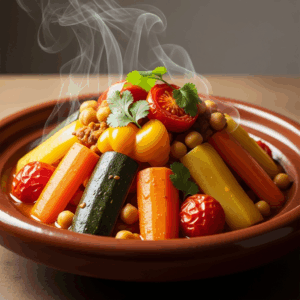
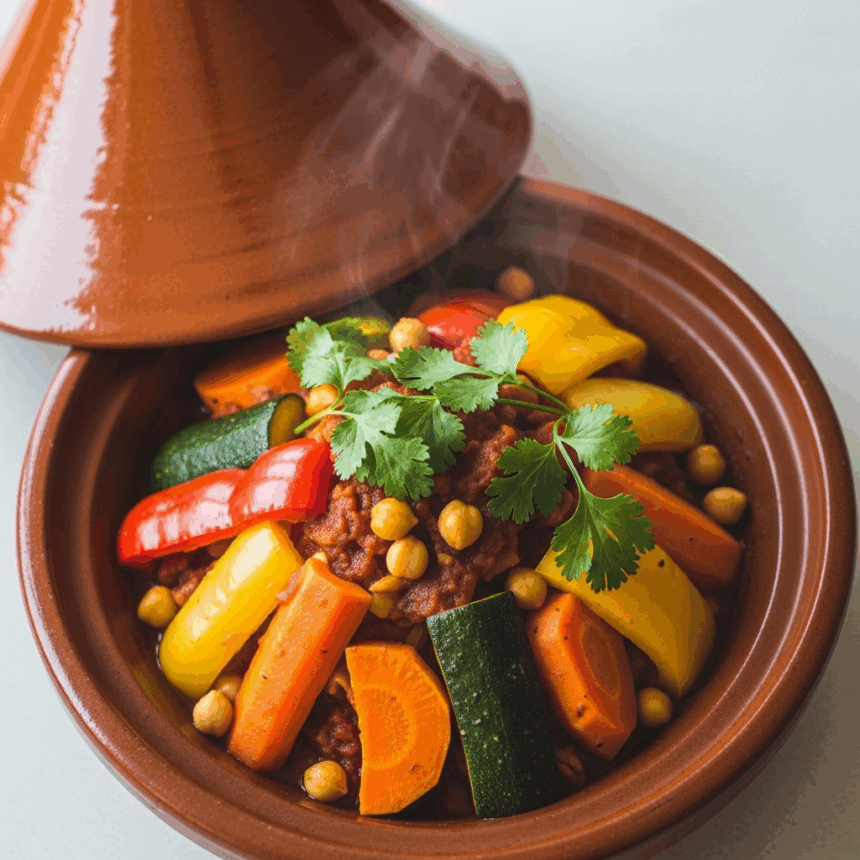
In the heart of North African kitchens simmers a dish that is as rich in history as it is in flavor-a vibrant party of vegetables and spices known as vegetable tagine. More then just a meal, this aromatic stew invites you on a sensory journey through sun-drenched markets, fragrant spice bazaars, and time-honored traditions passed down through generations. “Savoring Spice: A Vibrant Journey into Vegetable Tagine” unfolds the layered story behind this beloved dish, exploring the delicate balance of ingredients and the artful slow-cooking technique that transforms humble vegetables into a tapestry of taste. Join us as we delve into the magic that makes vegetable tagine a timeless symbol of warmth, culture, and the irresistible power of spice.
Exploring the aromatic Symphony of Traditional Spices in Vegetable Tagine
Savoring spice is an immersive experience, especially when crafting a vegetable tagine that bursts with layers of flavor and fragrant warmth. Rooted in North African culinary traditions, vegetable tagine is a dish that transforms humble ingredients through a careful balance of exotic spices and slow-cooked tenderness. From the first whiff of ground cumin and cinnamon to the subtle hint of smoked paprika, each spice plays a vital role in weaving an aromatic symphony that awakens the senses and nourishes the soul.
Selecting the Freshest Ingredients to Elevate Your tagine Experience
at the heart of any outstanding vegetable tagine lies the quality of its ingredients. Opt for the freshest seasonal vegetables: vibrant carrots, succulent eggplants, tender zucchini, and juicy tomatoes that retain their natural sweetness and texture through slow cooking. Fresh garlic cloves and sharp ginger roots add depth to the base, while a handful of preserved lemons introduces a unique citrus brightness. For herbs, fragrant fresh cilantro and parsley are essential garnishes that lift the dish’s flavor profile. Choose organic whenever possible to maximize freshness and eco-consciousness.
Mastering the Slow-Cooking Technique for Rich and Layered flavors
Vegetable tagine is a celebration of patience. using a traditional earthenware tagine or a heavy-bottomed pot, the secret to deep, layered flavors lies in gently coaxing the vegetables and spices together over low heat. Start by sautéing onions and garlic in a drizzle of olive oil until translucent and fragrant. Add your spices in stages-first the dry blend with cumin, coriander, turmeric, and cinnamon to toast and bloom their oils, then the chopped vegetables and liquids like broth or tomato sauce. Cover tightly and let it simmer slowly, stirring occasionally, until the vegetables are tender yet intact and the sauce becomes thick and velvety. This gradual melding of flavors elevates the humble vegetable into a dish of rich complexity.
Pairing Vegetable Tagine with Complementary Sides and Beverages
To fully honor the vibrant layers of your vegetable tagine, pair it thoughtfully with complementary sides and beverages. Fluffy couscous or aromatic herbed quinoa provide a light, textured base that soaks up the savory sauce. Serve alongside warm, soft pita bread or traditional Khobz to create inviting scoops of mingled flavors. For beverages, chilled mint tea enhances the dish’s Mediterranean roots and refreshes the palate. Alternatively, a crisp, citrusy white wine like a Sauvignon Blanc or a dry rosé beautifully balances the tagine’s earthy sweetness, elevating your meal into a complete sensory journey.
Prep and Cook Time
- Readiness: 25 minutes
- Cooking: 1 hour 15 minutes
- Total: 1 hour 40 minutes
Yield
Serves 6 generously
difficulty Level
Medium – Ideal for home cooks eager to explore slow-cooked flavors and spice layering
Ingredients
- 3 tbsp olive oil
- 2 medium onions, thinly sliced
- 4 garlic cloves, minced
- 1 tbsp fresh ginger, grated
- 2 tsp ground cumin
- 1 tsp ground coriander
- 1 tsp turmeric powder
- ½ tsp cinnamon
- 1 tsp smoked paprika
- 3 medium carrots, cut into thick sticks
- 2 zucchinis, sliced into half-moons
- 1 medium eggplant, diced
- 3 medium tomatoes, chopped
- 1 preserved lemon, pulp removed, rind finely chopped
- 1 cup vegetable broth
- Salt and black pepper, to taste
- Fresh cilantro and parsley, chopped for garnish
- 1 cup cooked chickpeas (optional, adds protein)
Instructions
- Heat olive oil in a tagine or heavy-bottomed pot over medium heat.add sliced onions and sauté until soft and translucent, about 7 minutes.
- Stir in garlic and ginger and cook for 1 more minute until fragrant but not browned.
- Add the spices – cumin, coriander, turmeric, cinnamon, and smoked paprika. Toast the mixture for 2 minutes,stirring to ensure even coating and release of aromatic oils.
- Incorporate chopped carrots, eggplant, and zucchini, mixing well so they are coated with the spice and onion blend.Cook for 5 minutes, stirring occasionally.
- Pour in the tomatoes, vegetable broth, and preserved lemon rind. Season with salt and pepper.Stir gently to combine all ingredients evenly.
- Cover the pot with the lid and reduce heat to low. Let the tagine simmer slowly for 50-60 minutes, stirring halfway through to check tenderness and avoid sticking at the bottom.
- If using chickpeas,add them in the last 10 minutes of cooking to warm through.
- Once vegetables are tender and sauce is thickened to your liking, remove from heat.
- Garnish liberally with fresh chopped cilantro and parsley before serving.
Chef’s Notes
- For a vibrant twist, swap eggplant for sweet potatoes or butternut squash in autumn.
- Use a combination of fresh and dried spices to balance intensity and earthiness.
- Make ahead tip: tagine flavors deepen even more when rested overnight and gently reheated.
- If you lack a tagine, a Dutch oven or heavy casserole dish works excellently.
- Adjust broth quantity to achieve your preferred sauce consistency-thicker for a stew-like feel or lighter for a juicy tagine.
serving Suggestions
Serve this vegetable tagine warm over a bed of fluffy couscous or quinoa, garnished with toasted slivered almonds and a drizzle of olive oil. Pair with warm pita or flatbread to scoop up every flavorful morsel.A generous squeeze of fresh lemon juice brightens the dish just before eating. To complete the meal, offer a cooling yogurt dip infused with mint or cucumber for contrast.



For a celebratory touch, present your tagine in the cooking vessel itself, inviting guests to dive into the aromatic bounty.
| Nutrient | Amount per Serving |
|---|---|
| Calories | 220 kcal |
| Protein | 6 g |
| Carbohydrates | 34 g |
| Fat | 7 g |

Discover more vibrant recipes that bring spices to life in your kitchen by exploring our Mediterranean Spiced Vegetable Couscous.for an in-depth guide on traditional spice blends and their health benefits, visit BBC Good Food’s spice guide.
Q&A
Q&A: Savoring Spice – A Vibrant Journey into Vegetable Tagine
Q1: what exactly is a vegetable tagine?
A1: A vegetable tagine is a slow-cooked North African stew, traditionally prepared in a unique conical clay pot called a tagine. It’s a fragrant and colorful medley of vegetables, spices, and sometimes dried fruits, simmered gently to create a dish that’s both hearty and herbaceous.This dish celebrates the beauty of humble ingredients transformed by time, spice, and technique into a vibrant culinary masterpiece.Q2: Where does the tagine originate from, and why is it so special?
A2: The tagine originates from Morocco and the broader Maghreb region of North Africa. It’s more than just a pot-it’s a symbol of communal dining and rich cultural heritage.The tagine’s conical lid traps steam and returns condensed liquids to the dish, allowing flavors to deepen without losing moisture. This method makes each bite intensely aromatic, tender, and infused with a warm spice symphony.
Q3: What spices bring vegetable tagine to life?
A3: The spice palette of a vegetable tagine is a fragrant mosaic-cumin, coriander, cinnamon, turmeric, ginger, and sometimes a touch of saffron. These spices mingle with fresh herbs like cilantro and parsley, as well as the natural sweetness of vegetables and dried apricots or raisins, creating layers of earthy warmth and subtle sweetness that dance on the palate.
Q4: Which vegetables are commonly used in a traditional vegetable tagine?
A4: Root vegetables like carrots and sweet potatoes often form the base, complemented by tender zucchini, bell peppers, tomatoes, and sometimes chickpeas for an added protein punch. Seasonal vegetables can be embraced too, giving the dish an adaptable, rustic charm that evolves with the harvest.Q5: Can a tagine be made without the traditional pot?
A5: Absolutely! While the tagine pot imparts authentic texture and flavor, any heavy-bottomed, lidded casserole or dutch oven can mimic the slow-cooking magic. The key is low heat and patient simmering, which coax out the harmonious blend of spices and soften the vegetables to melting perfection.
Q6: What makes vegetable tagine a dish for all seasons?
A6: Its versatility is what makes vegetable tagine truly timeless. In spring and summer, lighter vegetables like zucchini and green beans shine; in autumn and winter, heartier, sweeter root vegetables make the dish cozy and comforting. The spices add warmth in cold months yet are light enough not to weigh down during warmer days, making the tagine a year-round jewel.
Q7: How can one serve and enjoy vegetable tagine to the fullest?
A7: Traditionally, vegetable tagine is served with fluffy couscous to soak up the spiced broth, alongside crusty bread for dipping. Garnish with fresh herbs and a drizzle of olive oil to elevate the flavors. Sharing the dish family-style enhances the communal spirit of the tagine experience-an invitation to savor spice and friendship in equal measure.
Q8: What nutritional benefits does vegetable tagine offer?
A8: Rich in fiber, vitamins, and antioxidants from its fresh vegetables and herbs, vegetable tagine is a nourishing choice. The use of spices like turmeric and ginger also contributes anti-inflammatory properties. It’s a heart-healthy, plant-powered meal that doesn’t compromise on flavor or soul.
Q9: Can vegetable tagine be adapted for dietary restrictions?
A9: Definitely! It’s naturally vegan and gluten-free when served with gluten-free grains. You can adjust the spice heat or swap vegetables to suit your tastes and dietary needs, making it a universally welcoming dish that invites endless creativity.
Q10: What’s the best way to embark on your own vibrant journey into vegetable tagine?
A10: Begin with quality fresh vegetables,a fragrant spice blend,and patience for slow cooking. Embrace the process as a ritual-a dance of aromas and colors that nourish both the body and spirit. Whether you’re a curious beginner or a seasoned cook, vegetable tagine offers a richly rewarding journey into the heart of North African cuisine and the art of savoring spice.
In Retrospect
As the final notes of cinnamon and cumin linger on your palate, the vibrant symphony of the vegetable tagine leaves an indelible mark-reminding us that cooking is more than nourishment; it is storytelling in fragrant, colorful layers. this timeless dish invites us to slow down, savor each spice-kissed morsel, and celebrate the rich tapestry of North African culinary heritage. Whether shared around a bustling table or prepared quietly at home,the vegetable tagine is a delicious journey-a warm embrace of tradition,flavor,and the simple joy of eating well. So next time you seek comfort in a bowl, let the vibrant hues and aromatic depths of this beloved stew transport you to a world where every bite is an adventure.