in the bustling streets of Indonesia, where vibrant aromas weave through the air and every meal tells a story, one dish reigns supreme: Nasi Goreng. More than just fried rice, this iconic culinary treasure is a symphony of flavors, colors, and traditions that captures the heart of Indonesian culture. From humble street stalls to elegant dining tables, Nasi Goreng enchants with its smoky char, rich spices, and endless variations. Join us as we embark on a flavorful journey to explore the origins, ingredients, and cultural significance of Indonesia’s beloved fried rice delight-a dish that is as diverse and dynamic as the archipelago itself.
Nasi Goreng is more than just a dish in Indonesian kitchens; it embodies the soul of Indonesia’s rich culinary heritage. This iconic fried rice delight carries layers of tradition, aromas, and vibrant flavors that evoke warm memories of bustling street vendors and festive family dinners. As you dive into this recipe, you’ll discover the perfect balance of sweet, savory, and smoky notes, all coming together in a harmonious dance that defines authentic Indonesian comfort food.
Prep and Cook Time
Readiness: 15 minutes
Cooking: 20 minutes
Total Time: 35 minutes
Yield
Serves 4 hearty portions
Difficulty Level
Medium - Ideal for cooks ready to explore bold flavors and traditional techniques
Ingredients
- 3 cups cooked and chilled jasmine rice (preferably day-old)
- 2 tablespoons vegetable oil
- 3 cloves garlic, finely minced
- 2 shallots, thinly sliced
- 2 bird’s eye chilies, finely chopped (adjust to taste)
- 150g chicken breast, diced
- 100g peeled shrimp (optional)
- 2 tablespoons kecap manis (sweet Indonesian soy sauce)
- 1 tablespoon light soy sauce
- 1 teaspoon shrimp paste (terasi), toasted and mashed
- 1 teaspoon ground white pepper
- 2 eggs, lightly beaten
- 2 spring onions, sliced for garnish
- 1 small cucumber, thinly sliced for serving
- Pickled shallots or acar (Indonesian pickled vegetables) to serve
- 1 lime, cut into wedges
Instructions
- Warm your wok or large skillet over medium-high heat and add the vegetable oil, swirling to coat every surface.
- Sauté the aromatics: Add minced garlic, sliced shallots, and chopped chilies.Stir for about 2 minutes until fragrant and slightly golden.
- Incorporate proteins: Add diced chicken and shrimp, cooking until opaque and no longer pink, roughly 4-5 minutes.
- Push ingredients aside, then pour beaten eggs into the cleared space in the wok. Gently scramble until just set, then mix with the rest.
- Add the sauces: Drizzle in the kecap manis,light soy sauce,and mashed shrimp paste. Stir thoroughly to coat every grain of rice.
- Fold in the rice: Break up the chilled jasmine rice with your fingers and add it to the wok. Toss carefully but quickly to avoid clumping, ensuring the rice heats evenly.
- Season with pepper, then cook for an additional 5 minutes, stirring occasionally to develop a slight smoky char (wok hei) that characterizes authentic nasi goreng.
- Remove from heat, garnish with fresh spring onions and a squeeze of lime.
Tips for Success
- Using day-old rice is key-it’s drier and separates better,preventing mushy nasi goreng.
- Adjust bird’s eye chilies to your preferred spice level; balancing heat with the sweetness of kecap manis is essential.
- Shrimp paste (terasi) can be toasted in a dry pan beforehand to reduce its pungency and unlock rich umami notes.
- For vegetarians, swap out proteins for firm tofu and add sliced mushrooms for depth.
- If you crave more texture, add roasted peanuts or crispy shallots as a final sprinkle.
- Make-ahead tip: Prepare fried rice up to step 6, cool, refrigerate, and finish cooking fresh when ready.
Serving Suggestions
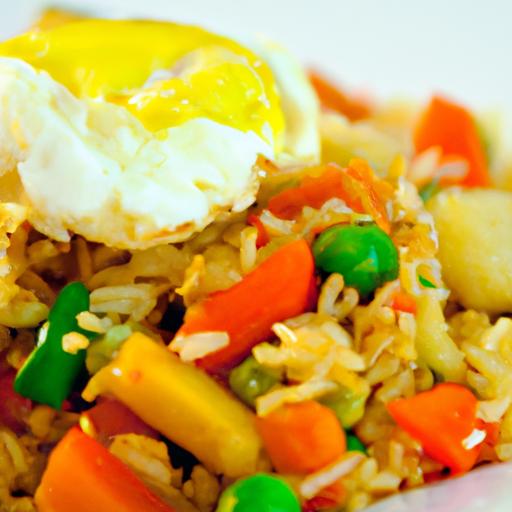
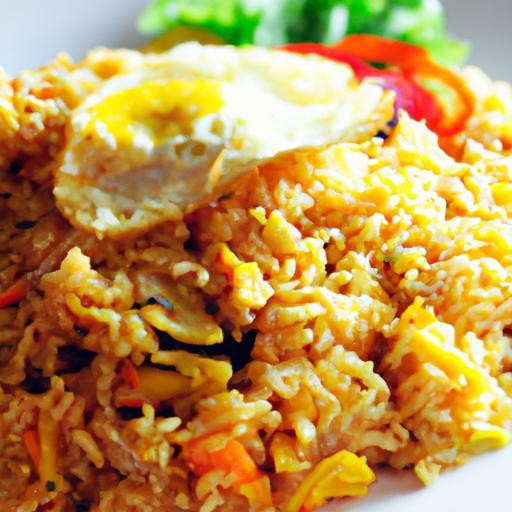
Traditionally plated with thinly sliced cucumber,a wedge of lime,and a side of acar or pickled shallots,nasi goreng is a feast for the senses. Top your dish with a fried egg (telur ceplok) - runny yolk melting into the fragrant rice adds lusciousness. For an authentic street-style experience, pair with kerupuk (Indonesian crackers) to add crunch. This dish shines best when enjoyed freshly hot, accompanied by a crisp iced jasmine tea.

| Nutrition (per serving) | Amount |
|---|---|
| calories | 450 kcal |
| Protein | 27g |
| carbohydrates | 55g |
| Fat | 10g |
Top Regional Variations of Nasi Goreng to Explore
Across Indonesia’s vast archipelago, nasi goreng takes on colorful regional personalities. Nasi Goreng Jawa offers a spicier kick with extra turmeric and sambal, while Nasi Goreng Padang incorporates rich beef rendang flavors. Coastal regions frequently enough favor seafood additions like squid or crab, layered with fresh herbs and grated coconut. Exploring these variants will expand your culinary horizons and deepen your appreciation for this versatile fried rice.
For a closer look at Indonesian cooking techniques, check out our guide to making sambal, a fiery chili sauce that perfectly complements nasi goreng’s flavors.



To learn more about Indonesia’s food culture and history, visit the authoritative Indonesia Travel official site.
Q&A
Q&A: Nasi Goreng – Exploring Indonesia’s Iconic Fried Rice Delight
Q1: What exactly is Nasi Goreng?
A1: Nasi Goreng, literally meaning “fried rice” in Indonesian, is much more than just rice stir-fried with a few ingredients. It’s a flavorful,aromatic dish that embodies the soul of Indonesian street food.Usually made with day-old rice,it’s stir-fried with a symphony of spices,sweet soy sauce (kecap manis),garlic,shallots,and chili,then topped with a fried egg and ofen accompanied by prawns,chicken,or vegetables.Q2: Why is Nasi Goreng considered Indonesia’s national dish?
A2: Nasi Goreng is woven deeply into Indonesian culture – it’s a comfort food, a quick meal, and a celebration of local flavors all in one. Its popularity spans from humble street stalls to high-end restaurants, making it a beloved staple across the archipelago. Its unique combination of smoky,sweet,spicy,and savory notes perfectly represents Indonesia’s rich culinary tapestry.Q3: How did Nasi Goreng originate?
A3: While fried rice itself originated in China, Indonesians have made Nasi Goreng their own by infusing indigenous ingredients and cooking styles. Historically,it was a practical way to make use of leftover rice and ingredients,but over time it evolved into a treasured dish with countless regional variations reflecting the diversity of Indonesia’s islands.
Q4: What makes Indonesian Nasi Goreng different from other fried rice dishes?
A4: the heart of Indonesian Nasi Goreng lies in its unique seasoning blend. Kecap manis, a thick, sweet soy sauce, imparts a caramelized, savory sweetness that’s absent in most other fried rice recipes. The use of sambal (chili paste) adds a fiery kick, and the dish often features a crispy fried egg on top, creating a delightful texture contrast.Q5: Can Nasi Goreng be customized to suit different tastes?
A5: Absolutely! One of the wonders of Nasi Goreng is its versatility. From the protein you choose-shrimp, chicken, beef, or tofu-to the level of spiciness and choice of vegetables, each cook can tailor it to their liking. Regional varieties might include ingredients like smoked duck, anchovies, or even exotic spices, offering an endless playground of flavors.
Q6: how can beginners make authentic Nasi Goreng at home?
A6: Start with cold, day-old jasmine or long-grain rice for the best texture. The key is in the paste: blend shallots, garlic, chilies, and shrimp paste (terasi) to create a fragrant base.Stir-fry this with kecap manis and your choice of proteins and vegetables, then top it all with a perfectly fried sunny-side-up egg. Balance sweet, salty, and spicy flavors to capture that signature taste.
Q7: Where can travelers experience the best Nasi Goreng in Indonesia?
A7: Every corner of Indonesia offers its own spin on Nasi Goreng. Jakarta’s street vendors serve it fast and fiery, while yogyakarta presents versions with traditional Javanese spices. In Bali, you’ll find it paired with fresh seafood. The best advice? Explore local warungs (small eateries) and night markets-where the heart of Nasi goreng truly shines.
Q8: Why has Nasi Goreng gained international popularity?
A8: Nasi Goreng’s irresistible flavor combo and comforting nature have won food lovers worldwide. It’s an approachable entry point into indonesian cuisine, offering layers of flavor without intimidating complexity. As global palates seek bold yet balanced dishes, Nasi Goreng stands out as a flavorful ambassador of Indonesia’s rich culinary heritage.
From humble leftovers to a national treasure, nasi Goreng invites everyone to savor the vibrant flavors of Indonesia in a single, satisfying dish. Whether enjoyed on a bustling street corner or cooked at home, its story is one of creativity, culture, and the global joy of sharing food.
Concluding Remarks
As the final grains of Nasi Goreng settle on your plate, it’s clear that this iconic Indonesian dish is more than just fried rice-it’s a vibrant tapestry of culture, history, and flavor. Every spoonful tells a story of bustling street vendors, aromatic spices, and the timeless art of balancing simplicity with boldness. Whether enjoyed in a humble warung or recreated in your own kitchen, Nasi goreng invites you to savor the soul of Indonesia, one flavorful bite at a time.So next time you crave a meal that’s both comforting and adventurous, remember: with Nasi Goreng, you’re not just eating rice-you’re tasting a nation.